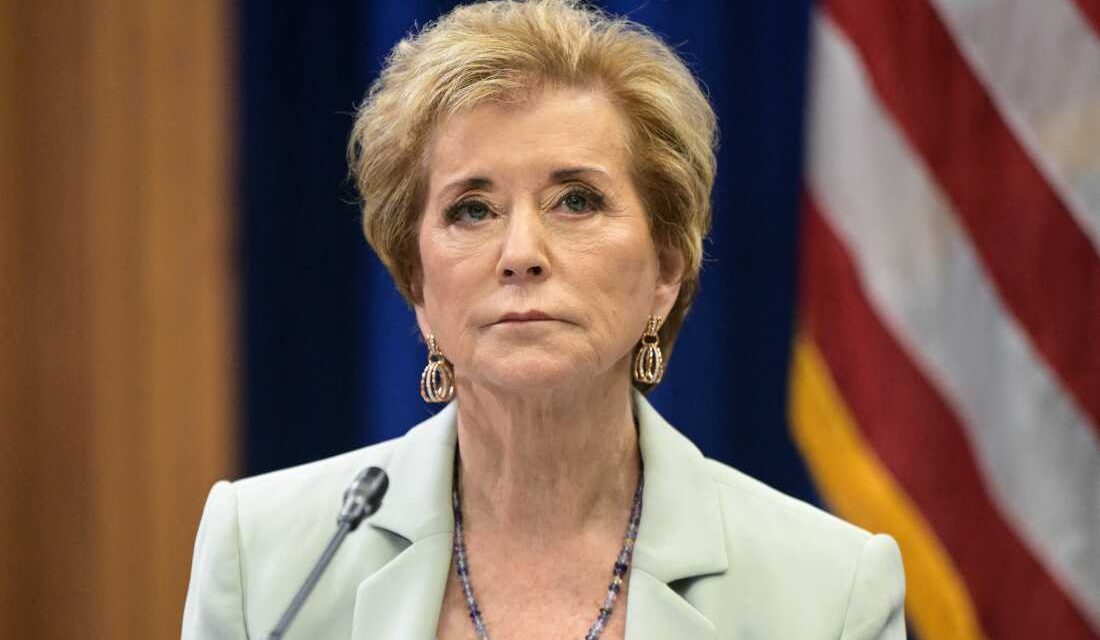
The ongoing lawsuit has spanned the terms of three different education secretaries, moving from Sweet v. DeVos in 2019, to Sweet v. Cardona under President Biden, and now Sweet v. McMahon for Secretary Linda McMahon. This protracted legal struggle aims to resolve the debts of nearly half a million federal student loan borrowers who allege they were defrauded by their colleges following a recent court ruling.
Initially filed against the Trump administration seven years ago, the class-action suit focuses on ‘borrower defense’. This federal rule allows students to request debt cancellation from the U.S. Education Department if their school misrepresented essential facts like job prospects or eligibility for transfers.
During President Trump’s first term, many students had their claims stalled by the Education Department, under former Secretary Betsy DeVos. Students felt their claims were unjustly denied without a merits review, which led to the lawsuit. Over time, the case has been named after three education secretaries due to its duration.
“The settlement has impacted over 450,000 individuals, reducing their debts by over $23 billion,” said Eileen Connor, Executive Director of the Project on Predatory Student Lending (PPSL). When fully implemented, the Sweet settlement is anticipated to be the largest of its kind against the U.S. government.
Reasons Behind the Prolonged Legal Struggle
In a landmark agreement in 2022, the Biden administration committed to the settlement. It mandated that borrowers from over 150 mostly for-profit colleges receive total relief. Additionally, more than 250,000 additional borrowers were given the opportunity to apply for relief during a limited period after the settlement.
The Education Department was tasked with reviewing these new claims promptly. However, the second Trump administration disclosed that only 60,000 applications had been processed by the set deadline. Despite the Department’s appeal for an extension, the U.S. Court of Appeals for the Ninth Circuit ruled on July 17 that the terms were evident from the beginning.
Education Department spokesperson Ellen Keast called the imposed timeline unrealistic, asserting the Department’s compliance with court directives and expressing disappointment at the court’s decision not to accommodate their request.
Impact on Student Borrowers
Jessica Feindt, one of the borrowers, has awaited relief for years. Based near Flint, Michigan, she pursued an undergraduate degree in psychology at the University of Phoenix, spurred by widespread advertising. She funded her education through federal loans, yet found her degree unrecognized by intended Michigan graduate programs due to misinformation from recruiters.
Since filing her borrower defense claim in 2022, many borrowers have received discharges or refunds totaling $12 billion. However, the July ruling is expected to increase this amount. Eileen Connor compared this significant case to the Big Tobacco settlement, noting the toxic nature of these student loans.
Recently, Feindt saw her loan balance reduced to zero on her federal student loan account, a result of the developments in this case. Despite this, she reflects on the years of financial struggle endured by her family.
 The Financial Expectations on Universities: A Parental Perspective
 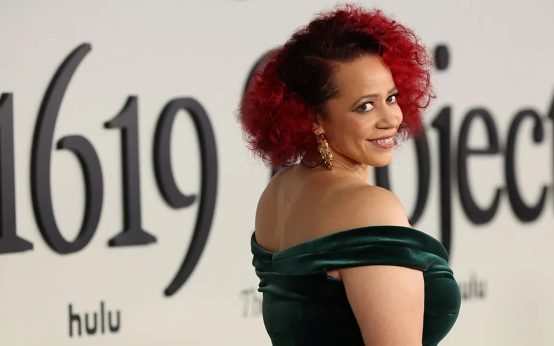 Nikole Hannah-Jones Reflects on Educational Choices for Her Daughter
 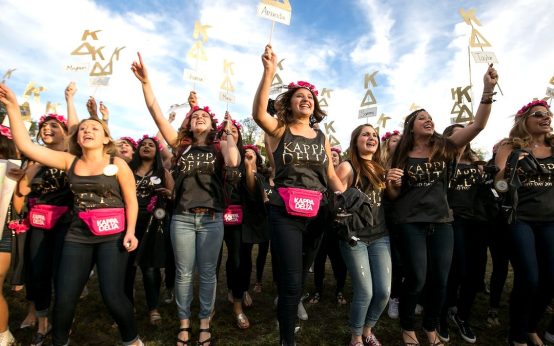 The Rising Trend of GLP-1 Medications Among College Students
  Seton Hall National Security Graduate Fellowship Provides Hands-On Experience
 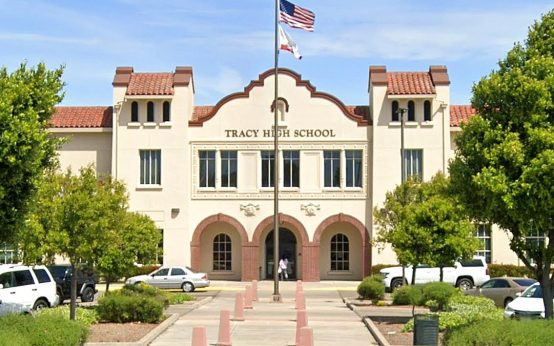 California High School Coach Arrested Over Secret Recording in Locker Room
  Student’s Coffee Incident Sparks Policy Review in New York School