
The Mediterranean as known to our ancestors is vanishing. Climate change, primarily driven by burning fossil fuels, is causing the Mediterranean Sea to heat up. This warming invites hundreds of new and invasive fish species that threaten native populations. As biodiversity declines, coastal communities face challenges in maintaining their traditional livelihoods.
Marine biologist Ernesto Azzuro of Italy’s National Research Council highlights the irreversible changes. “The Mediterranean of the past, of ancient Greece, is lost forever,” he notes.
Increased Temperatures in an Enclosed Basin
The Mediterranean is considered a climate change “hot spot.” Its waters may warm by 2 to 6 degrees Celsius (3.6 to 10.8 degrees Fahrenheit) by 2100, leading to more frequent and intense heat waves. This projection comes from the Mediterranean Experts on Climate and Environmental Change. Oceanographer Ronan McAdam from the Euro-Mediterranean Center on Climate Change emphasizes that the sea’s enclosed nature prevents warmth from dissipating as it does in larger oceans.
Threat of Invasive Species
Warming waters create an attractive environment for invasive species like the spotted puffer fish, described as the “worst invader” by Azzuro. These species are moving toward France and Spain, initially entering the Mediterranean through the Suez Canal. According to the U.N. General Fisheries Commission for the Mediterranean, invasive species have existed for decades, but their spread accelerated after the early 2000s as sea temperatures rose. For instance, the lionfish was first seen in the eastern Mediterranean in 2012 and has expanded rapidly westward.
Cyprus, close to the Suez Canal, first experienced the impact of these invasive fish. Indigenous stocks like red mullet have decreased, much to the dismay of local fishers. Rabbitfish also pose a threat by consuming algae, impacting habitats crucial for native fauna.
Urgent Need for Action
Piero Genovesi Papik, a zoologist with Italy’s Higher Institute for Environmental Protection and Research, states the urgency for reducing fossil fuel use globally. While solutions are known, they require worldwide coordination.
Extensive Spread of Invasive Species
Azzuro reports approximately 1,000 invasive species have been identified in the Mediterranean, with 800 firmly established. The changes are significant, such as the 93% loss of mollusks in the eastern Mediterranean. Mussels have nearly vanished along the Adriatic coast, dying when sea temperatures exceed 30 degrees Celsius (86 degrees Fahrenheit).
In response, Azzuro’s institute launched the “Beware of those four” campaign to raise awareness of the health risks posed by invasive species. For example, puffer fish are toxic, while lionfish possess poisonous spikes.
Mitigation Strategies
Experts agree reversing the spread of invasive species is unfeasible. However, coastal communities can adapt by commercializing edible invasive species or paying fishers to remove inedible ones like puffer fish for disposal. Some species, such as lionfish, hold economic value and fetch high prices.
Preventing further migration involves enforcing treaties requiring ballast water treatment on incoming ships that could harbor invasive species. Papik suggests treatment could reduce new alien species by 95 to 99%. Another method includes applying special hull paint to deter unwelcome organisms. Amended fishing policies aim to help native species recover. These might involve nurturing mollusks less vulnerable to threats like the alien blue crab.
Looking ahead, Papik states, “The challenge will be to restore, to find new ways to restore the environment.”
 How Battery Innovations Transform Renewable Energy
  Data Centers Stir Controversy in Texas Amid Growth Boom
 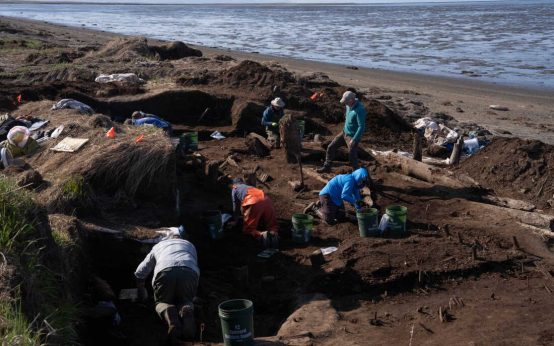 Urgent Archaeological Efforts in Quinhagak Stay Ahead of Erosion
 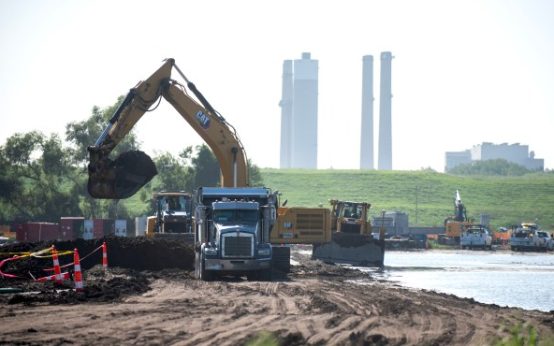 Concerns Rise Over NIPSCO Permit In Jasper County
  Reader Reactions on Grizzlies and Data Centers
 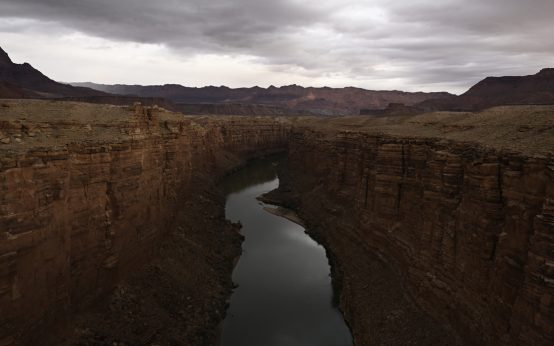 Managing the Crisis of Drying Rivers