
Redistricting threatens representation. Voting protections erode. Rights, seen as settled for decades, now appear uncertain. This stems from a decision in 1964, choosing emotion over structural change. The civil rights movement achieved significant successes through moral influence and legislation. The Civil Rights Act of 1964 and the Voting Rights Act of 1965 were legislative victories, not constitutional ones. Laws passed by Congress can be limited, repealed, or allowed to lapse. The movement found moral ground but not constitutional stability.
Women’s rights advocates perceived this risk early. The Equal Rights Amendment, introduced in 1923 and passed by Congress in 1972, aimed for constitutional reinforcement but remains unratified. Groups benefiting from statutory vulnerability blocked and continue to block it. The distinction is crucial, as it now unravels. The Shelby County v. Holder ruling removed the Voting Rights Act’s enforcement, while redistricting is manipulated to maximize power before demographic shifts make it impossible.
Protected classes exist through statutory means, not constitutional amendments. As legislative choices change, so do these protections. The 14th Amendment granted citizenship to former slaves but not voting rights or protections from discrimination. These came from Congress. The 1960s Warren Court upheld these protections, but subsequent courts have narrowed interpretations. The Roberts Court, in 2013, dismantled the Voting Rights Act’s oversight, halting federal intervention in discriminatory voting changes. Statutory rights change meaning with each court’s interpretation.
Voting rights, civil rights, and others like the Americans with Disabilities Act, marriage equality, reproductive rights, and women’s workplace protections rely on statutes. These persist only as long as courts and legislatures choose to uphold them. The vulnerability is universal, affecting protections you support or oppose. Both political parties manipulate this instability for gain yet avoid constitutionalizing these protections. They reinforce voter dependency on elections and court decisions instead of securing rights permanently.
Both parties have neglected constitutional amendments, despite vocal disputes over rights. This inaction maintains a system of fear and uncertainty. Voters hear the call: support us, or risk losing rights. However, they are rarely told that these rights are statutory, not constitutional, and easily challenged in court.
A constitutional amendment would secure these rights against manipulation. However, neither party pursues this because it would remove political leverage. The Framers included Article Five in the Constitution to allow amendments for deeply rooted change. This requires supermajority consensus and state approval, designed for moments like this. Yet, many Americans remain unaware of Article Five’s existence.
Over two centuries after the nation’s founding, this should no longer be acceptable. The decision made in 1964 cannot be undone, but the decision today is whether to choose the path not taken then. The Framers provided the means. The political parties are aware. The question is if the American people will demand permanence through constitutional amendments.
Yvonne Renée Davis, MS, MA, PC, is the founder, president, and CEO of DAVISIntelligence, a strategic communications and crisis advisory firm. A presidential appointee under former President George W. Bush and U.S. Department of State communications trainer, she has worked across 68 countries and three presidential administrations.
Copyright 2026 Nexstar Media Inc. All rights reserved. This material may not be published, broadcast, rewritten, or redistributed.
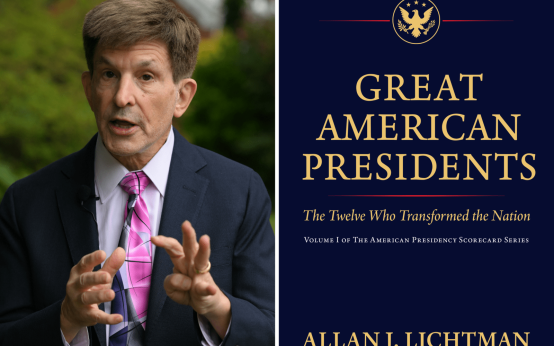 Allan Lichtman’s Framework for Assessing Presidential Greatness
 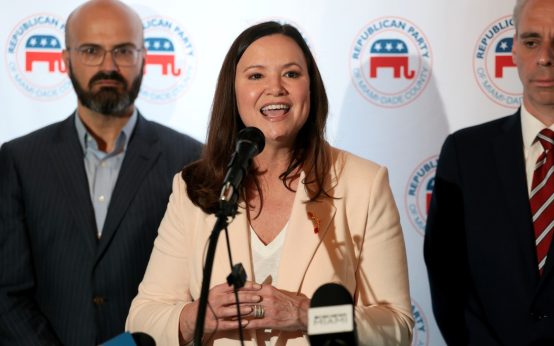 Florida Senate Race Tightens as Recent Polls Show Dead Heat
  Ethics Complaint Targets Colorado Representative Lauren Boebert
 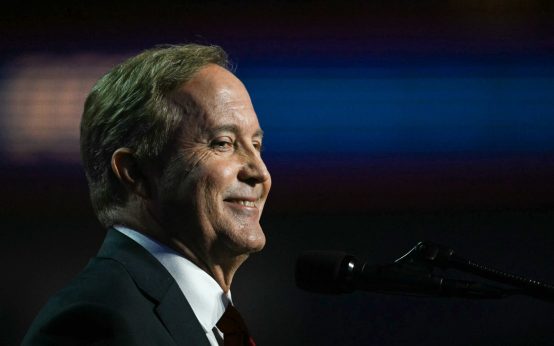 Ken Paxton’s Campaign Funding and Polls
  Inside the Secret Deals Powering the President’s Push to Deport Migrants to Countries Not Their Own
  Independence of Research from Political Agendas