
Ukrainian forces recently targeted two of Russia’s largest oil refineries, escalating long-range strikes as part of increased military and economic pressure on Moscow. Kyiv’s frequent use of domestically developed drones and missiles has disrupted Russian oil facilities for months, creating a fuel crisis that poses a challenge to the Kremlin four years into Russia’s invasion of Ukraine.
The latest attacks ignited fires at a Lukoil refinery in Russia’s Perm region, approximately 1,500 kilometers from Ukraine, and another refinery in Ryazan, around 400 kilometers from the border, according to Ukraine’s Security Service and General Staff. These facilities collectively produce about 220 million barrels of oil annually, playing a crucial role in Russia’s military and revenue streams. While independent verification remains pending, Ryazan’s governor, Pavel Malkov, disclosed that six individuals were hospitalized following a drone attack, with fires breaking out at unspecified industrial locations.
Amidst these developments, Ukraine has also targeted Russian online retailer Wildberries, resulting in the evacuation of its Ryazan facility. Russia’s considerable air defenses struggle to comprehensively protect its vast territory, highlighting vulnerabilities that Ukraine seeks to exploit.
This activity coincided with Ukrainian President Volodymyr Zelenskyy’s visit to Washington for discussions with U.S. President Donald Trump. Zelenskyy emphasized the need to persist with economic and military pressure to end the war. Ukraine’s recent successful operations against Russia have restored U.S. support, which was initially met with hesitation by Trump. The bilateral discussions also involved a meeting with over 60 U.S. senators and representatives from defense manufacturers like Lockheed Martin and Raytheon to discuss further sanctions and military support.
Advancements in Ukraine’s drone technology have impressed many nations, showcasing their potential to provide smaller forces with strategic advantages. Matthew Whitaker, U.S. Ambassador to NATO, recognized Ukraine’s innovative use of unmanned systems during a recent visit.
Despite ongoing diplomatic efforts for resolution, prospects for ceasing hostilities remain uncertain. However, future visits by U.S. envoys, Steve Witkoff and Jared Kushner, to Kyiv are anticipated, according to sources close to the discussions. Ukrainian military leadership is focusing on expanding long-range precision strikes and bolstering defensive operations, as expressed by Maj. Gen. Mykhailo Drapatyi, who recently communicated with Gen. Alexus G. Grynkewich.
On the maritime front, Ukraine claims to have struck 201 Russian vessels in the Black Sea and Sea of Azov over three weeks, excluding those targeted by other military entities. Additional strikes occurred at a naval base used by Russia’s Black Sea fleet and various strategic sites including a radar station and a drone launch site.
Conversely, Russia reported intercepting 295 Ukrainian drones overnight in several regions and occupied Crimea. Meanwhile, Russian glide bombs have hit Kharkiv and surrounding areas, injuring 11 people, as reported by Oleh Syniehubov, head of the regional military administration.
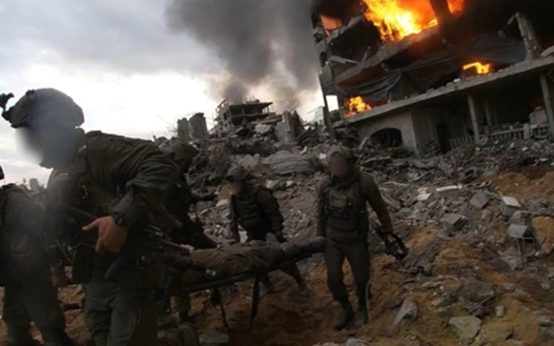 Advancements in Israeli Military Medicine Aid U.S. Efforts
  Mass Arrests in New Delhi During Protest Against Voter List Revision
 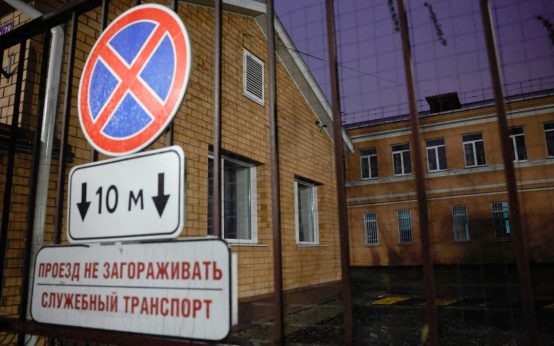 Concerns Over Russia’s Biological Weapons Programs
 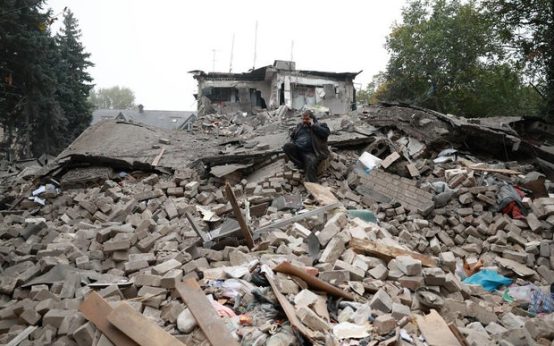 Russian Strikes Result in Casualties Amid Diesel Deal Controversy
  Cartel Dynamics Shift Amid Changing Political Landscape
  Investigating France’s Student Protests: A Web of Far-Left and Socialist Influences