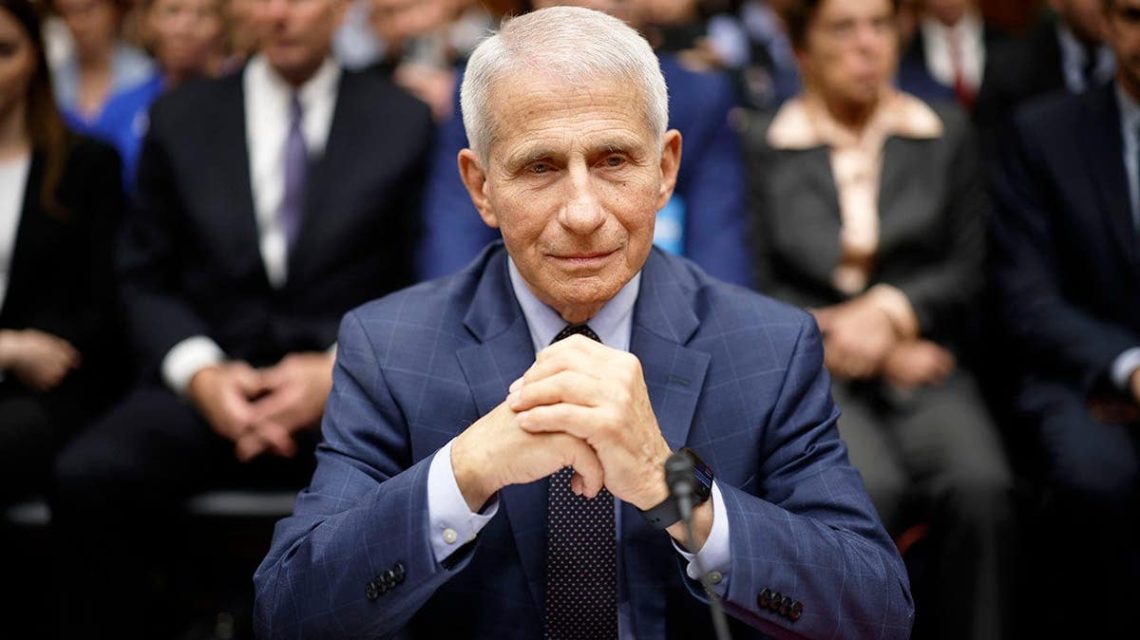
Dr. Anthony Fauci has been a central figure in communicating U.S. COVID-19 policy under two administrations. Sen. Rand Paul, R-Ky., argues that one thing lacking from Fauci’s public statements is an apology.
Paul emphasizes that Fauci has never apologized for funding what he describes as ‘dangerous research in China.’ The senator believes this is a widely accepted perspective. Paul remarks, ‘I’d like to hear him say he’s sorry.’
Dr. Fauci, who previously led the National Institute of Allergy and Infectious Diseases, is scheduled to testify before the House Oversight and Accountability Committee. Paul and Fauci will confront each other in a Homeland Security and Governmental Affairs Committee hearing led by Paul.
Before the hearing, Paul revealed over 1,000 pages of Fauci’s diary, sharing his personal views on Fauci’s actions during the pandemic. Paul has been a vocal critic of Fauci since the pandemic started, accusing him of funding research in China which he claims contributed to the outbreak.
Fauci left his role at the National Institutes of Health in 2022. Despite stepping down, he remains a point of critique for Paul. Paul suggests an apology from Fauci would favor his position at the hearing, stating, ‘No one’s ever heard an apology from him.’ The senator suggests Fauci always defends his actions without acknowledging any mistakes.
Paul has even asserted that Fauci should face imprisonment for his alleged role in funding gain-of-function research, which he warns is not covered by a presumed pardon from President Joe Biden.
Additionally, Dr. David Morens, Fauci’s former top advisor, faced legal trouble earlier in the year for allegedly attempting to evade public records laws and hide communications on COVID-19’s origins.
Paul has focused on gain-of-function research, which involves enhancing virus transmissibility or lethality. Fauci’s alleged involvement in such research at the Wuhan Institute of Virology has been a central point for Paul.
Paul remarks that controversial scientific pursuits, like Ron Fouchier’s 2010 H5N1 research, place the world at risk. Paul recalls that Fauci once argued the knowledge gained from such research justified the risks, a viewpoint Paul staunchly opposes.
Paul questions whether creating potentially deadly viruses is worth the risk, concluding that it is not. This remains a critical issue for debate.
 Concerns About Food Safety Reach Critical Levels
 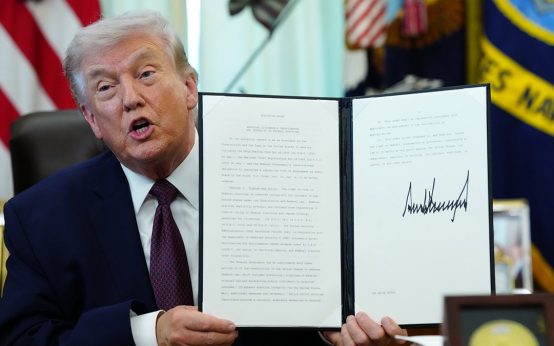 Court Blocks Trump’s Mail-Ballot Rules Ahead of Elections
 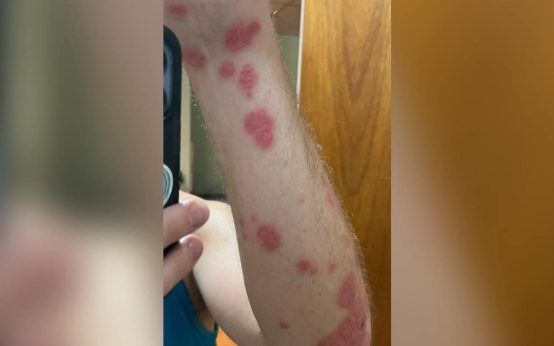 Florida Man Claims ‘Lion Diet’ Transformed Health and Life
  Concerns Over Food Safety and Its Impact on Families
  A Mother’s Tragic Journey Under Abortion Ban
  U.S. Strategic Goals Remain Unmet Amid Prolonged Conflict