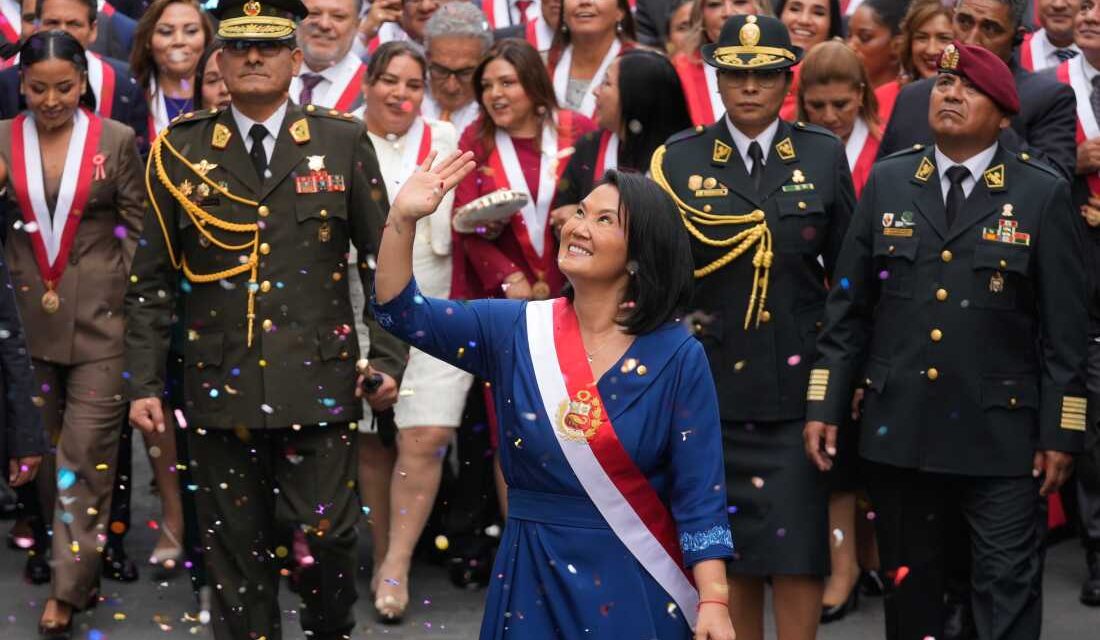
Keiko Fujimori’s Inauguration as Peru’s President
Conservative leader Keiko Fujimori has been inaugurated as Peru’s president following her win in the June presidential runoff. Her victory, marked by less than a 50,000 vote margin, indicates a regional move toward conservative politics in South America. Fujimori, who is the leader of Peru’s largest political party, assumes office as the country’s ninth president in a decade. She aims to stabilize Peru’s political landscape, tackle crime, and enhance economic prospects.
In the past ten years, Peru has seen only three presidents elected through popular vote, while others have ascended to office following resignations or removals due to corruption scandals. Fujimori’s Popular Force party, alongside its ally Popular Renovation, will control half of the senate seats, providing her a strengthened position against potential opposition attempts to oust her.
Political Background and Promises
Fujimori’s campaign focused on tackling security issues in the country, aiming to address widespread extortion rackets. She has vowed to build infrastructure by facilitating partnerships between government agencies and private investors. As the daughter of Alberto Fujimori, a former president who faced imprisonment for human rights abuses, she carries both a familial legacy and controversial history.
Her plans include fighting crime with stringent measures and constructing a megaprison similar to El Salvador’s Cecot penitentiary. Fujimori also outlined reforms to protect judges’ identities during criminal trials, a 15% minimum wage hike, and reorganization of social services to combat rural malnutrition. The military’s temporary leadership in security operations and preparation for the El Niño effects are also part of her agenda.
Fujimori asserts her goal is to address Peru’s significant social deficits impacting millions of citizens.
Opposition Concerns and Protests
Opposition leaders are pushing back against laws ratified by the previous legislature, which they argue impede efforts to address organized crime. These laws prevent preventive arrests and complicate efforts to prosecute parties involved in corruption as criminal entities. There are also calls for examining the deaths of civilians in protests from late 2022 to early 2023 that followed former President Pedro Castillo’s removal.
During Fujimori’s swearing-in ceremony, opposition protestors displayed images of those killed in the demonstrations. Families of the deceased have expressed their refusal to acknowledge Fujimori as president, staging protests against her inauguration.
Challenges in a Divided Nation
Fujimori enjoys robust support in urban areas and along Peru’s Pacific coast, whereas highland regions, with notable Indigenous populations, favor left-wing leader Roberto Sanchez. Sanchez challenged the election outcome, citing alleged voting irregularities abroad, yet electoral authorities rejected his claims.
Despite political tensions, Peru remains stable in Latin America economically, with conservative fiscal policies including low benchmark interest rates. Nevertheless, disparities persist between coastal regions and highland communities.
The electoral success of Fujimori, alongside conservative leaders in Colombia and Chile, highlights a shift in South America’s political dynamics, contrasting the leftist leadership seen in previous decades.
 Universities Should Reject Political Influence on Research Funding
 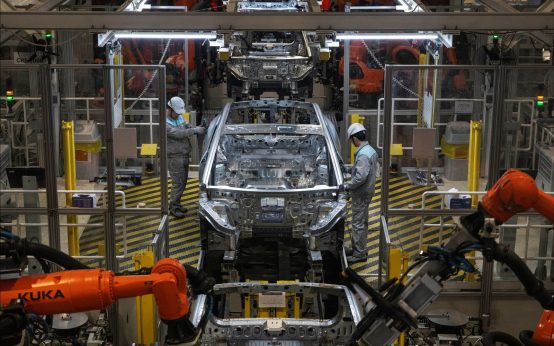 Trump’s Approach to China: Trade Dynamics and Challenges
  Media Outlets Sue After White House Ban
  American Public Opinion on Press Freedom
  Media Lawsuit Against Trump Administration for White House Ban
  The Cost of Challenging Beijing