
The Trump administration has removed Temporary Protected Status (TPS) for over 300,000 Haitians, raising concerns about deportations and worsening conditions in Haiti. This decision has also alarmed business groups fearing strain on the labor market due to loss of work-authorized employees. Last year, the administration argued that Haiti no longer met TPS conditions, and that the status was never intended to be permanent. This led to lawsuits from immigrant advocates, who claimed that Haiti remains unsafe and challenged the government’s authority to end TPS.
In June, the Supreme Court allowed the administration to proceed with ending TPS for Haitians and Syrians while legal challenges continue in lower courts, leading to TPS protections expiring. TPS helps migrants avoid deportation and provides temporary work authorization. Those not qualifying for another immigration status may face deportation. The change has caused anxiety among many Haitians in the U.S.
James Fleurijean, an administrative assistant at the Haitian Support Center in Springfield, Ohio, reported widespread fear and uncertainty among Haitian residents as TPS ended. Ohio has approximately 14,000 Haitian TPS holders, according to immigrant advocacy group FWD.us. Fleurijean highlighted that unrest in Haiti has worsened, posing risks for those returning. The center has been assisting hundreds with immigration and social issues, noting the stress’s toll on health.
The administration maintains that TPS intended for temporary circumstances, no longer applies to Haiti. The U.S. State Department warns Americans against traveling to Haiti, citing risks like kidnapping, violent crime, and civil unrest.
Efforts to end TPS coincide with reports that Immigration and Customs Enforcement (ICE) plans increased enforcement operations involving Haitian migrants. However, federal officials have not detailed any actions publicly. A Department of Homeland Security (DHS) spokesperson commented that TPS was never meant to act as a permanent program.
Business leaders warn of economic consequences from TPS expiration. Rebecca Shi, CEO of American Business Immigration Coalition Action (ABIC Action), expressed concern over the potential workforce shortages. Over 330,000 TPS holders, notably Haitian, contribute billions to the U.S. economy but face job uncertainty. TPS recipients work in industries like construction, manufacturing, hospitality, and health care.
Haitian TPS holders are estimated to contribute $5.9 billion to the U.S. economy annually, paying $805 million in federal taxes and $755 million in state taxes. Removing these workers from the labor force could adversely affect businesses reliant on them, creating challenges for both employers and the impacted communities. Critics argue that enforcing immigration laws ensures humanitarian programs remain temporary.
Some residents outside Haitian communities, such as Vince Casker, a retired Army Special Forces officer in Ohio, have voiced concerns about immigration operations targeting Haitian migrants. Ohio’s Republican Governor Mike DeWine has opposed efforts to deport Haitians, given the dire conditions in Haiti.
Humanitarian organizations, like the International Rescue Committee, warn of worsening conditions in Haiti, where gang violence has displaced many. Since the assassination of President Jovenel Moïse in 2021, instability has worsened. Extending TPS is supported by those who believe Haiti’s conditions are unsafe. However, the administration insists that Haiti no longer qualifies for TPS under U.S. law, emphasizing the temporary nature of the program.
As protections end, many Haitians face uncertainty as communities, employers, and advocates navigate the next steps in legal and enforcement developments related to TPS.
 A Mother’s Tragic Journey Under Abortion Ban
  U.S. Strategic Goals Remain Unmet Amid Prolonged Conflict
  The Impact of Arts and Closure on Democracy
 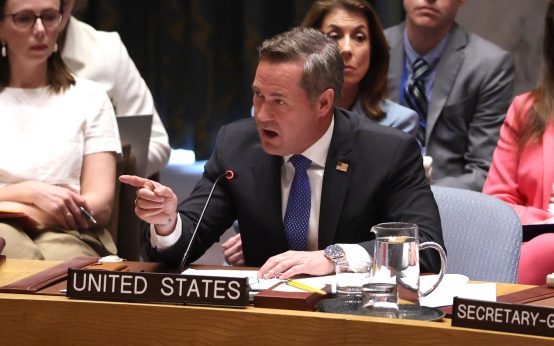 U.S. Ambassador Comments on Iran War Duration Amid Political Concerns
 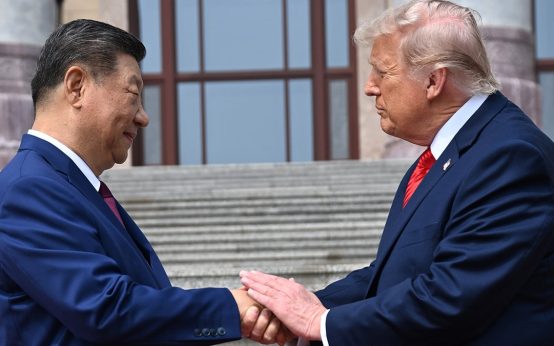 US-China Relations Under Scrutiny: Expert Warns of Escalating Tensions
  No Timeline for End of Iran Conflict