Trump’s Expectations from NATO Allies
Donald Trump has clear expectations from European NATO allies: contribute fairly to the alliance, take responsibility for their defense, and assist in the conflict in the Middle East, particularly against Iran. European leaders have pledged to increase defense spending but have expressed dissatisfaction with Trump’s additional demands.
Ukraine’s Contribution to Defense Efforts
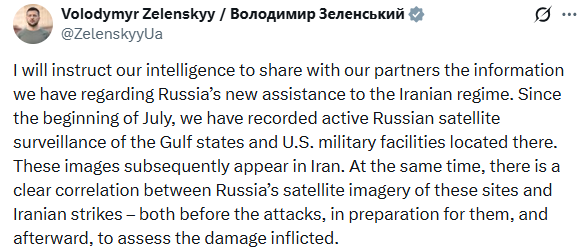
Ukraine has responded positively to Trump’s challenges. The country has actively participated in defense initiatives, such as conducting a strike on an Iranian vessel. Ukrainian President Volodymyr Zelensky offered to share intelligence regarding Russia’s surveillance activities. These actions signal a shift in Ukraine’s perceived value to Washington.
“Ukraine is demonstrating its value. The question is how Washington will respond,” Jacob Parakilas, Research Leader at RAND Europe for Defense Strategy, told Newsweek.
Ukraine’s Involvement in Iran Conflict
Despite Ukraine’s ongoing battle against invasion, it has found time to support the U.S. and allies in Middle Eastern conflicts. Ukraine targeted vessels in the Caspian Sea linked to Iran, showcasing its readiness to assist. Zelensky announced plans to share intelligence on Russia’s support to Iran, causing a furious reaction from Tehran.
Iran’s Foreign Minister expressed indignation over Ukraine’s actions, though Iran’s provision of drones to Moscow for attacks on Ukraine seems to be overlooked.
Europe’s Response to Defense Pressure
Under pressure from Trump to enhance defense spending, Europe is investing in its defense industrial base. Purchasing U.S. defense equipment is necessary until Europe can produce more weapons domestically.
Ukraine challenges misconceptions regarding its financial burden on Washington. A bilateral statement of intent outlines plans for Ukraine’s drones to be tested in the U.S., potentially leading to joint manufacturing on American soil.
Collaboration and Military Expertise
Ukraine consults with Gulf states on air defense improvements, sharing expertise gained from conflicts with Russia. Ukraine still needs U.S. support, but offers technology and know-how in return, aligning with Trump’s expectations.
“Ukraine’s experience in high-end conventional conflict has informed its military-industrial expertise, balancing the relationship with the U.S.,” Parakilas said.
Potential Consequences of Ukraine’s Actions
The strike on an Iranian-linked vessel may lead to heightened tensions, intertwining conflicts in Europe and the Middle East. Trump’s preference for allies who are self-sufficient remains clear.
For Ukraine, engaging with Iran is a strategic leverage against Russia, not seeking new enemies but demonstrating the interconnected adversarial relationship. Backing Ukraine means supporting the nation with direct experience in combating this network.
If Trump desires allies that handle their own wars, develop weapons, share intelligence, and pressure adversaries, he has one in Ukraine.
 Court Rules Against Third-Country Deportation Policy
  Trump Administration Bars News Networks from White House
  Claims to Nazi-Looted Art Spark Legal Battle in California
  Lawsuit Filed Over Preeclampsia Death in Texas Amid Abortion Ban Controversy
 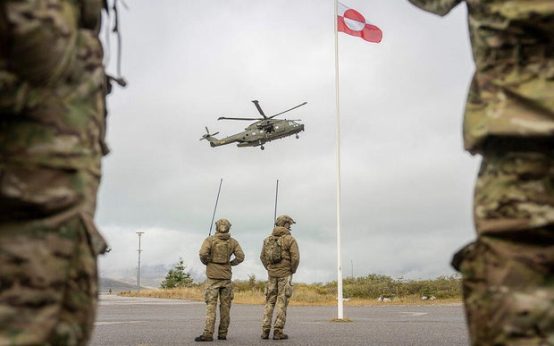 U.S. Secures Strategic Control Over Greenland
  U.S. and Denmark Move Towards Security Agreement Over Greenland