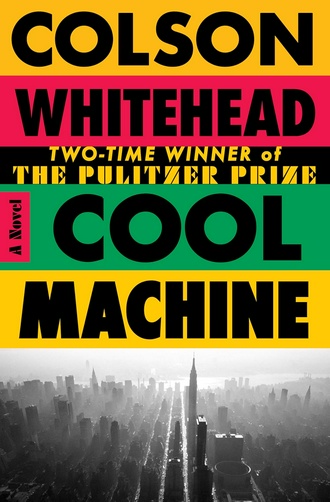
Colson Whitehead, in his non-fiction work The Colossus of New York (2003), captures the essence of the city through thoughtful reflections, urging readers to acknowledge the significance of their former homes in personal transformations. His narrative continues this theme in his Harlem crime novels, culminating in the final book, Cool Machine.
The main character, Ray Carney, is a furniture salesman in Harlem, known for his store’s slogan, “Nice furniture for nice people.” Ray often finds himself contemplating the lives within the apartments he passes, envisioning them infused with his furnishings like deluxe loungers and family dinettes. He embodies the nostalgia that permeates the series, as he balances familial tenderness with ventures into the dark side of society.
The trilogy’s conclusion in Cool Machine brings an inescapable nostalgic feeling. This is not due to a melancholy in Whitehead’s writing but rather the reader’s awareness that these characters have reached their journey’s end. The book is a final opportunity to explore the layered dynamics of Whitehead’s vibrant cast of characters.
 Melanie Griffith Reflects on Wellness Retreat and Career Legacy
  Jennifer Aniston’s Relationship Insights from Relationship Experts
  Kim Kardashian Shares Esophagitis Diagnosis Amid Personal Concerns
  Duncan Sheik, Singer-Songwriter and Broadway Composer, Dies at 56
  Engelbert Humperdinck Reflects on Life-Saving Shoelace During Army Service
  Chad Gilbert of New Found Glory Dies at 45