Lawmakers have encountered difficulties in advancing legislation aimed at imposing new rules on sports gambling and prediction markets. Despite bipartisan agreement that these industries have been inadequately scrutinized by the federal government, efforts have stalled.
Critics from both chambers argue that major platforms like FanDuel and DraftKings fail to sufficiently limit opportunities for corruption and game rigging while profiting from millions of Americans. Additionally, prediction markets offer customers chances to wager on outcomes beyond sports, touching on politics and the economy.
Recent scandals have highlighted concerns about individuals using sensitive information within prediction markets to gain financial advantages. This has intensified debates in statehouses and Capitol Hill, with both traditional gambling industries and prediction markets seeking to prevent stricter federal regulation.
Sen. Tim Kaine expressed concerns over prediction markets resembling insider trading, while acknowledging the pervasive nature of sports betting. The SAFE Bet Act, proposed to set federal standards on online sports betting, has seen little progress in the Senate.
Lawmakers face obstacles as major sports betting companies lobby heavily against reforms. Questions have arisen regarding partnerships between sportsbooks, pro sports leagues, and individual athletes.
Prediction markets, differing from sportsbooks, are regulated by the Commodity Futures Trading Commission (CFTC). This regulation involves two-way contracts, facilitating bets through volume and wager sizes.
Some government officials have exploited these platforms using insider knowledge. In one instance, a White House teleprompter operator placed bets on President Trump’s speech content, leading to an investigation.
Phil Smyth, a gambling addiction specialist, noted similarities between gambling experiences and addiction patterns. Concerns over growing addiction rates, especially among young men, highlight the urgency of addressing these industries.
Legislation concerning gambling and prediction markets faces uncertainty, particularly with upcoming midterm elections. Predictions suggest no significant progress before elections unless attached to critical bills.
Sen. Adam Schiff introduced a bill to ban sports-related event contracts in prediction markets, citing susceptibility to corruption.
Additional legislation, the Protect College Sports Act, seeks to establish federal standards on college sports issues, with hopes for advancement before football season.
Extra Points
President Trump criticized the New York Mets during a Georgia rally, praising the Braves while dismissing the Mets’ high salary expenses and frequent losses.
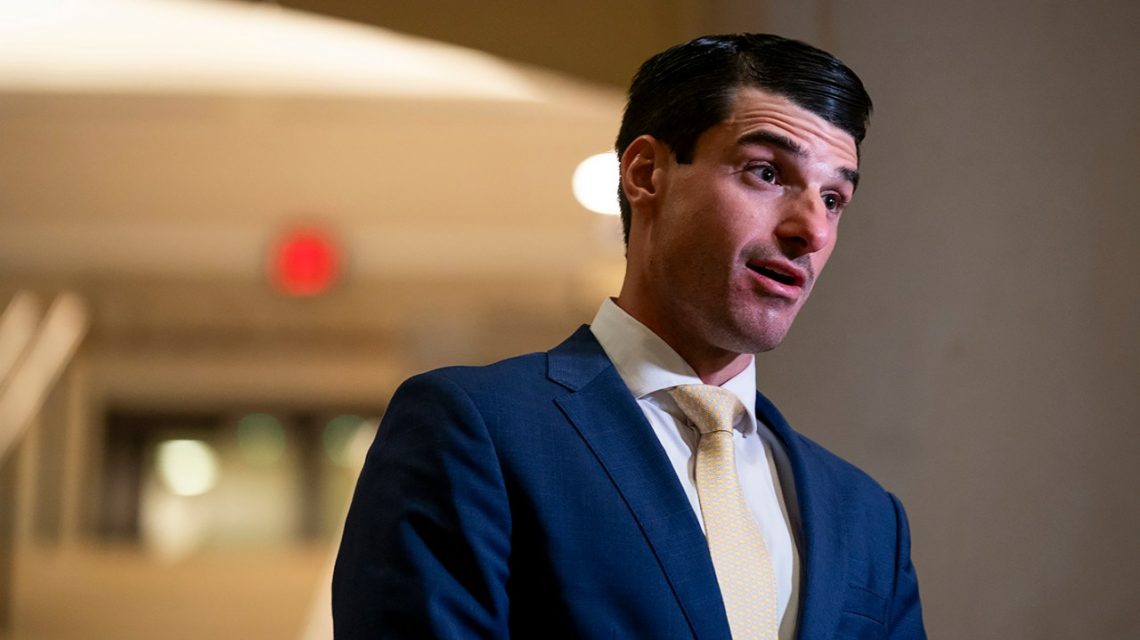
Jay Feely, former NFL kicker backed by Trump, won the GOP primary in Arizona’s 1st Congressional District and will face Democrat Amish Shah in the general election.
Rep. Rob Bresnahan shared his affinity for ice hockey and team loyalty, discussing sports-related influences and opinions.
Inside Congress, sports and politics intersect, highlighting shared experiences and clichés.
Sweeping layoffs at ESPN have stirred sports media discussions. Interest in Sophie Cunningham’s outspoken political views draws attention to potential future in politics.
With the World Cup concluded, The Ringer explored memorable aspects of the event, emphasizing ‘New horizons.’
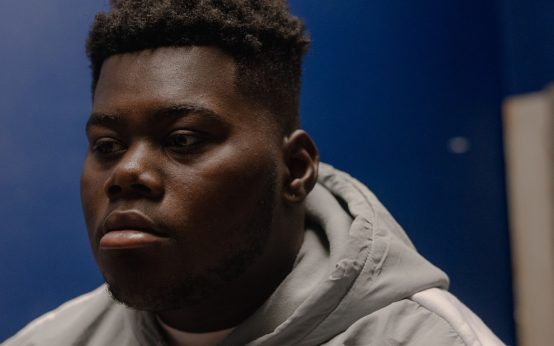 A Mother’s Tragic Journey Under Abortion Ban
  U.S. Strategic Goals Remain Unmet Amid Prolonged Conflict
  The Impact of Arts and Closure on Democracy
 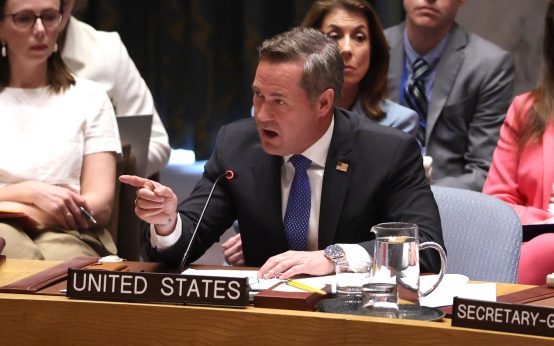 U.S. Ambassador Comments on Iran War Duration Amid Political Concerns
 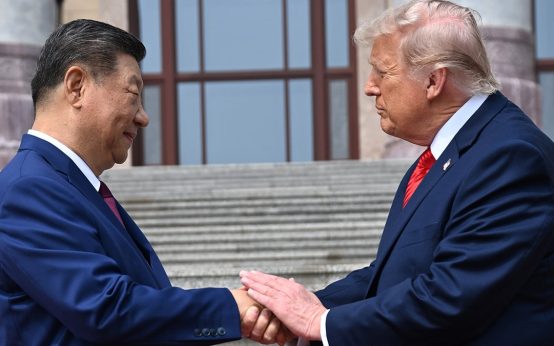 US-China Relations Under Scrutiny: Expert Warns of Escalating Tensions
  No Timeline for End of Iran Conflict