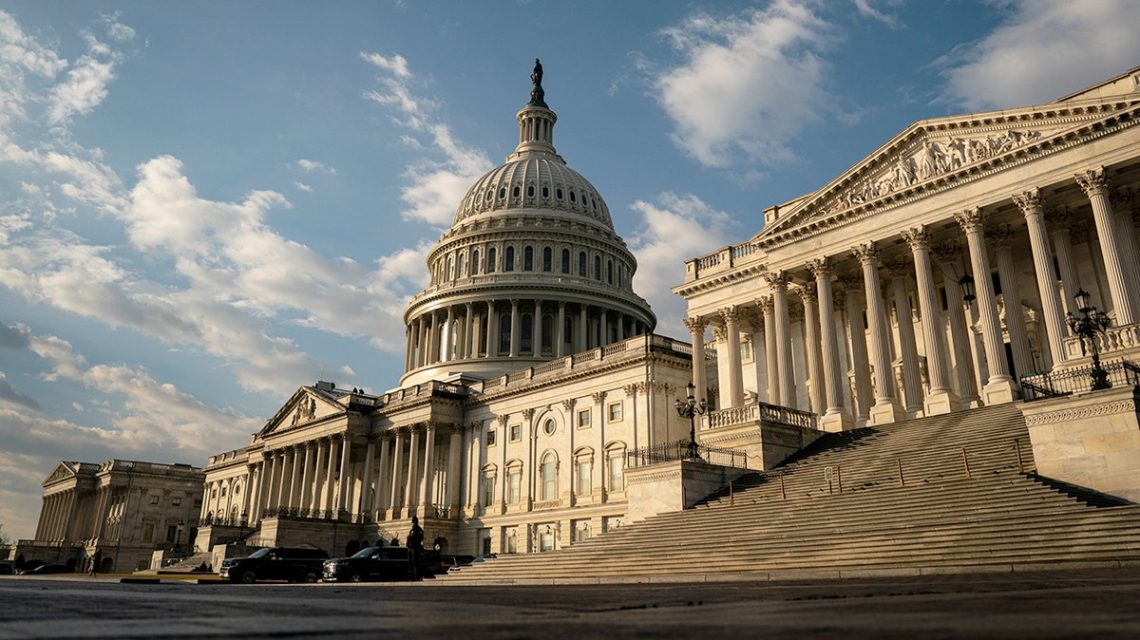
The upcoming midterm elections are a critical battlefield for both Republicans and Democrats. Discussions are underway about the influence of the Democratic Socialists of America (DSA) on electoral strategies. Evan Power argues that associating Democrats with the DSA’s radical agenda could benefit Republicans, especially in politically crucial states like Florida. In contrast, Morgan Harper emphasizes that Democratic supporters prioritize candidates with strong economic populist agendas.
The 2026 midterms, now 100 days away, promise an expensive and contentious campaign season. Republicans currently hold narrow majorities in Congress, enjoying a slight edge in both the House and Senate. However, all House seats and 35 Senate seats are up for grabs, making a shift in power possible.
Current polls suggest challenges for Republicans, typically bolstered in midterms as the opposition party. However, the GOP benefits from redistricting successes in states like Florida and Texas. Recent Fox News polls reflect economic and political dissatisfaction, posing both challenges and opportunities for both parties.
Joe Gruters, RNC Chair, expressed confidence in the Republican position, citing high inflation and gas prices as critical factors under President Biden’s tenure. Efforts like ‘Working Family Tax Cuts’ are highlighted as Republican achievements addressing these issues.
The Democratic Congressional Campaign Committee remains focused on economic concerns, criticizing House Republicans for their cost-raising agendas. A recent poll shows a modest advantage for Democrats, with 53% of voters favoring Democratic candidates over 46% for Republicans. This lead, though small, represents the strongest support for Democrats in decades.
Senate battles are also fiercely contested, with Republicans defending seats in key states amid high electoral spending. Democrats aim to leverage prevailing economic and political discontent among voters.
Both parties face internal challenges. A rising socialist wave within the Democratic ranks presents headaches for traditional leaders, while Republican factions wrestle over legislative priorities. Voter polls indicate varied perceptions, with more favorable views of socialism among Democrats and consistent support for capitalism among Republicans.
Republicans eye the socialist rise in Democratic strongholds like New York City as an opportunity. NRSC statements emphasize economic responsibility as a key Republican tenet against alleged Democratic fiscal imprudence.
Financially, the Republican National Committee holds a significant cash advantage over its Democratic counterpart, a crucial factor in the campaign’s final stretch. DNC Chair Ken Martin argues for strategic investments over mere asset accumulation, framing it as strategic planning for upcoming elections.
Governatorial races add another layer of political stakes, with control over 36 governorships hanging in the balance. These races will shape state policies and, indirectly, national governance.
Republican governors tout their achievements in economic and public safety growth. Republican Governors Association emphasizes policy success over Democratic approaches, asserting clear contrasts between the parties.
Fox News polling underscores electoral volatility, with low presidential approval and calls for change. Democrats show an edge in managing income inequality, healthcare, and other critical issues, while Republicans hold sway on crime and national security.
Motivation among voters varies, with Democrats showing greater enthusiasm. Within Republican ranks, MAGA supporters exhibit higher engagement.
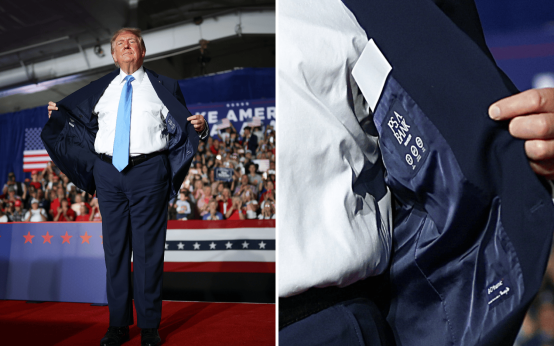 Trump’s Unexpected Suit Choice Sparks Debate
 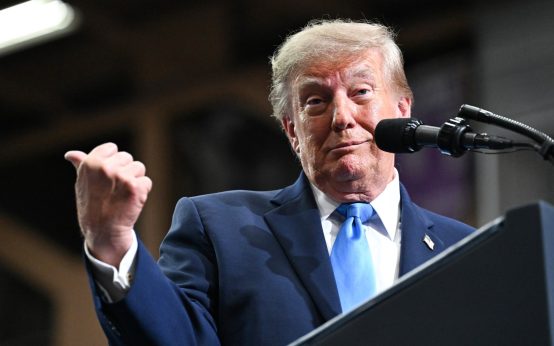 Trump Administration Considers Federal Gas Tax Suspension Amid Rising Fuel Prices
 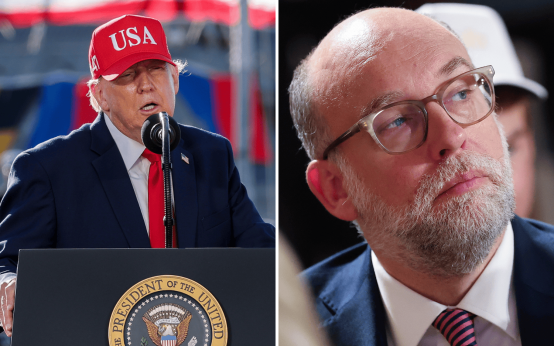 Trump Hints at Potential Surprises Ahead of Midterm Elections
  Dan Sullivan Faces Tough Reelection Campaign Against Mary Peltola
 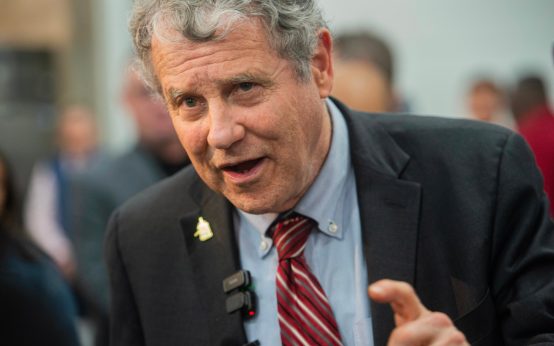 Sherrod Brown’s Ohio Senate Race: A Test for Democrats
  Memphis City Council Meeting on Data Center Restrictions Erupts in Chaos