
The conflict between the U.S., Israel, and Iran, which began with strikes in late February, was initially expected by President Donald Trump to conclude in four to five weeks. Contrary to these expectations, the war has extended for months, resulting in significant human and financial costs.
Human Toll of the Conflict
The human cost of the war is substantial. Thousands of lives have been lost due to the ongoing hostilities. This number continues to rise as the conflict persists beyond the initial timeline predicted by officials.
A U.S. Army carry team transports a transfer case containing the remains of 1st Lt. Tyler James Feehan at Dover Air Force Base on Wednesday.
The ongoing conflict highlights the uncertainty and unpredictability of warfare, impacting countless families and communities on both sides.
Financial Impact of the War
Financially, the war has also taken a massive toll. Billions of dollars have been spent on military operations, equipment, and personnel. These expenditures strain national budgets and highlight the high costs associated with prolonged military engagement.
The situation poses significant questions about the long-term financial impacts and the allocation of resources in ongoing international conflicts.
Looking Ahead
The future of the conflict remains uncertain, with both human and financial implications continuing to mount. Key stakeholders are under pressure to find resolutions and mitigate further losses.
As the conflict endures, understanding its impacts on affected populations and broader geopolitical tensions remains crucial.
 Gorillaz and Macklemore Respond to Controversy Over Israel-Palestine Statements
  Investigation into Lion Deaths in Tanzania
 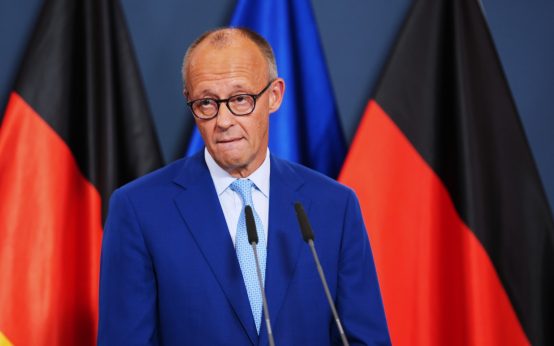 Merz Stays Resolute Amid Electoral Shifts in Germany
 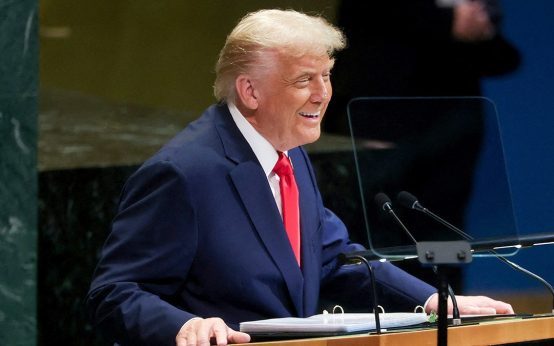 U.S.-Iran Relations and Diplomacy at Upcoming U.N. Assembly
  US-China Relations Under Scrutiny: Expert Warns of Escalating Tensions
  Extradition of Suspects in Haitian President’s Assassination