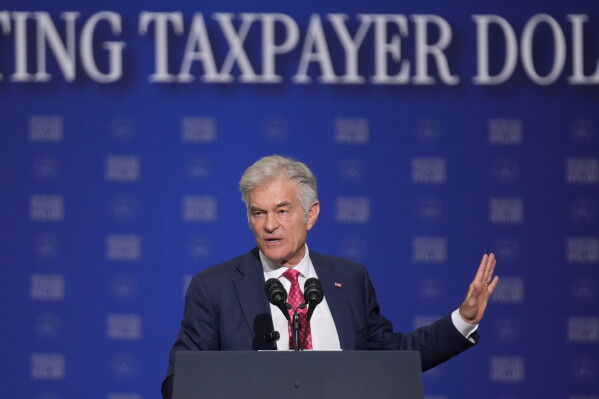
Health advisers are meeting to evaluate several peptides, substances gaining popularity as wellness treatments despite limited evidence of safety or efficacy. The two-day meeting, supported by Health Secretary Robert F. Kennedy Jr., is hosted by the Food and Drug Administration (FDA). Kennedy is an advocate of peptides and has expressed interest in overturning restrictions imposed by President Joe Biden’s administration.
Enthusiasts of peptides include figures like podcaster Joe Rogan and wellness influencer Gary Brecka, who backs Kennedy’s “Make America Healthy Again” initiative and sells peptide products online. Social media is filled with testimonials from users claiming benefits such as muscle growth, injury recovery, and youthful appearance.
The FDA’s meeting underscores significant disagreements over peptides. Many scientists and medical experts argue there is insufficient data to support wider availability of peptides, particularly from compounding pharmacies. Compounding pharmacies prepare customized medicines not typically offered by standard pharmaceutical companies. This stance aligns with FDA scientists who express doubt about peptides’ safety and health benefits.
“This is really alarming,” says Rita Jew, president of the Institute for Safe Medication Practices. “There aren’t many other substances people are injecting where evidence is so lacking.”
The advisory panel includes seven doctors and pharmacists with financial links to the peptide industry. Critics highlight potential conflicts of interest as several members own wellness clinics, pharmacies, or online businesses promoting peptides. In response, the FDA augmented the panel with additional experts free of industry ties.
The meeting will result in votes on whether to permit compounding pharmacies to prepare seven common peptides. While these votes are not mandatory for the FDA to follow, they influence the agency’s stance. Peptides, essential protein components, stimulate bodily hormones necessary for growth, metabolism, and healing. Some drug companies already market peptides for specific therapeutic purposes, such as diabetes and weight loss.
Peptide advocates have requested FDA recognition for a range of medical applications, including treatment of ulcerative colitis, migraines, and opioid addiction. However, many peptides, such as BPC-157 and TB-500, are criticized by the FDA for insufficient human data, contamination risks, allergic reactions, and poor quality control. They have also been labeled as doping substances by international sports authorities.
In preparation for the meeting, the FDA received over 1,900 public comments. Supporters, including doctors and patients, argue for regulated, legal access to peptides, highlighting safety concerns associated with the gray market.
The American Academy of Peptide Medicine, composed of doctors and wellness advocates, emphasizes the therapeutic benefits of peptides. The organization describes itself as educational, not regulatory or accrediting.
Post-meeting, the FDA will evaluate the votes, discussions, and public comments before reaching a decision regarding peptide access. While placing these substances on the FDA’s approved compounding list requires new regulations, a temporary policy could reassure pharmacies about enforcement priorities.
Nathan Beaver, an FDA-focused attorney, suggests the process may align with Secretary Kennedy’s goals. The outcome is awaited with anticipation.
The Associated Press reports that this coverage is independently produced with support from the Howard Hughes Medical Institute’s Department of Science Education and the Robert Wood Johnson Foundation.
 Managing Distress: Insights and Techniques
  Best Practices for Safe Consumption of Fresh Produce
  The Complexity and Prevention of Suicide
  A Journey Through Cancer: Reflections on Diagnosis and Metaphor
  Impact of Sleep Types on Disease Risk
  The War on Poverty: A Lesson on Intentions and Outcomes