
NEW DELHI (AP) — On Monday, police resorted to tear gas and batons to prevent supporters of India’s Cockroach movement from reaching Parliament. The protesters demanded the resignation of the education minister as tensions rose. This marks a significant confrontation in the movement’s efforts against Prime Minister Narendra Modi’s administration. Despite the police action, several small groups persisted in heading toward Parliament.
Cockroach Janta Party spokesperson Saurav Das condemned the authorities for the harsh crackdown on what he described as peaceful protesters. The Delhi Police argued the march was unauthorized and emphasized the need for maintaining order during Parliament’s active monsoon session.
Jantar Mantar, a designated protest area located a few kilometers from Parliament, saw a diverse crowd. Students, professionals, and families gathered. As the day unfolded, protests expanded beyond the initial site into nearby streets. Many demonstrators came prepared with supplies, expecting a lengthy protest period. Among them, Indian flags waved while chants criticizing the education minister and Modi echoed.
A Satirical Movement Gains Traction
The Cockroach Janta Party began its campaign in May, catalyzed by a Supreme Court chief justice’s comparison of unemployed youth to “cockroaches” during a hearing. This remark transformed into a satirical movement embraced by millions on social media. Public outrage intensified following leaks in crucial entrance exams for medical colleges and government positions. Tensions escalated when police moved hunger-striking activist Sonam Wangchuk to the hospital.
Protesters identifying as “cockroaches” have been camping at Jantar Mantar, supported by several student groups participating in Wangchuk’s hunger strike. University and city rallies across the nation have seen thousands join. Their demands include the resignation of the Education Minister Dharmendra Pradhan, exam system reforms, and compensation for families of students who ended their lives due to paper leaks.
Government’s Initial Outreach
Modi’s administration initially took a hard stance against the movement. Although Education Minister Pradhan accused the protesters of undermining the nation, some ministers acknowledged concerns but dismissed the need for dialogue. However, change seemed evident on Monday when Health Minister J.P. Nadda engaged with movement representatives. CJP spokesperson Das presented their demands, including the education minister’s resignation.
Activist Wangchuk requested permission to leave the hospital to join the march, stating he would end his hunger strike only if the government took action on failures or protesters were allowed audience with lawmakers.
The outreach led to increased security around Parliament as protest leaders sought direct engagement with lawmakers.
Protests Challenge Modi’s Government
In its third tenure, Modi’s Hindu nationalist government faces a challenge as opposition parties, activists, and celebrities lend support. Protesters argue restrictions on dissent have grown under Modi, citing examples like activists’ arrests and forceful police actions.
Jyoti Rajput, a yoga teacher, participated because “this rotten system refuses to take action… It cannot see the pain of students,” she explained.
Many view the movement as an uprising for government accountability. Sneha Eppili, a 26-year-old protester, expressed frustration with what she perceives as elected leaders’ lack of transparency and responsiveness. “I voted for this government, so I think it’s accountable to answer our questions. That’s the basic human right I deserve,” she remarked.
 The Impact of Arts and Closure on Democracy
 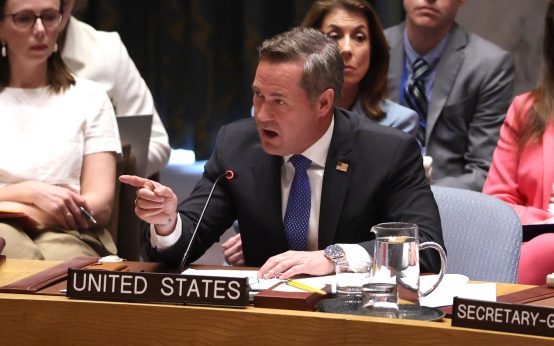 U.S. Ambassador Comments on Iran War Duration Amid Political Concerns
 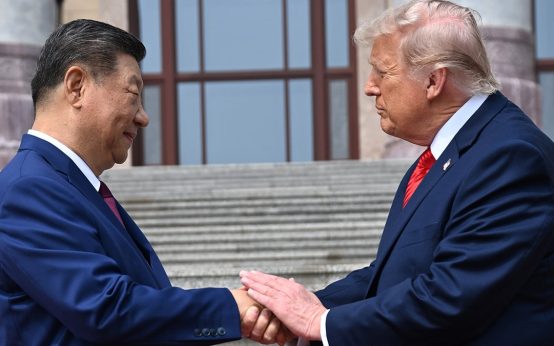 US-China Relations Under Scrutiny: Expert Warns of Escalating Tensions
  No Timeline for End of Iran Conflict
 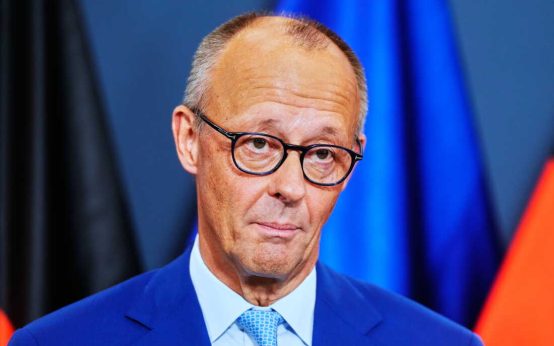 German Chancellor Merz Vows to Pursue Reforms Despite Election Setbacks
  The Technology Rivalry: Trump’s Meeting with Xi and the AI Ecosystem Clash