
The conflict between U.S. and Iranian forces is intensifying, with two American soldiers killed during an Iranian missile assault in Jordan over the weekend. Both sides have targeted critical infrastructure, including bridges and water facilities.
U.S. officials, speaking anonymously, indicated the U.S. is deploying additional warplanes to the Middle East. This move was planned before the soldiers’ deaths. The military response highlights the fragile nature of the ceasefire agreed upon last month by the U.S. and Iran.
The State Department advised Americans abroad to remain vigilant due to escalating tensions in the Middle East.
Sources revealed that Air Force F-16 jets from Germany and F-35 jets from Britain, along with additional aerial refueling aircraft, are en route to the Middle East. These deployments aim to support operations in response to ongoing hostilities.
U.S. military actions have targeted Iranian military facilities, while Iran has responded with attacks on Kuwait, Bahrain, and Jordan, nations hosting significant U.S. military presence. These attacks have damaged vital infrastructure, such as oil facilities and power plants.
Jordanian authorities evacuated Aqaba’s airport and seaport following credible threats, successfully intercepting three Iranian missiles.
Responses and Strategic Implications
Defense Secretary Pete Hegseth asserted that these losses would not deter U.S. resolve. However, the situation complicates President Trump’s ongoing strategy against Iran.
Despite attempts to negotiate peace, Iran’s Supreme Leader Ayatollah Mojtaba Khamenei accused the U.S. of breaking the ceasefire, calling Trump’s agreement “invalid.”
Impact on U.S. Forces and Middle Eastern Dynamics
The latest fatalities mark the first U.S. deaths from Iranian attacks since recent ceasefire attempts, raising the death toll to 16 among U.S. personnel.
Jordan is becoming a focal point due to its strategic role in U.S. military operations. The Iranian attacks in Jordan over five days demonstrate this increasing importance.
Lebanese President Joseph Aoun met with U.S. Secretary of State Marco Rubio, addressing the framework agreement with Israel. The agreement, hoping to promote peace, did not include Hezbollah, with over 4,300 deaths reported since the conflict’s resurgence.
Reactions in Israel
Israel remains tense, assessing whether to engage further amidst escalating U.S.-Iran conflicts. While the situation has resulted in military action near its borders, Israel has thus far refrained from counter-attacks. Israeli Prime Minister Benjamin Netanyahu warned Iran of severe consequences if attacked, maintaining readiness.
These developments precede upcoming Israeli elections, where national security remains a critical issue.
Regional and Global Repercussions
The U.S. plans further assaults on Iranian infrastructure, indicating a strategic shift towards greater military engagement. The Pentagon is repositioning assets, with some U.S. refueling aircraft sent to Israeli bases.
As conflict wells up, civilians in Iran endure hardships such as power cuts and water shortages amid sweltering temperatures.
Iran’s air raids on Jordan signify an expanded conflict zone, challenging Jordan’s delicate balance as a U.S. ally heavily reliant on American aid.
Iranian forces are increasingly targeting U.S. bases in the region, with recent attacks leaving numerous U.S. casualties. Jordan’s increased role as a U.S. military support hub has exacerbated its vulnerability to Iranian aggression.
U.S. officials insist Washington values Jordan’s partnership, emphasizing sustained military and economic support to the kingdom.
Continued Iranian assaults on Gulf nations such as Kuwait have stressed infrastructure and raised security concerns about critical resources like desalination plants.
 Gorillaz and Macklemore Respond to Controversy Over Israel-Palestine Statements
  Investigation into Lion Deaths in Tanzania
 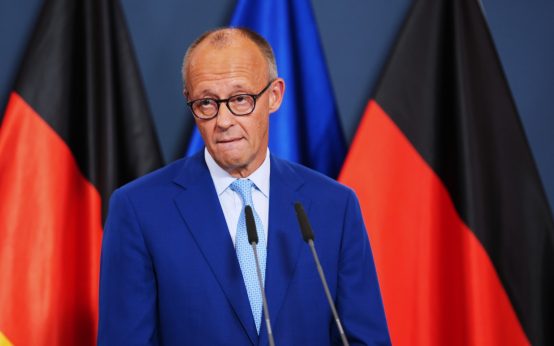 Merz Stays Resolute Amid Electoral Shifts in Germany
 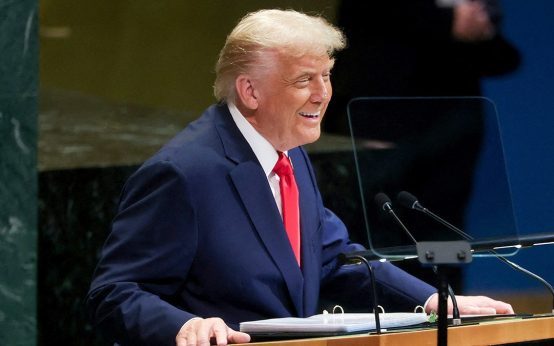 U.S.-Iran Relations and Diplomacy at Upcoming U.N. Assembly
 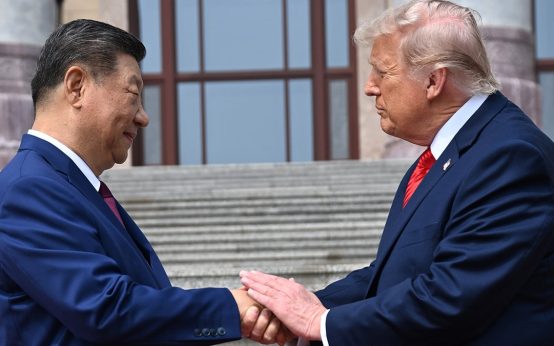 US-China Relations Under Scrutiny: Expert Warns of Escalating Tensions
 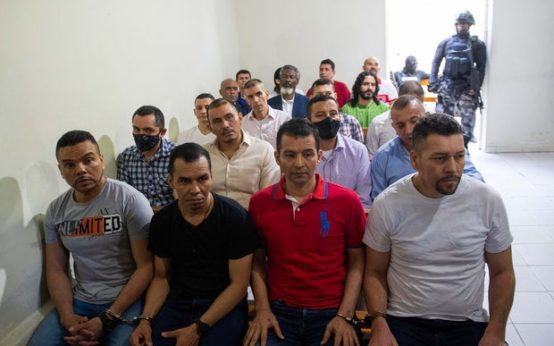 Extradition of Suspects in Haitian President’s Assassination