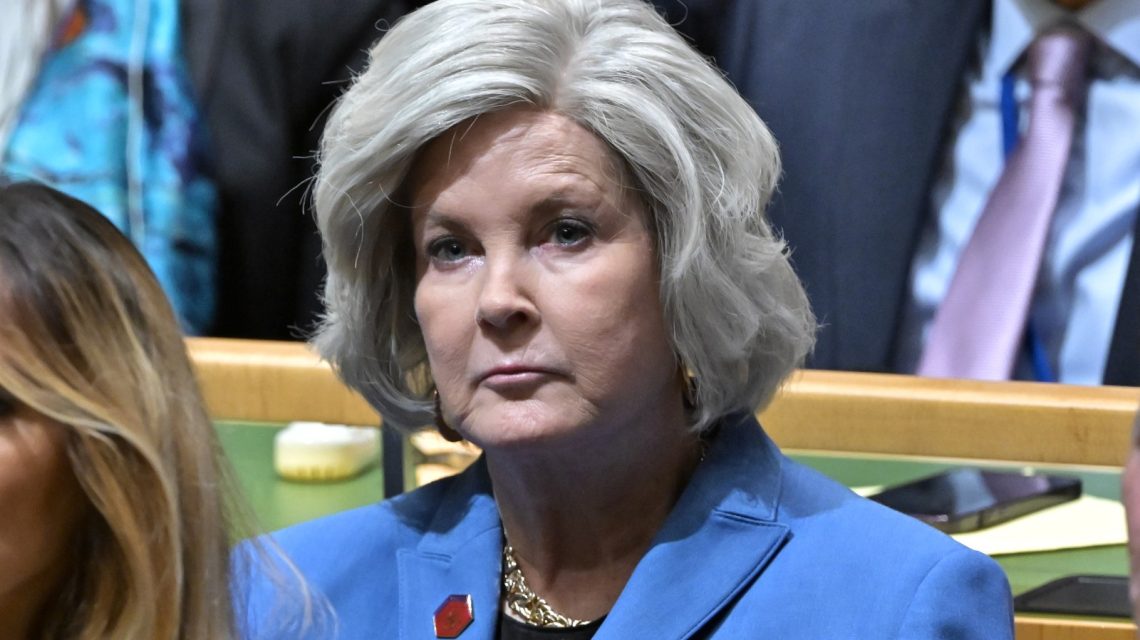
President Donald Trump has initiated significant changes within his administration following the Republican Party’s recent midterm elections defeat. Susie Wiles has been replaced by Stephen Miller as the White House Chief of Staff. Trump made the announcement on Truth Social, emphasizing Miller’s close advisory role and future leadership starting Monday. Meanwhile, Wiles will join the Trump Political Operation.
The shift occurs shortly after Republicans faced a notable electoral loss, with Democrats preparing to assume control of Congress. This change prompts questions about the administration’s direction under Miller. Known for his influence on domestic policy, particularly immigration, Miller steps into a key role.
Aside from the Chief of Staff, speculation looms over other officials. Secretary of State Marco Rubio might leave to focus on a 2028 presidential run. Defense Secretary Pete Hegseth faces critique on Iran policy and impeachment threats. Vice President JD Vance is publicly distinguishing himself from Trump on foreign policy issues.
Reports indicate potential scrutiny of FBI Director Kash Patel and Commerce Secretary Howard Lutnick. President Trump initially claimed no major Cabinet changes were in the works post-midterms. However, he later hinted at possible personnel shifts.
Trump expressed gratitude for Wiles’ service and reiterated her continued association with his political activities. Wiles acknowledged her transition, expressing pride in her past accomplishments and loyalty to Trump’s mission.
Former Press Secretary Karoline Leavitt praised Miller’s appointment, citing his alignment with the America First agenda. She noted the need to reassess strategies following the election defeat, calling for improved tactics without surrendering political ground.
Leadership Changes: Implications
Wiles’ move is a pivotal shift in Trump’s administration. Known for engineering Trump’s 2024 win, her leadership faced scrutiny amid falling approval ratings and electoral setbacks. Criticism of her management has surfaced, suggesting her campaign success didn’t translate effectively to White House governance.
Hegseth’s future remains uncertain, partly due to unpopular military decisions that impacted Republican voters. Trump’s confidence in him exists, but impeachment proceedings and strategic controversies could force changes.
Rubio’s potential exit may align with presidential aspirations, distancing from unpopular policy decisions while preparing for electoral contests.
JD Vance’s positioning indicates openness to dialogue on controversial foreign policy stances, reflecting his broader political ambitions within the Republican landscape.
The administration’s personnel dynamics involve key figures like Kash Patel and Howard Lutnick, facing varied challenges amid evolving political pressures.
The Role of Prediction Markets and Public Perception
Prediction markets show fluctuating odds on key figures departing. Hegseth and Rubio exhibit high speculation rates, influenced by policy controversies and political ambitions.
Woolley, a political science expert, suggests that Trump’s response may vary from dismissing controversial figures to leveraging congressional dynamics for political gain.
The historical context reveals that major Cabinet reshuffles aren’t common post-midterm defeats. Instead, targeted changes occur without extensive overhauls.
Overall, Trump’s personnel strategy signals intent to maintain or restructure his team without necessarily indicating a broad Cabinet purge.
 Trump Dismisses Third Impeachment Prospects
 Custody Dispute Involving Rep. Max Miller Delayed
 Attorney General Addresses Post-Midterm Democratic Threats
 Senator Elizabeth Warren and the Future of Crypto Regulation
 Bipartisan Opportunities in Foreign Policy
 Political Shifts and Concerns Post-Midterms