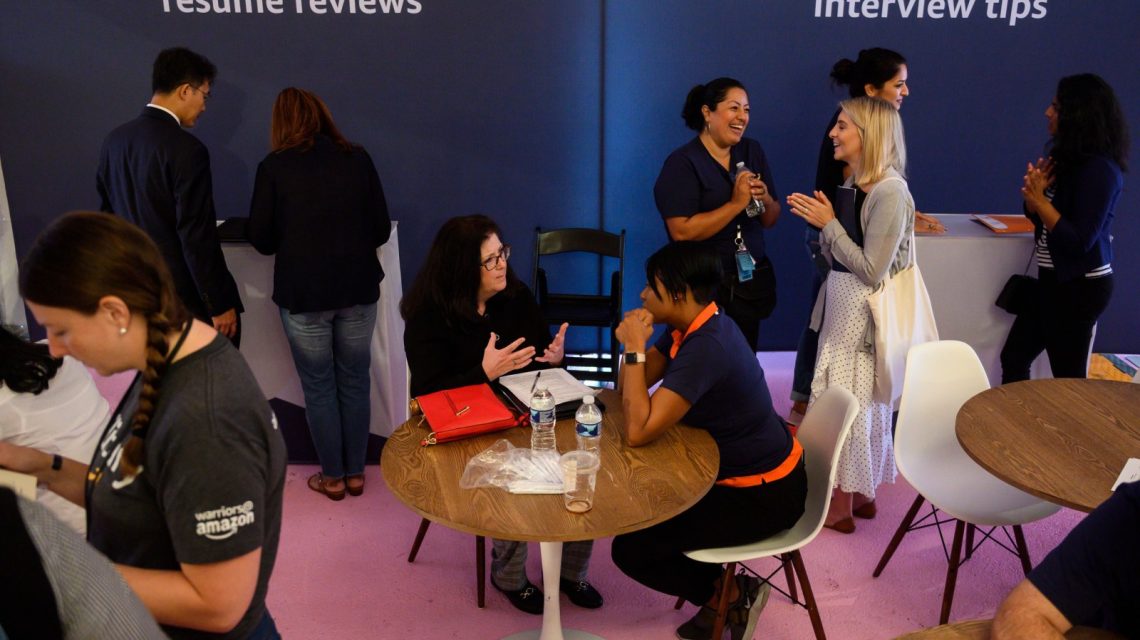
Discussions about AI’s impact on employment have sparked debates surrounding the potential diminishing value of traditional prestige career paths. Notably, Kevin O’Leary, known as Mr. Wonderful from Shark Tank, recently forecasted the decline of management consulting. Concurrently, economist Alice Lassman argued in The Guardian that the conventional career machine may be faltering.
Instead of lamenting this shift, we should anticipate new opportunities to emerge. Consulting firms historically promised success through mastering and executing established methodologies, leading to financial rewards and influence. This model suggested that the right education and adherence to specific corporate behaviors were the foundations of a prestigious career.
In an evolving AI landscape, products and executions are rapidly becoming more accessible. This transformation threatens the conventional white-collar career bargain. Those who relied on this model might feel challenged. However, for those outside this paradigm, the future seems promising due to emerging important skills that consulting firms often overlooked.
Growing up without the traditional career advantages taught me cultural intelligence and the ability to find depth beyond mere transactions. These skills have led me to significant roles like digital strategist for Beyoncé and strategist at Wieden+Kennedy, culminating in teaching at Michigan’s Ross School of Business.
Such paths diverge from traditional economic elite pathways. Lassman suggests future careers could focus on AI development or leverage soft skills in public services. Yet, this dichotomy is akin to the old prestige career model, focusing narrowly on institutional access.
AI has broadened the landscape, emphasizing skills like cultural intelligence, persuasive storytelling, and tolerance for ambiguity. These do not belong to one sector and do not require a specific credential. They can be cultivated in diverse settings.
Conventional wisdom might depict the future of jobs as uncertain. However, insights from pop culture and consumer behavior reveal that when tangible product differences shrink, cultural differentiation gains importance. Successful brands create identity and belonging.
Similarly, AI impacts white-collar roles. Future prestigious careers will favor those who facilitate culture and convey meaning widely, not merely those executing established models. These cultural skills, unseen by traditional institutions, position individuals uniquely.
While the prestige career track shifts, potential leaders remain rooted in neighborhoods, studios, classrooms, startups, and movements. These environments, devoid of prestige biases, nurture talent based on potential, often overlooked by conventional gatekeepers.
Marcus Collins is a Professor of Marketing at the University of Michigan’s Ross School of Business. The views in this piece are his own.
 Parallels Between ‘Threads’ and AI Fears
  AI as a Modern Charismatic Entity
  Concerns Rise Over AI Agents Targeting Websites for Information
  FAA Investigates Software Glitch in Boeing 737 Max Jets
  Protecting Your Finances from Cyber Threats
  OpenAI’s AI Interaction with U.S. Government Websites Sparks Review and Concerns