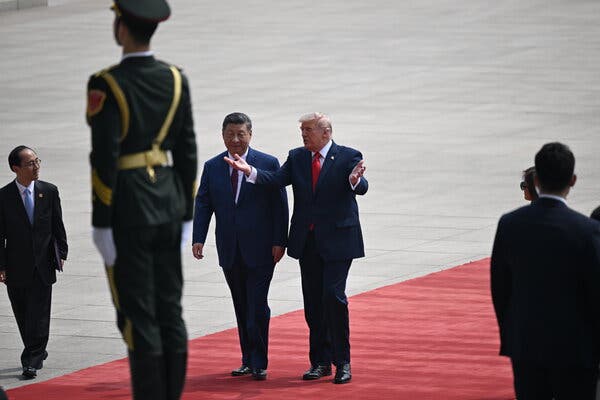
Chinese officials seem to interpret President Trump’s claims of Chinese interference in the 2020 U.S. elections as being motivated by domestic political factors rather than foreign policy concerns.
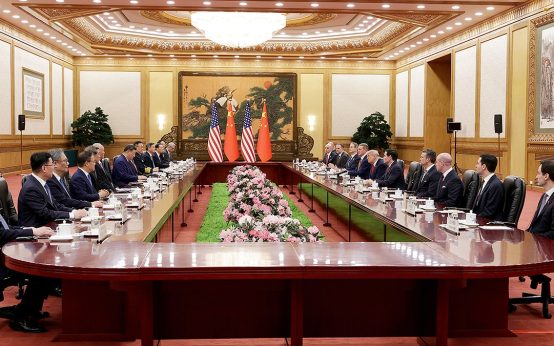
In May, both President Trump and China’s leader, Xi Jinping, participated in events at the Great Hall of the People in Beijing. The U.S. president warmly regarded Mr. Xi as a “friend” during the visit, expressing gratitude for the significant hospitality and successful negotiations on trade agreements. Plans were made for Mr. Xi to visit Washington later in the year.
However, in a televised address, President Trump adopted a confrontational stance. He accused China of orchestrating “the largest compromise of election data in history,” releasing documents he claimed were declassified. Yet, these documents lacked new evidence of China’s involvement. U.S. intelligence reports concurred, stating no evidence supported the claim that China influenced the election’s outcome.
 The Impact of Arts and Closure on Democracy
 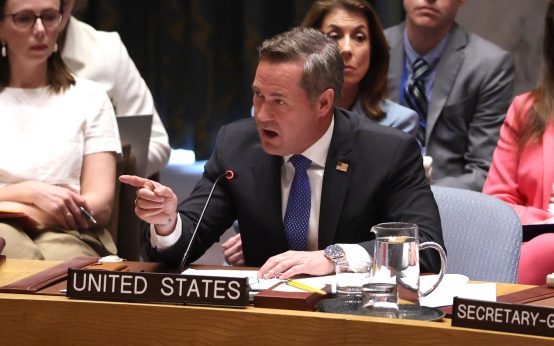 U.S. Ambassador Comments on Iran War Duration Amid Political Concerns
 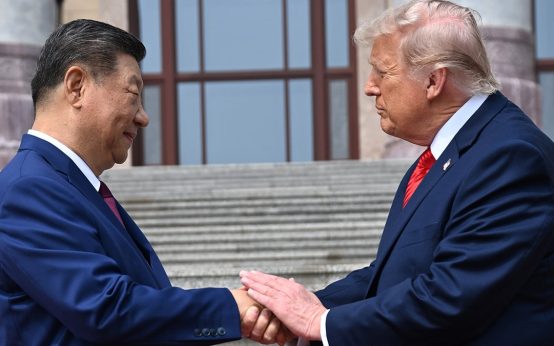 US-China Relations Under Scrutiny: Expert Warns of Escalating Tensions
  No Timeline for End of Iran Conflict
 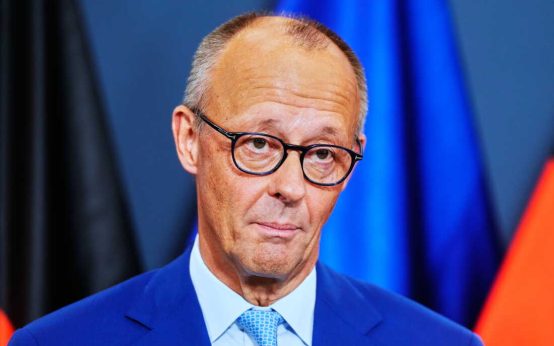 German Chancellor Merz Vows to Pursue Reforms Despite Election Setbacks
  The Technology Rivalry: Trump’s Meeting with Xi and the AI Ecosystem Clash