
Three children’s deaths have been tied to the cessation of funding from the U.S. Agency for International Development (USAID), highlighting critical concerns raised by their families. Abdullahi Ibrahim of Nigeria, aged 10, died following a severe asthma attack. Purity Wamboi of Kenya, 16, succumbed to tuberculosis, while Ibrahim Garba of Nigeria, aged 8, fell victim to typhoid fever. Their parents link these tragedies to the loss of medical services previously supported by USAID.
Abdullahi’s Story: Struggling with Asthma
Abdullahi Ibrahim’s asthma began at age 5 and became increasingly severe over time. His father, Ibrahim Musa, recounts the frequent hospital visits essential for his son’s survival. The family’s access to free treatment was assured by USAID’s financial support, according to Esther Agbo, a nurse who attended to them. At 10, Abdullahi experienced a critical attack, but the crucial medication was no longer free due to halted funding. His father expressed regret that USAID’s continued aid might have saved his son’s life.
Purity’s Unseen Battle with Tuberculosis
In Nairobi, Kenya, Purity Wamboi was a vibrant teenager, until illness struck. Her mother, Rachael Wanjiru, noticed severe coughing and chest pains. Purity attempted to manage her symptoms with simple pain relief, but her condition worsened when she returned to school. Tabitha Mugweru, a health promoter, identified Purity’s symptoms late. Limited resources led to delayed tuberculosis diagnosis, exacerbated by the absence of USAID-funded health workers. Purity’s treatment came too late, leading to her untimely death.
Purity’s mother, Rachael Wanjiru, shared a poignant reflection: “I have felt like a part of me has been taken away.”
Ibrahim’s Battle with Typhoid
Ibrahim Garba, an 8-year-old from Nigeria, faced typhoid, likely contracted from contaminated water. Initially, he received free antibiotics facilitated by USAID funding. Yet incomplete medication led to relapse, and subsequent treatment became unaffordable following the funding cut. Nurse Grace Samuel observed similar scenarios in her clinic, resulting in tragic outcomes. Ibrahim’s family’s struggle with high medication costs ended in devastation.
Shift from USAID to MOUs
The U.S. State Department advocates for memorandums of understanding (MOUs) as an alternative to direct funding, aiming to improve accountability and health infrastructure. However, this new model reduced financial aid by over 20% compared to prior USAID contributions, impacting Kenya and Nigeria’s healthcare stability, as noted by experts like Dr. K.J. Seung.
Analysis of Funding Impact
Brooke Nichols of Boston University suggests over 700,000 deaths — including half a million children — may be linked to the sudden aid cutoff. The abrupt change disrupted trust and health supply chains, emphasizing the need for transitional strategies to prevent such catastrophic losses.
Final Reflections
These bilateral agreements arrived too late for the affected families. Yakubu Garba, Ibrahim’s father, laments, “The day we lost him, it felt like everything stopped working,” underscoring the emotional turmoil experienced by families affected by the funding halt. The absence of USAID’s support undeniably altered lives, leaving parents like Rachael Wanjiru contemplating moving away from painful memories.
 The Cost of Challenging Beijing
 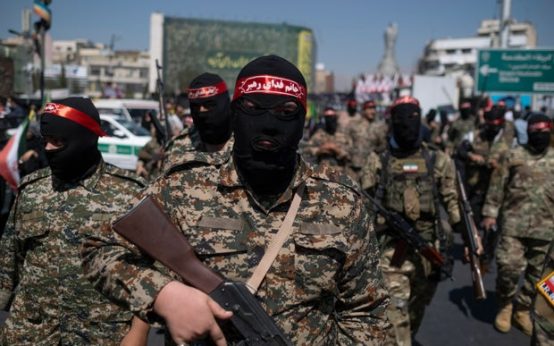 Tensions Escalate in Iran Conflict as Global Leaders Weigh Options
 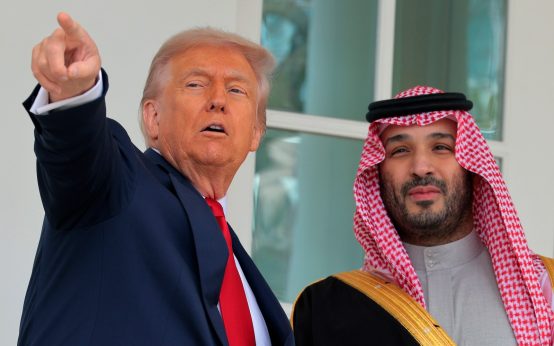 White House Approves F-35 Sales to Saudi Arabia Amidst Regional Tensions
  Inside the Secret Deals Powering the President’s Push to Deport Migrants to Countries Not Their Own
  Navigating the Challenges of Third-Country Deportations
  Midair Altercation on Bangladesh to London Flight