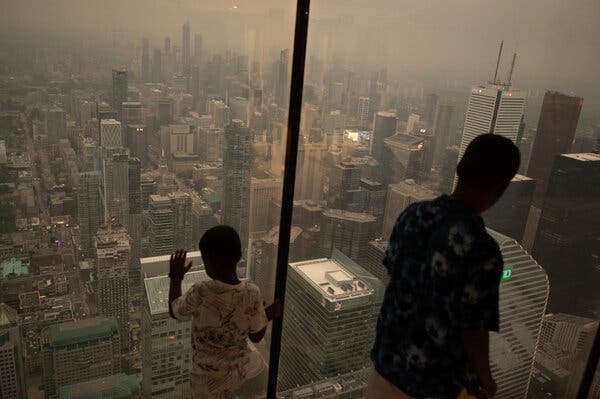
In Canada, wildfires are presenting new challenges as rising overnight temperatures hinder efforts to slow their spread. Traditionally, nighttime offers a vital period for firefighting operations as lower temperatures and higher humidity make it easier to manage fires. Firefighters can deploy equipment like sprinklers and engage directly with smaller fires with reduced risk.
However, this pattern is shifting due to climate change. Randy Schroeder, a fire chief from Alberta, explains that fires now burn just as intensely at night as they do during the day. This 24-hour fire cycle requires crews to adjust their tactics significantly.
The impact of this change is substantial. Maintaining round-the-clock operations increases the costs associated with battling these fires. Crews are also finding it more challenging to contain wildfires during the night, sometimes needing to retreat instead of directly engaging the flames. Schroeder highlights the ongoing adjustments needed as firefighters navigate these tough conditions.
Changing strategies to accommodate continuous high fire activity is becoming crucial. As wildfires persist around the clock, the strain on fire teams intensifies, demanding more resources and adapting to the evolving situation caused by rising temperatures.
 California Prepares for El Niño-Fueled Storms with Emergency Declaration
  California’s Growing EV Adoption: Challenges and Benefits
  Data Centers in Virginia face Growing Opposition
 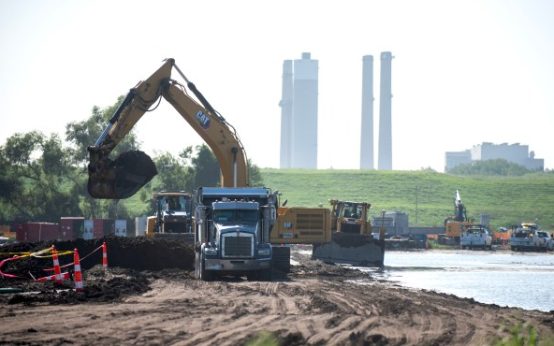 EPA Dismantles Greenhouse Gas Rules, Causing Concern
 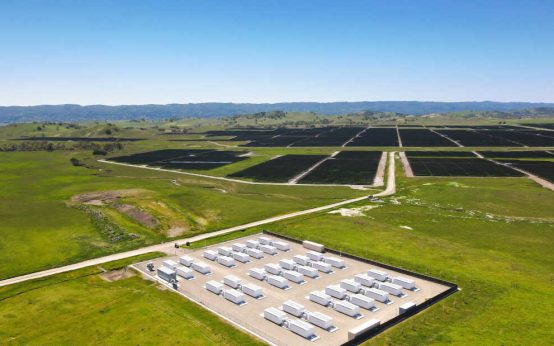 How Battery Innovations Transform Renewable Energy
  Data Centers Stir Controversy in Texas Amid Growth Boom