The upcoming November elections set the stage for potential shifts in Congress. Speculation suggests Democrats might take control, but their majority could depend heavily on the support of left-wing members. With Democrats trailing 215-220 in the House and 47-53 in the Senate, they require a net gain of three House and four Senate seats for control. Historical trends from midterm elections, from 1986-2022, predict Republican losses, yet Republicans are expected to reduce these averages due to strategic advantages such as redistricting and favorable Senate maps.
Despite Republicans prevailing in states’ mid-decade redistricting, likely netting 10 seats, Democrats aim to leverage historical trends. Republicans benefit from a funding advantage, boosted by a Supreme Court decision removing spending limits between candidates and party committees. This funding advantage could limit Democrats’ potential gains.
Even if Democrats win majorities, cooperation challenges may occur with newly elected democratic socialists. In New York, democratic socialists won primaries for safe House seats, supported by endorsements like Mayor Zohran Mamdani’s. Other notable progressive victories include Brad Lander and Melat Kiros’s success in Colorado.
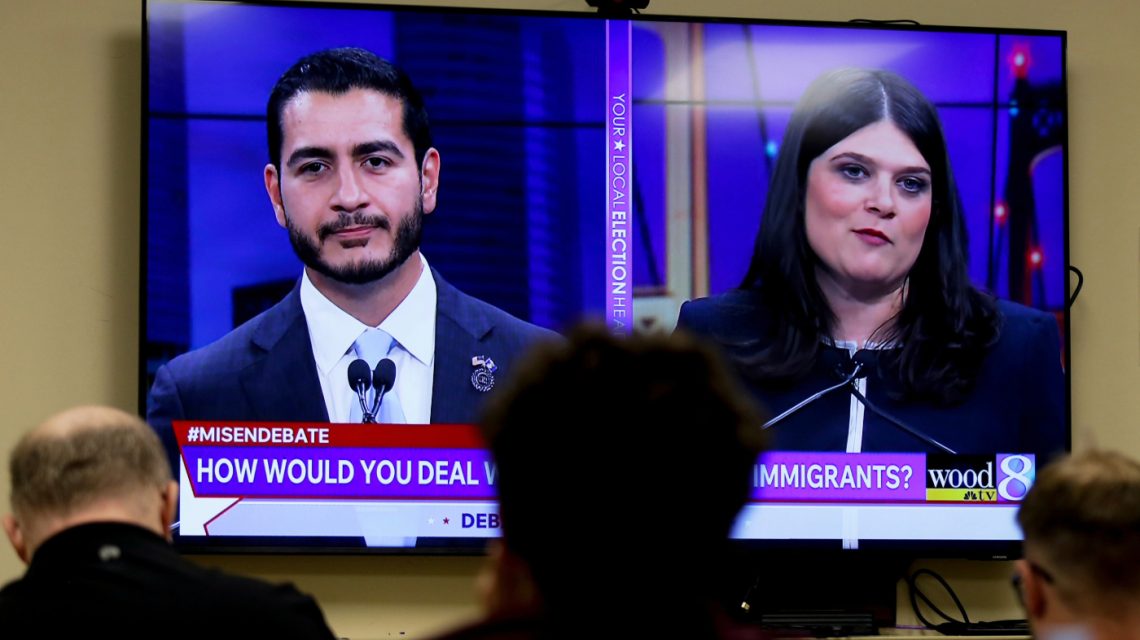
In Senate races, similar dynamics unfold. With Graham Platner’s withdrawal in Maine, subsequent nominations face uncertainties. Texas features left-wing candidate James Talarico as their Senate nominee. Michigan’s Senate primary sees Abdul El-Sayed leading, who previously advocated for defunding police. Success for these candidates could align them with figures like Bernie Sanders and Rashida Tlaib already in Congress.
Small Democratic majorities could amplify the influence of left-wing members in legislative proceedings. With nearly 100 members in the Democratic Congressional Progressive Caucus, their existing influence is evident. The possibility of these members opposing leadership proposals may lead to collaboration with Republicans to block legislation, affecting congressional decisions.
As these dynamics unfold, Democrats may unintentionally allow radicals to become prominent political figures, especially before the 2028 presidential election. Voters aiming to express opposition to the Trump administration’s actions should be aware of the candidates representing such sentiments.
J.T. Young notes in his book, ‘Unprecedented Assault: How Big Government Unleashed America’s Socialist Left,’ the upcoming shift in political influence. As the election approaches, Democrats must navigate potential challenges and ensure their vision aligns with broader party goals.
 Allan Lichtman’s Framework for Assessing Presidential Greatness
 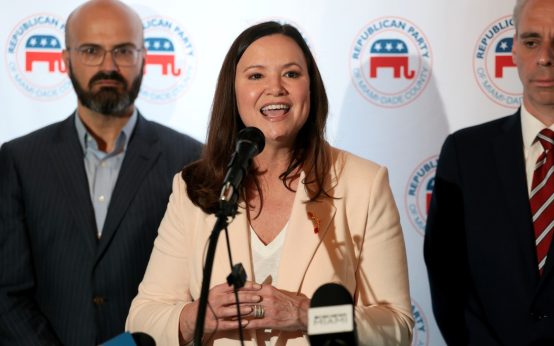 Florida Senate Race Tightens as Recent Polls Show Dead Heat
 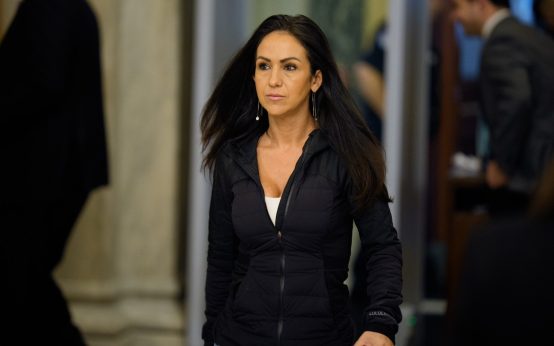 Ethics Complaint Targets Colorado Representative Lauren Boebert
 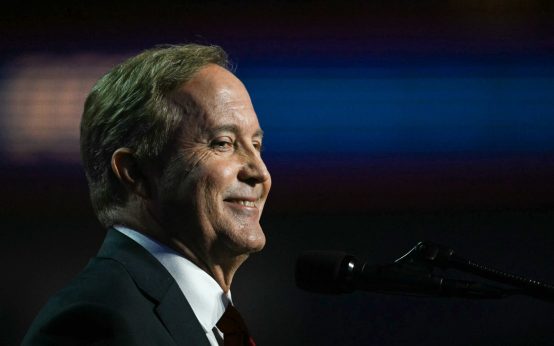 Ken Paxton’s Campaign Funding and Polls
  Inside the Secret Deals Powering the President’s Push to Deport Migrants to Countries Not Their Own
  Independence of Research from Political Agendas