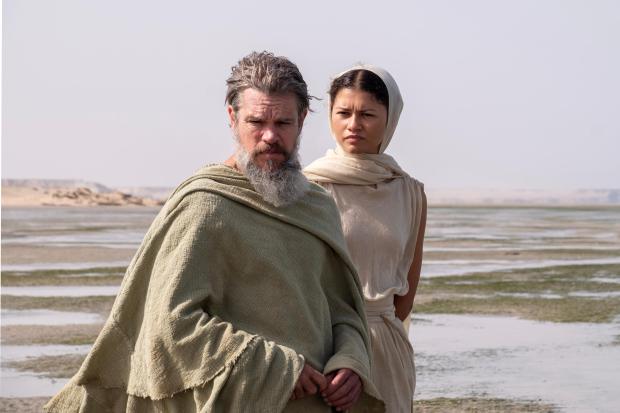
Christopher Nolan has made thrilling films exploring themes such as bombs and bravery in Oppenheimer and Dunkirk, heroes and villains in Batman Begins and The Dark Knight, the complexities of family, time, dreams and mysteries through films like Interstellar, Tenet, Inception, Memento, and Insomnia. His storytelling journey began with Following, a story about a writer, and now culminates in The Odyssey, his 13th film, based on Homer’s epic poem.
Nolan incorporates his cinematic obsessions into The Odyssey, merging thematic preoccupations with spectacular visuals and sound. Borrowing from one of humanity’s oldest stories, Nolan explores trauma and guilt, much like in Oppenheimer. The notorious Trojan horse, akin to a bomb in Nolan’s narrative, is a troubling feat of strategy that haunts Odysseus, portrayed by Matt Damon.
The narrative unfolds around Odysseus’s journey home after a decade of war. His adventures include encounters with mythical beings like cyclops and witches, evading sirens, battling Poseidon, and finding solace with Calypso, played by Charlize Theron. Meanwhile, his family, including Penelope (Anne Hathaway), Telemachus (Tom Holland), and Eumaeus (John Leguizamo), await his return, grappling with the challenges posed by suitors in their castle.
Nolan’s vision presents The Odyssey with immense scope and beauty. Filmed entirely in IMAX across global locations, Nolan’s team, including cinematographer Hoyte van Hoytema, showcases cinematic craftsmanship that brings the myth to life.
The narrative employs flashbacks as Odysseus recounts his tale, revealing a truth about his role as a hero. Through reflection, Odysseus confesses to the dark ramifications of his actions, like the construction of the horse, acknowledging centuries of darkness initiated by their transgressions.
Nolan incorporates modern elements, with characters using contemporary language, reflecting ongoing violence in human history. Matt Damon’s performance highlights universal themes, portraying Odysseus’s complexities as a soldier making difficult choices and grappling with personal grief and shame.
The climactic scene in Hades confronts the accountability of war casualties, a poignant feature absent in Nolan’s earlier war films. This confrontation with the dead challenges audiences to reflect on violence and its impact.
Nolan’s The Odyssey delivers a simple but powerful message amidst grand spectacle, inviting viewers to contemplate the continuous cycle of violence in society. The result is an extraordinary cinematic experience.
Katie Walsh reviews for Tribune News Service. The Odyssey—4 stars (out of 4)
MPA rating: R (for violence and some language)
Running time: 2:52
How to watch: In theaters July 17
 Melanie Griffith Reflects on Wellness Retreat and Career Legacy
  Jennifer Aniston’s Relationship Insights from Relationship Experts
  Kim Kardashian Shares Esophagitis Diagnosis Amid Personal Concerns
 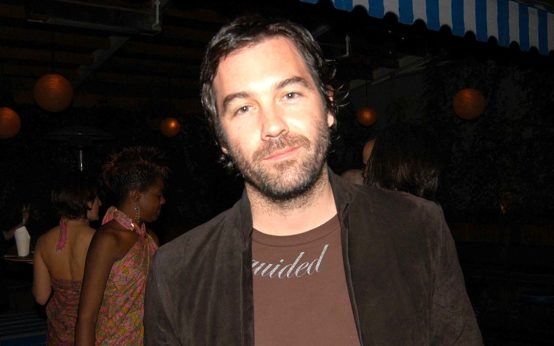 Duncan Sheik, Singer-Songwriter and Broadway Composer, Dies at 56
  Engelbert Humperdinck Reflects on Life-Saving Shoelace During Army Service
  Chad Gilbert of New Found Glory Dies at 45