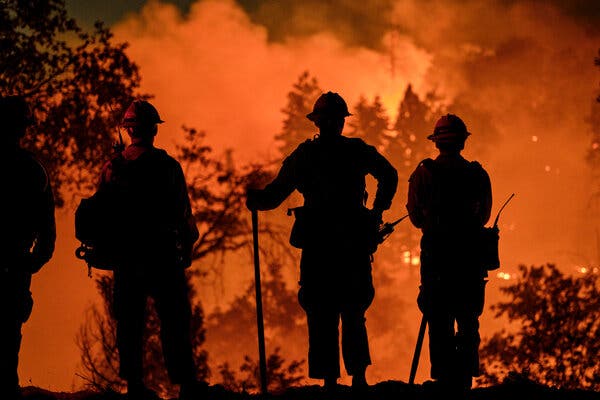
Wildfires can significantly increase levels of smoke, affecting air quality in nearby areas. To ensure your safety, consider these steps.
Check the Air Quality
Maps tracking air quality and wildfire smoke are published by sources like The New York Times. AirNow.Gov and Fire.AirNow.Gov also provide the Air Quality Index (AQI) for specific locations. Understanding the AQI can help you decide whether to limit outdoor activities.
When the AQI exceeds 100, air quality may become unsafe, especially for individuals more vulnerable to health issues. According to the Centers for Disease Control and Prevention (CDC), health effects could occur between levels 151 and 200, with more severe impacts for high-risk groups. An AQI above 200 is deemed “very unhealthy” for everyone. Levels from 301 to 500 represent hazardous pollution, greatly increasing the risk of health problems.
Understand Your Risk
Smoke can worsen symptoms of respiratory conditions, such as asthma and chronic obstructive pulmonary disease (COPD). Be cautious if you have these conditions, particularly during smoky periods. The CDC states that people with other chronic conditions like diabetes, chronic kidney disease, and heart disease also face higher risks from smoke exposure. Pregnant women and children may be at a heightened risk too.
Anyone exposed to wildfire smoke might experience symptoms like coughing, wheezing, headaches, stinging eyes, sore throats, sinus irritation, chest pain, rapid heartbeats, and fatigue.
 Communities Continuing Recovery from Hurricane Helene Explored through Graphic Novel
 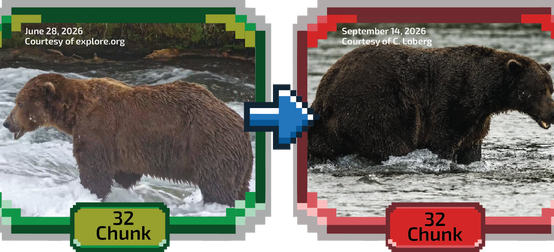 Fat Bear Week 2026 Highlights: Meet the Competitors
  Annual Fat Bear Week Begins at Katmai National Park
  Understanding Hurricane Development
  California Prepares for El Niño-Fueled Storms with Emergency Declaration
  California’s Growing EV Adoption: Challenges and Benefits