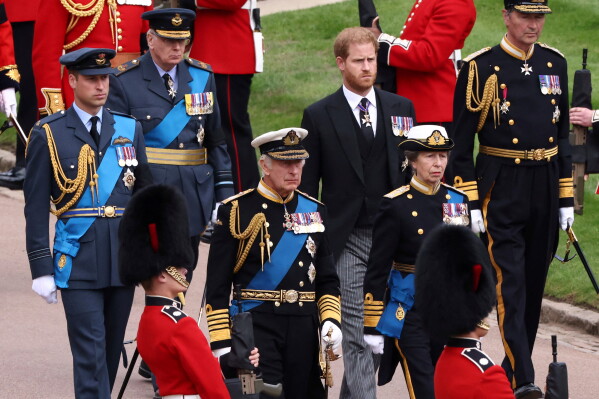
A delegation of Caribbean leaders met with senior clergy from the Church of England to escalate demands for slavery reparations and seek independence for British, French, Dutch, and U.S. territories. The Caricom reparations commission, representing a Caribbean trade bloc, also planned discussions with British lawmakers during a four-day visit to the UK, making it the second official trip focused on reparations since November.
Hilary Beckles, chairman of Caricom’s reparations commission and vice chancellor of the University of the West Indies, stated that the Caribbean remains heavily colonized and that reparatory justice is long overdue. The London meetings followed controversial remarks by a UK lawmaker suggesting former colonies repay Britain for historical investments. Beckles noted that the Caribbean has at least 20 territories with lasting ties to Britain, France, the Netherlands, and the United States.
“I am quite sure the people of the Caribbean will be looking to see whether their king is going to advance this conversation about sovereignty, decolonization and reparatory justice for these crimes that have been committed,” Beckles asserted.
Barbados’ ambassador to Caricom, David Comissiong, stressed that recovering national sovereignty and self-determination must be the first step in reparations. He reported a productive meeting with Church of England officials, who he described as potential allies, and lauded King Charles III for expressing sorrow over slavery’s impact.
Comissiong criticized the UK’s abstention from a UN resolution urging reparations for the slave trade, which was declared a severe crime against humanity. All 27 European Union members abstained, while Argentina, Israel, and the United States opposed the resolution. Comissiong acknowledged some European governments’ efforts such as apologies, memorials, and museums, yet asserted these fall short of proper negotiation given the deep-rooted damage from the slave trade.
Approximately 12 million Africans were forcibly taken by European nations between the 16th and 19th centuries, with survivors enduring harsh conditions as enslaved labor in the Caribbean and elsewhere.
Commission members addressed the media in London before meeting UK parliamentarians. When questioned about criteria for reparations recipients, neither the Caribbean nor the U.S. has clear guidelines. Ron Daniels from the National African-American Reparations Commission noted U.S.-focused reparation talks on land, economic development, and essential infrastructure.
Caricom leaders demand formal apologies, educational and health improvements, Indigenous programs, repatriation opportunities, debt forgiveness, and monetary compensation, among other solutions. In September, Jamaica’s government plans to ask King Charles III to refer legal questions on reparations to the Privy Council, their highest court of appeal.
 The Cost of Challenging Beijing
 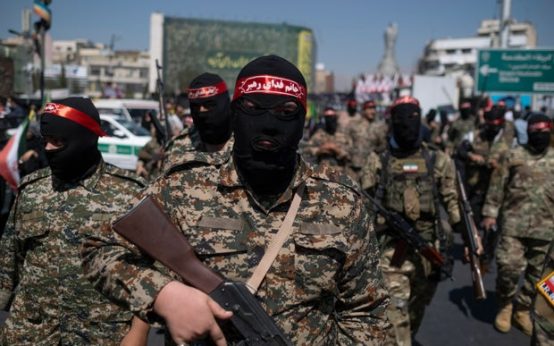 Tensions Escalate in Iran Conflict as Global Leaders Weigh Options
 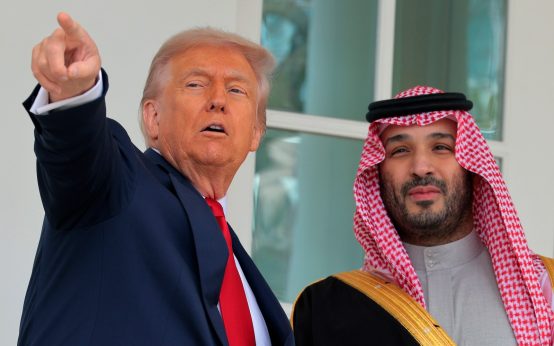 White House Approves F-35 Sales to Saudi Arabia Amidst Regional Tensions
  Inside the Secret Deals Powering the President’s Push to Deport Migrants to Countries Not Their Own
  Navigating the Challenges of Third-Country Deportations
 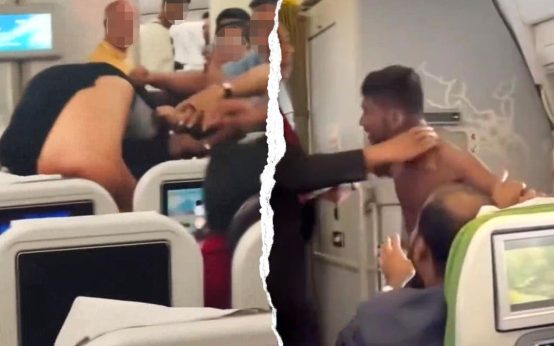 Midair Altercation on Bangladesh to London Flight