Roberto Serrano, an economics professor at Brown University, voiced strong criticism of his university for its delayed response to a significant artificial intelligence (AI) cheating issue involving his students. In a recent opinion piece for The Free Press, Serrano described his shift to online exams following a campus shooting in December. This led to a notable increase in course enrollment, rising to 86 students from a previous high of 30.
Serrano found the average grade for the online midterm to be 96, a sharp rise from the usual average grades of 65 to 80. Further investigation revealed 40 students achieved perfect scores with answers similar to AI-generated responses from ChatGPT.
AI Ban and Examination Changes
In reaction, Serrano decided the final exam would return to in-person format. He also stated that midterm scores could be voided if inconsistent with final scores. Only 59 students took the final, where the average grade plummeted to 48.6, with scores ranging from zero to 95. Of the 27 students who dropped out, 22 had achieved perfect midterm scores, suggesting a strong reliance on AI assistance.
Serrano shared his findings with Brown University’s Committee on the Academic Code and the campus newspaper but received no immediate acknowledgment until his story spread widely. He stressed the importance of addressing AI-induced cheating, stating, “Academia should be a beacon of truth. We must not tolerate low moral standards.”
University’s Response to Cheating Allegations
In response, Brown University claimed it had been ‘consistently responsive’ to Serrano’s concerns and indicated that procedural steps had been activated by July. Still, Serrano argued the university’s actions were prompted only after his story became public. He initially shared his evidence with El Pais, which led to the university contacting him for more details after media exposure.
Serrano expressed relief when the university committed to investigating his claims, crediting public attention for the eventual response. He highlighted that universities like Brown struggle with AI integration challenges.
Implications of AI in Academic Integrity
In his op-ed, Serrano dismissed claims that students used AI to ease academic pressure, describing their actions as deliberate cheating. He stated, “A competitive environment has long existed. There is no justification for using this as an excuse for cheating.” He called for appropriate measures to curb AI-facilitated cheating and create better incentives to deter unethical conduct.
Serrano emphasized the ease with which AI enables cheating today, highlighting the need for institutions to impose measures that promote integrity and ethical behavior.
 Debate Continues Over Virginia’s Data Center Energy Plans
  Trump Suggests Renaming AI to ‘Super Intelligence’
  The Rise of Data Centers and AI Development
  Implications of Stripping Tax-Exempt Status from Schools Engaging in Racial Admissions Policies
  How China Uses AI to Challenge U.S. Dominance
 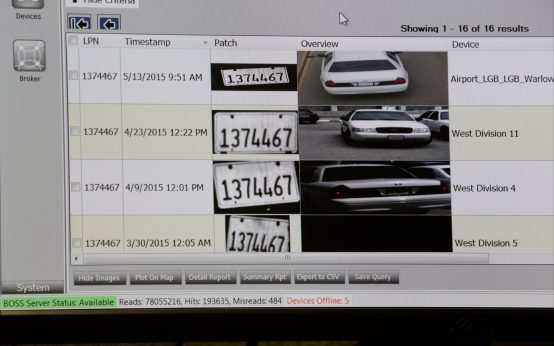 Controversy Surrounding Automated License Plate Readers (ALPRs)