
The end of the U.S.-Iran ceasefire has caused oil prices to rise and created uncertainty around future energy costs.
On Tuesday, the U.S. announced retaliatory strikes on Iran after attacks on three commercial vessels in the Strait of Hormuz. By Wednesday, President Trump declared the ceasefire was “over,” describing negotiations with Iran as “a waste of time.” The U.S. then stated plans for further strikes on Iran.
By Wednesday evening, crude oil prices had surged. U.S. benchmark West Texas Intermediate (WTI) traded at roughly $75 per barrel, while Brent Crude, the international benchmark, traded at about $79 per barrel. These prices had increased from about $69 and $72 on Monday, though still below peaks during earlier conflicts when prices reached up to $120 per barrel.
“The market is pricing in ‘a slightly increased chance of problems in exporting oil,’ but I wouldn’t be surprised if tomorrow or the next day there’s more news that lessens the effects of this.”
Robert Weiner, professor of international business at George Washington University, shared these thoughts on the volatile market conditions. Meanwhile, Ken Medlock from Rice University’s Baker Institute highlighted the pivotal role of the Strait of Hormuz, a crucial oil transit chokepoint off Iran’s coast, in determining the total impact on global oil prices.
Over the coming days, oil prices might “creep up,” Medlock indicated, contingent on whether oil shipments navigate the Strait successfully.
This situation brings attention to current energy policies. The U.S. has launched 25 “Freedom Fuel” gas stations to offer Americans a more affordable option. In addition, U.S. airlines experienced a second month of fuel costs above $6 billion in May.
Further, other reports have flagged issues within the energy sector from outlets such as E&E News, while Reuters warns of potential deadly weather in Europe due to a new heatwave.
 California Prepares for El Niño-Fueled Storms with Emergency Declaration
  California’s Growing EV Adoption: Challenges and Benefits
  Data Centers in Virginia face Growing Opposition
 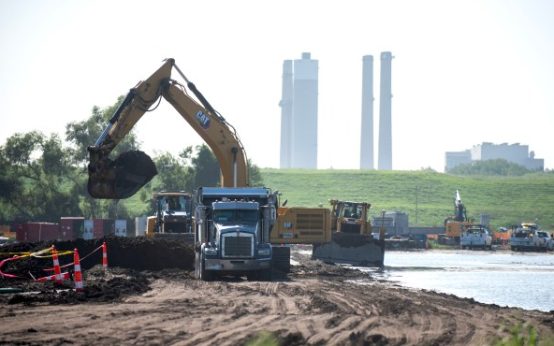 EPA Dismantles Greenhouse Gas Rules, Causing Concern
 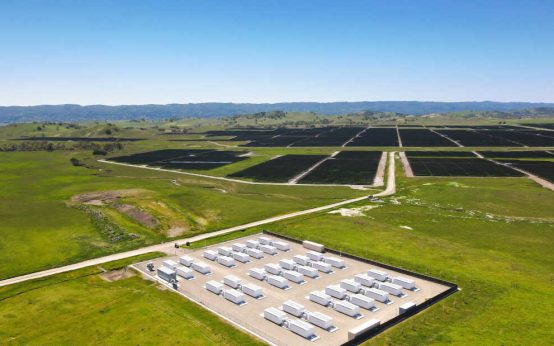 How Battery Innovations Transform Renewable Energy
  Data Centers Stir Controversy in Texas Amid Growth Boom