
Iran’s Recent Actions
On Wednesday, Iran’s military announced attacks on U.S. military sites in Bahrain and Kuwait. This followed U.S. airstrikes on Iranian targets and reinstated sanctions on Iranian oil sales. The Pentagon stated these strikes were in response to Iranian attacks on commercial vessels in the Strait of Hormuz. The conflict has put a strain on negotiations between Washington and Tehran, affecting energy supply routes.
Iran’s Response
The Khatam al-Anbiya Central Headquarters, part of the Iranian military, labeled U.S. strikes in Iran’s south as an act of aggression, warning of a strong retaliatory response. Iranian state media broadcasts reiterated warnings to the U.S. about interfering in managing the Strait of Hormuz.
Iran’s Islamic Revolutionary Guards Corps targeted 85 U.S. military sites in Bahrain and Kuwait, also claiming to have downed an American MQ-9 drone. The Kuwait Army confirmed intercepting missiles and drones, without specifying their origins.
U.S. Military Actions
U.S. Central Command reported over 80 strikes on Iranian targets, aiming to degrade air defense systems and anti-ship missile capabilities, targeting 60 Revolutionary Guard Corps boats that threaten international commerce.
Strait of Hormuz and Global Oil Dynamics
Tehran has not taken responsibility for recent attacks on commercial vessels, including a Saudi tanker and Qatari carrier. Mohammad Bagher Ghalibaf accused the U.S. of violating a preliminary accord and criticized reinstated sanctions. Negotiations between the two nations will resume after a pause for Ayatollah Ali Khamenei’s funeral.
Impact on Oil Prices and Market Reactions
The hostilities have driven oil prices up nearly 5%, with Brent crude approaching $76 a barrel, and the national average price of gas rising to $3.79 a gallon. Markets reveal resilience, with tech companies’ performance more influential on stock trends than the conflict’s economic implications.
Despite disruptions, shipping through the Strait saw 36 vessels transit on Monday. Yet, concerns remain over Iran’s potential mine threat and strategic control efforts.
Financial Markets and A.I. Evolution
Global stock markets showed mixed responses, with attention on tech advancements surpassing war distractions. Investor sentiment remains optimistic about A.I. growth, despite caution over Iran-related uncertainties. Some strategists predict a relief rally if tensions de-escalate.
The era of bullying and extortion is over. It leads nowhere. We don’t fold.
Iran’s military, while uncompromising in its stance, indicated the potential for retaliatory measures. U.S. and Iranian actions continue to signal precarious engagements in transitioning dynamics within the Persian Gulf.
 The Cost of Challenging Beijing
 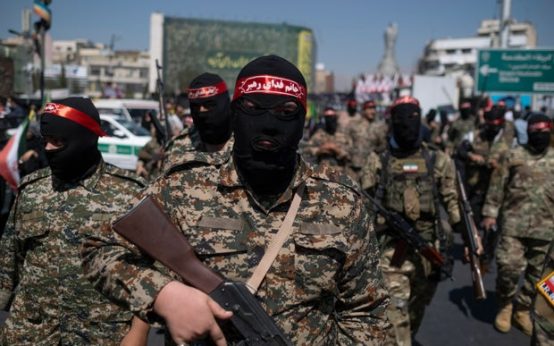 Tensions Escalate in Iran Conflict as Global Leaders Weigh Options
 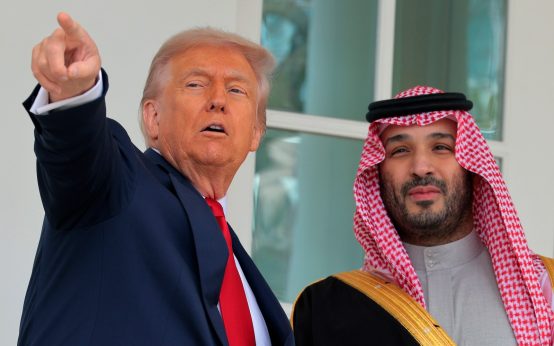 White House Approves F-35 Sales to Saudi Arabia Amidst Regional Tensions
  Inside the Secret Deals Powering the President’s Push to Deport Migrants to Countries Not Their Own
  Navigating the Challenges of Third-Country Deportations
  Midair Altercation on Bangladesh to London Flight