
Many who watch “9-1-1: Nashville” might think the city’s constantly hit by tornadoes. While the show exaggerates, Nashville does regularly face dangerous storms. During such events, people often turn to Nashville Severe Weather for reliable updates.
This group of volunteers is known for their live storm coverage on social media. They explain storm paths, give timely alerts, and announce when threats are over. Founders Will Minkoff, Andrew Leeper, and Tom Johnstone connect with tens of thousands of viewers, filling a gap left by traditional media.
Professor Kevin Trowbridge from Belmont University highlights this shift. His students prefer sources like Nashville Severe Weather for quick, mobile updates. Their approach is direct and calming, avoiding sensationalism often found in local TV weather reports.
A Unique and Trustworthy Approach
Nashville Severe Weather began over a decade ago, originally as a Twitter feed and blog. It evolved into a YouTube channel, with volunteers living in Nashville and facing the same weather risks as their audience. This shared experience fosters trust.
Leeper’s calm demeanor, even during personal emergencies, exemplifies their steady approach. Katherine Moffat noted their ability to relay critical information calmly without inciting panic.
Increased Demand Due to Shifting Tornado Patterns
The need for services like Nashville Severe Weather has grown. Johnstone, a meteorology veteran, states that the traditional “Tornado Alley” has shifted eastward, increasing risks in places like Tennessee.
Michelle Stewart values their service. It provided essential information during a severe ice storm that left many without basic services. She appreciates the straightforward, neighborly way they communicate complex weather situations.
Former city councilman Brett Withers calls them indispensable. Newcomers to Nashville, unfamiliar with tornado risks, find their clear guidance crucial.
A Simple But Effective Model
Nashville Severe Weather’s popularity challenges typical social media success models, focusing on function over form. The group doesn’t use flashy graphics or chase extreme weather for entertainment. Instead, they share detailed radar images and simple, honest communication.
Graphics like the “Dry Air Monster”—a humorous stick figure illustration—explain weather phenomena easily. This simplicity connects with viewers, turning complex meteorological data into understandable information.
Filling a Local Information Gap
Their hyperlocal focus distinguishes them from broader TV weather reports. Coverage drills down to specific neighborhoods, providing highly relevant updates. This specificity allows users to make informed decisions during storms.
Their service is interactive. Audience members contribute images and videos of local conditions, enhancing accuracy. This information feeds back into the broadcast, assisting both viewers and official agencies like the National Weather Service.
On one occasion, Leeper paused a broadcast to address concerns from schoolchildren home alone due to a tornado threat. Such interactions highlight their community-focused mission.
Personal connections and community engagement keep them grounded. After local tragedies, like the 2023 tornado causing fatalities, Leeper attended victims’ services. These experiences underscore the real-world impact of their work.
 Communities Continuing Recovery from Hurricane Helene Explored through Graphic Novel
 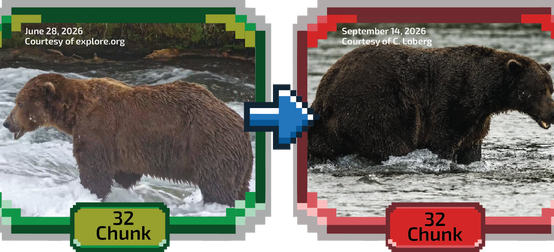 Fat Bear Week 2026 Highlights: Meet the Competitors
  Annual Fat Bear Week Begins at Katmai National Park
  Understanding Hurricane Development
  California Prepares for El Niño-Fueled Storms with Emergency Declaration
  California’s Growing EV Adoption: Challenges and Benefits