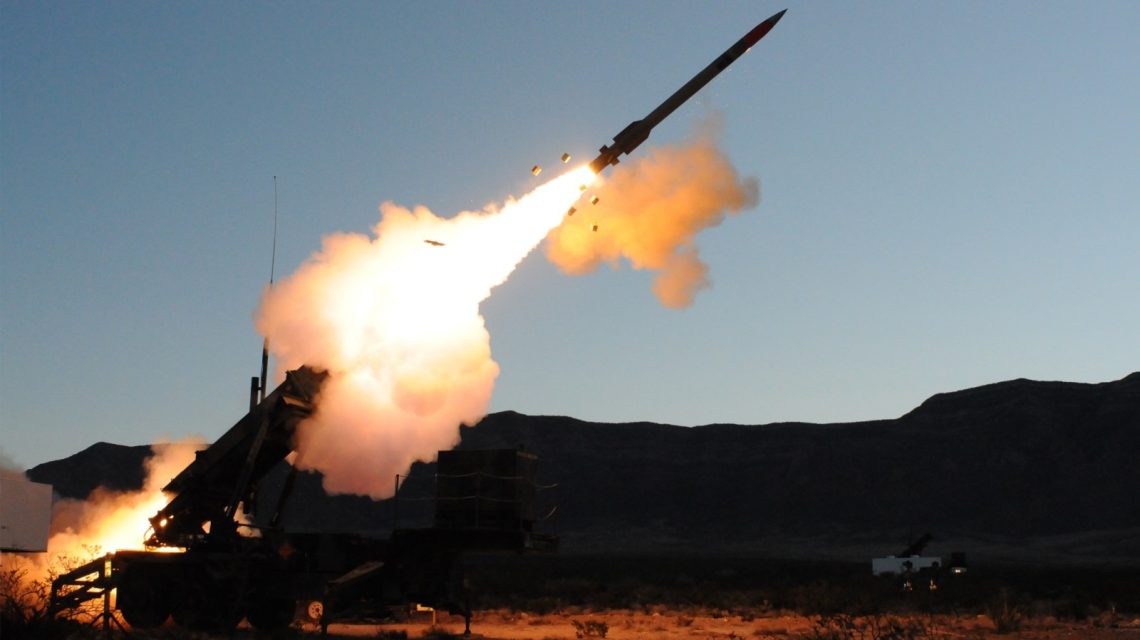
Increased Attacks on Kyiv
Recent Russian missile strikes on Kyiv have been some of the deadliest in the ongoing conflict between Russia and Ukraine. Ukrainian President Volodymyr Zelensky has expressed concern over a shortage of Patriot interceptor missiles, highlighting this issue at the NATO summit to rally support for Ukraine’s defenses. Following Russian attacks that killed dozens, Zelensky urged allies to bolster air defense commitments. He aimed to meet with NATO Chief Mark Rutte to discuss this further. However, reports indicate the U.S. has depleted nearly half of its Patriot and THAAD interceptors, previously used in the Iran conflict. This poses a challenge, as NATO members might need alternative sources for defense.
“All the interceptors used up in the Middle East really strained global PAC-2 and PAC-3 stocks,” said Yuriy Boyechko, CEO of Hope for Ukraine.
Strain on Ukraine’s Air Defense
Ukraine’s air defense is under severe stress due to the shortage of interceptors. The situation is reminiscent of the early days of the full-scale invasion in 2022. The use of drones alongside ballistic missiles has put additional pressure on Ukraine’s command to make strategic decisions regarding what to protect. Allies have become more cautious in transferring remaining stocks, leaving Ukraine vulnerable to missile attacks.
Zelensky has criticized the U.S. priorities after learning about 800 Patriot missiles used during a brief period of the Iran conflict. This figure contrasts with what Ukraine has received since 2022. The Center for Strategic and International Studies reported that the U.S. expended a significant portion of its critical munitions inventory during the Iran conflict. This has implications for the U.S.’s ability to supply missiles to Ukraine and other allied nations.
Turkey’s Role in NATO
Turkey holds a significant position within NATO due to its military size and strategic location near Eastern Europe and the Middle East. By controlling the Black Sea through the Montreux Convention, Turkey has blocked Russian naval reinforcements. However, Turkey’s relationship with the Trump administration raised concerns about the U.S. commitment to NATO. Former President Donald Trump emphasized defense spending and criticized NATO members for insufficient contributions. Despite this, Trump’s invitation to the NATO summit by Turkey’s President Recep Tayyip Erdoğan underscores Turkey’s geopolitical influence within the alliance.
Geopolitical analyst Yörük Işık emphasizes Turkey’s critical role in stabilizing NATO but acknowledges concerns regarding Turkey’s relationship with Russia and China. Sinan Ciddi from the Foundation for Defense of Democracies warns against U.S. defense transfers to Turkey, citing potential risks due to Turkey’s ties with Russia, particularly after acquiring the Russian S-400 system. Ciddi also highlights the skepticism some NATO members express privately about Turkey’s ability to address the threat from Russia effectively.
As the NATO summit continues, attention will focus on potential military agreements and ongoing support for Ukraine’s defense capabilities. Talks include the possibility of U.S. sales of advanced defense technology to Turkey, subject to Congressional approval, while balancing considerations over Turkey’s international alliances.
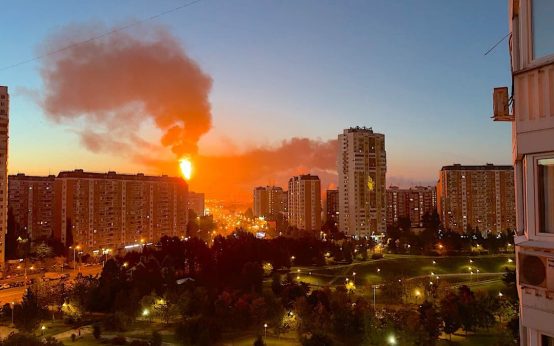 Ukraine Missile and Drone Barrage Hits Russia Amidst Elections
  U.S. Strategic Goals Remain Unmet Amid Prolonged Conflict
  New Photos Reveal Damage from Iranian Strikes in the Middle East
  Assassin of Chilean Diplomat Orlando Letelier Faces Deportation 50 Years After Assassination
  Gorillaz and Macklemore Respond to Controversy Over Israel-Palestine Statements
  Investigation into Lion Deaths in Tanzania