
Summers are becoming increasingly warmer. This change affects more than ice cream cones; it poses significant challenges for people around the world. Frequent heat waves are becoming deadlier, with some experts predicting that the current summer will be among the coolest in our lives.
Duane Stilwell has experienced this firsthand. Five years ago, he settled in Guadalupe, Arizona, hoping it would be his last move. Throughout his 68 years, Stilwell has moved multiple times, having lived in Mexico, worked in Ohio and Illinois as a railway switchman, and taught school in California and New York. Now, he feels exhausted by the constant moving. However, rising temperatures are causing him concerns. Last year, Maricopa County experienced 113 consecutive days over 100°F. The heat affected the productivity of his fig trees and led to the death of some cacti in his yard. Tragically, one of his neighbors succumbed to heatstroke. Stilwell worries that he may need to relocate again.
The extreme heat is not confined to Arizona. Across the U.S., since 1980, the average number of heat waves has doubled, while the duration of these seasons has grown from 40 to 70 days. Experts predict that future summers will bring even higher temperatures.
Expert Advice on Staying Safe
NPR’s Short Wave podcast consulted heat experts Kim McMahon from the National Weather Service and Nick Staab, the incident commander for extreme heat response in Arizona’s Maricopa County. They recommend various strategies:
- **Avoid outdoor activities** during the hottest parts of the day when possible.
- Utilize the **NWS’s HeatRisk tool**. This service evaluates outdoor conditions using local climatology and CDC data to forecast potential heat-related risks.
- **Stay hydrated** and take cold showers to help your body stay cool.
- **Install dark curtains** at home to block sunlight effectively.
For broader community measures, public health departments can enhance access to cooling and respite centers. These centers should remain open as frequently as possible, and the community should be well-informed about their locations and access. An example is Maricopa County’s Heat Relief Network.
Suggestions from Climate Scientists
Climate scientist Justin Mankin advises adopting “heat days” similar to snow days, which could involve canceling school, camps, or sports events when heat risks are particularly elevated.
On a larger scale, a concerted effort by corporations and nations to reduce greenhouse gas emissions is crucial. Doing so could mitigate the driver behind these increasingly hot summers.
This episode is a part of Nature Quest, a monthly segment from Short Wave that addresses listeners’ questions about environmental changes. If you have a question about your local environment, send a voice memo with your name, location, and question to [email protected]. Your query might be featured in the next episode.
Listeners can enjoy every episode of Short Wave free from ads and support NPR by signing up for Short Wave+ at plus.npr.org/shortwave. Access Short Wave on Spotify and Apple Podcasts.
The episode was produced by Hannah Chinn and Rachel Carlson, edited by Rebecca Ramirez, fact-checked by Tyler Jones, and engineered by Jimmy Keeley.
 Communities Continuing Recovery from Hurricane Helene Explored through Graphic Novel
 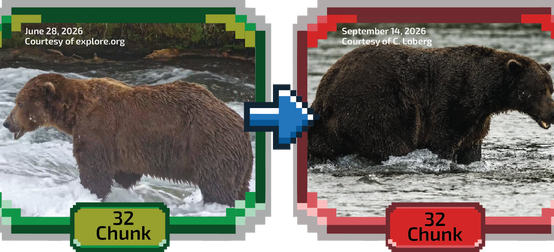 Fat Bear Week 2026 Highlights: Meet the Competitors
  Annual Fat Bear Week Begins at Katmai National Park
  Understanding Hurricane Development
  California Prepares for El Niño-Fueled Storms with Emergency Declaration
  California’s Growing EV Adoption: Challenges and Benefits