
NCAA President Charlie Baker stated that the organization’s policy regarding transgender athlete participation will likely remain unchanged despite a recent Supreme Court decision. The high court ruled 6-3 in favor of West Virginia and Idaho, maintaining that student-athletes must compete on teams that match their biological sex at birth.
Baker made these comments on CBS’ “Face the Nation.” He indicated the NCAA’s aim to align its policies with a national standard, referencing guidance from the Trump administration. “I don’t think so,” responded Baker when asked about potential policy changes. He emphasized the need for clarity at a national level regarding standards applied to eligibility in college sports.
In February 2025, the NCAA altered its gender-eligibility policy following an executive order signed by then-President Donald Trump. This order, “No Men in Women’s Sports,” overturned a 2010 policy, now stating that athletes assigned male at birth may practice with NCAA women’s teams and receive corresponding benefits.
Critics argue that the policy lacks stringent measures to protect female athletes, asserting that it affords a loophole by allowing changes to birth certificates. Currently, 44 states permit alterations to birth certificates to reflect a change in birth sex. Among these, 14 states, including California, New York, Massachusetts, and Michigan, do not require medical documentation for the change.
States such as Florida, Texas, Kansas, Oklahoma, Tennessee, and Montana do not permit such modifications to birth certificates. This disparity highlights the complexity surrounding gender identity policies at both state and national levels.
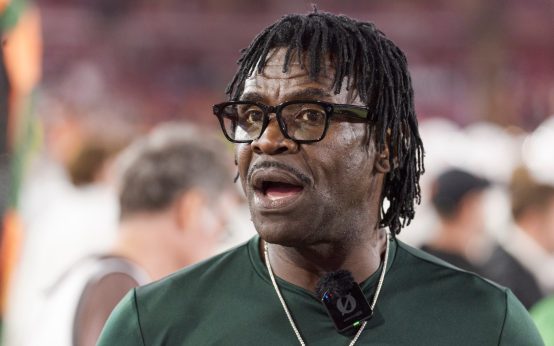 Late Field Goal Clinches Victory for Ravens over Cowboys
  WWE’s New Partnership with Bleacher Report Promises Global Content Reach
 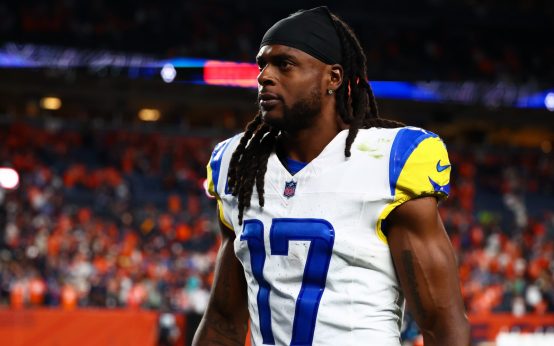 Rams Off to a Slow Start After Broncos’ Late Win
 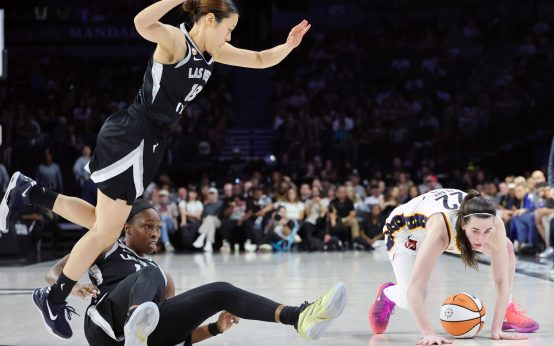 Caitlin Clark’s Return to WNBA Playoffs Faces Challenges Against Defending Champs
  Cam Schlittler to Lead Yankees in Wild-Card Series Against Red Sox
  Monday Football Highlights and Community Insights