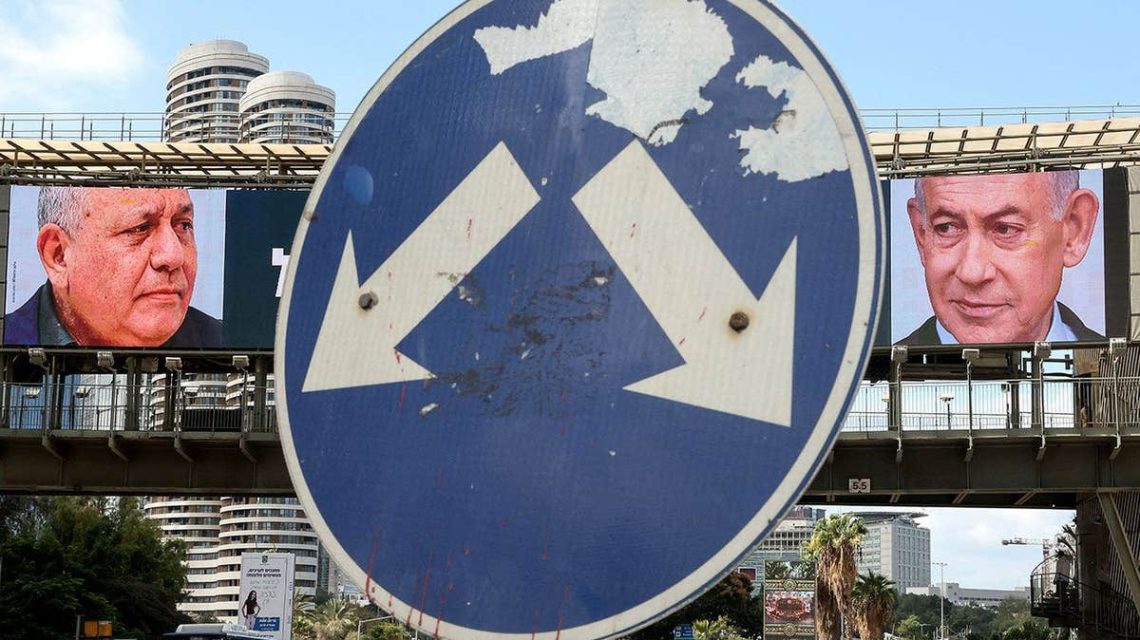
Tel Aviv, Israel – Israeli Prime Minister Benjamin Netanyahu’s coalition fell short of a parliamentary majority, with rising support for Arab parties giving opposition enough votes to challenge his rule.
With 93.8% of ballots counted, Netanyahu’s bloc was projected to win 53 seats in the 120-member Knesset. The opposition bloc led by Gadi Eisenkot was at 48 seats, while two Arab parties were projected to gain a combined 19 seats, offering a potential 67-seat anti-Netanyahu majority.
Netanyahu’s Likud remained the largest party with 26 seats; Eisenkot’s Yashar party and Naftali Bennett’s Beyachad followed with 21 and 12 seats, respectively.
Neither Netanyahu nor Eisenkot had the 61 seats needed to form a government alone, pointing to tough coalition talks or possible new elections.
Arab voter turnout surged to approximately 80%, reshaping Israel’s political landscape. This was reflected in the Joint List and Ra’am parties gaining 11 and 8 seats, respectively, nearly doubling their previous representation.
Overall voter turnout reached 77.7%, the highest since 1999. Increased Arab participation could significantly determine the next government.
Although Eisenkot and other opposition leaders ruled out including Arab parties in their coalition, their support might allow opposition to replace Knesset Speaker Amir Ohana, increasing their legislative control.
The political climate intensified with allegations of foreign interference from Qatar, aimed at influencing voter turnout in Arab areas.
Allegations claimed Qatari funds transferred through channels used by terrorists reached Arab communities. No independent verification or evidence of foreign financing or election crimes exists.
Shin Bet Director David Zini presented intelligence to Justice Noam Sohlberg of the Central Elections Committee, prompting an investigation.
Qatar denied the allegations, accusing Israeli politicians of using the nation as a scapegoat for political failures. Doha stressed non-involvement and continuing diplomatic efforts.
Central Elections Committee Director Dean Livne rejected the speculative claims, stating the elections followed legal and systematic processes.
Likud had previously questioned Arab parties’ electoral legitimacy before Qatari allegations emerged. It argued that cooperation with the Arab parties was unacceptable following suspected foreign interference.
Eisenkot considered foreign involvement a significant threat and urged thorough investigations. He accused Netanyahu’s allies of undermining election legitimacy.
Kommentators warned against assuming the allegations would annul election results, suggesting instead they might prompt coalition talks.
Opposition leader Yair Golan pushed for a new government formation, emphasizing the necessity to act according to voter will.
Another possible outcome involves a unity coalition between Netanyahu’s Likud and Eisenkot’s Yashar party, excluding far-right and Arab parties. This alignment might meet preferences of figures close to Donald Trump.
Challenges in unity arrangements include previous pledges by Eisenkot against joining Netanyahu, warnings from far-right partners, and disagreements over issues like military conscription.
For now, investigations of alleged foreign interference proceed alongside efforts for coalition negotiations with no parliamentary majority evident. Netanyahu remains as a caretaker prime minister until a new government forms.
 Record Breaking Spending in Midterms Reflects Intense Political Battle
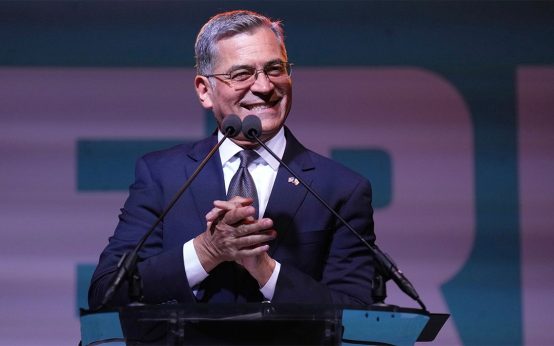 California’s Political Crossroads: Steve Hilton vs. Xavier Becerra
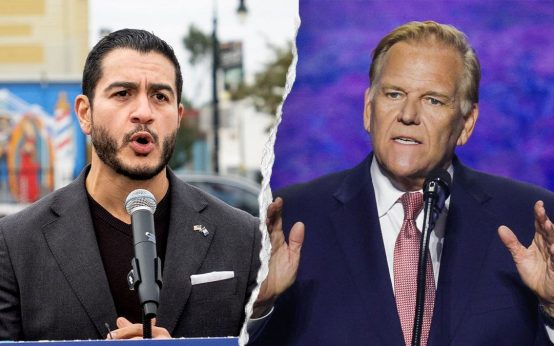 Tensions Rise in Michigan Senate Race Over Antisemitism Allegations
 Pentagon Leadership Changes: Army Secretary Resignation and Alleged Leaks
 Key Senate Race Developments and Impacts of El Niño on Weather
 U.S. and AI: Navigating the Path Forward Amid Global Competition