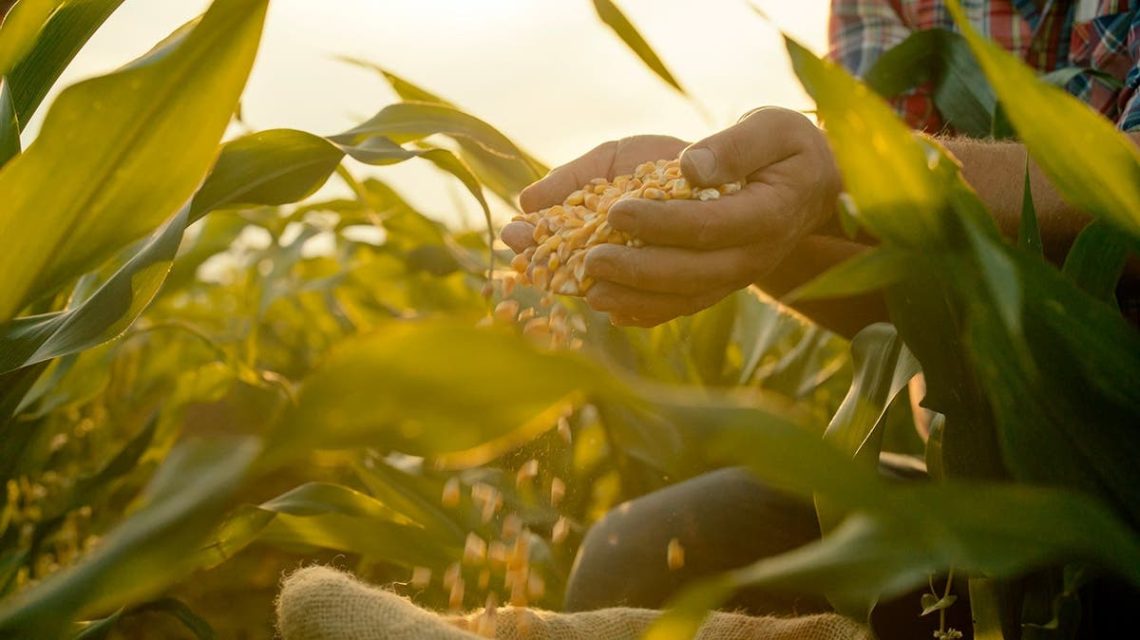
Many eating habits from colonial America have returned to popularity today. Colonists focused on whole, minimally processed foods sourced locally. Organ meats were a regular part of their diet.
European explorers and settlers introduced livestock and numerous Old World crops to North America long before the nation’s founding. Early settlers adapted their European cooking traditions to local ingredients, according to the Center for the Study of the Presidency and Congress (CSPC).
Indigenous peoples played a crucial role by introducing corn to the colonists, making it a staple ingredient in many recipes. Other important crops included beans, squash, and potatoes. Cornmeal was used in dishes like hasty pudding, a thick porridge, and johnnycakes, simple griddle cakes popular across the colonies.
The CSPC has documented recipes for foods like cornmeal johnnycakes and roast pork, representing distinctly early-American dishes. The abundance of corn, taught to settlers by Indigenous peoples, became central to their diet.
Diets varied by region, influenced by customs and available crops. In the South, rice and okra thrived, reflecting French and African culinary influences. Northern regions were settled by Dutch, English, and German immigrants, each contributing to regional traditions. Maryland settlers often had seafood-based diets, according to NPR.
Local historian Joyce White explains that meat was a status symbol at the time. Wealthy families valued beef, while common folk reserved chickens for egg production.
Thomas Jefferson, a Founding Father, enjoyed French wine and macaroni and cheese. His diet also included black-eyed peas, turnip greens, and ham.
Salted and preserved meats were common among working-class diets, while luxuries like white flour and sugar were for the upper classes. Recently, more Americans are again seeking diets with whole, minimally processed ingredients similar to colonial times.
The Make America Healthy Again movement promotes organ meats due to their affordability and nutritional value. Stews changed as new ingredients became available, highlighting evolving colonial tastes.
Adrian Miller, author of “The President’s Kitchen Cabinet,” notes that colonists consumed large amounts of alcohol. Brewing eliminated harmful bacteria, making small beer a popular daily drink.
George Washington even penned a recipe for “small beer,” which had low alcohol content, making it a safe, everyday beverage.
“While the 1776 Diet has positives like whole foods and home cooking, it’s not recommended to follow too strictly,” said Lisa R. Young, a dietician at New York University.
Young advised focusing on fruits, vegetables, beans, whole grains, fish, and lean proteins for a healthy diet. She noted that colonial reliance on preserved and organ meats was born out of necessity and may not align with modern nutritional recommendations.
Enjoying the diet of the Founding Fathers might be interesting for historical celebrations, but Young cautioned against emulating their drinking habits. Some consumed large quantities of ale, even in the morning.
 Family Mourns the Loss of Presley Gerber
  Pickle-Flavored Snacks Surge in Popularity: A Social Media Driven Craze
  Wedding Photographer’s Unexpected Amazon Purchase
  Unsupervised Play: The Benefits Over Commercialized Youth Sports
  Friendly’s: From Ice-Cream Shop to Iconic Chain Facing Modern Challenges
  Florida Man Claims ‘Lion Diet’ Transformed Health and Life