
Aedes albopictus, or the Asian tiger mosquito, has been increasingly observed in various neighborhoods. This trend suggests a larger change in mosquito populations and behaviors.
Mosquitoes are considered the deadliest animals globally. In certain areas, such as eastern Massachusetts, residents like Abigail Krich-Starr have noted a rise in mosquito activity. “Spending time in our backyard has become more challenging each year,” Krich-Starr mentions.
In 2024, a data analysis by the Washington Post indicated that mosquito seasons in parts of the US have extended by several days or weeks. This extension suggests mosquitoes are thriving in new regions. Doug Bidlack, an entomologist in the Boston area, attributes these changes to warmer and wetter weather, factors closely tied to climate change. Such weather conditions contribute to altered mosquito behavior and habitat shifts. They may also affect how pathogens develop in mosquitoes.
Protecting Against Mosquitoes
Vivian Zeng, the director of public health for Sudbury, Massachusetts, offers several preventive measures:
- Check local mosquito surveillance to understand the risk in your area.
- Consider rescheduling outdoor activities from dusk to dawn when mosquito activity peaks.
- Wear long sleeves and pants to minimize skin exposure.
- Use EPA-approved DEET repellents or permethrin sprays on clothing and gear.
These steps help in reducing mosquito encounters and related health risks.
This article is part of Nature Quest, a Short Wave segment addressing listener inquiries about environmental changes. Share your questions by sending a voice memo to [email protected] with your location and query. You may feature in future episodes.
Support NPR’s work by subscribing to Short Wave+ on plus.npr.org/shortwave. Listen to Short Wave on Spotify and Apple Podcasts.
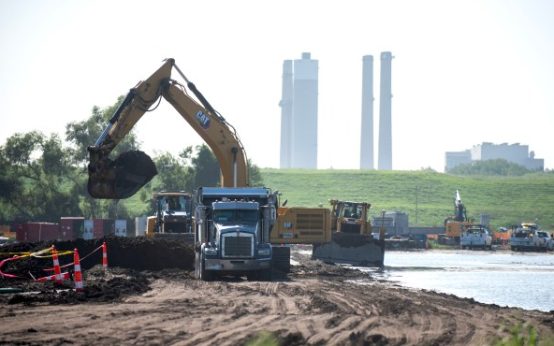 EPA Dismantles Greenhouse Gas Rules, Causing Concern
 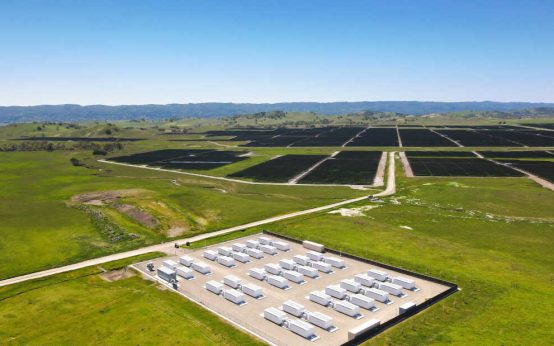 How Battery Innovations Transform Renewable Energy
  Data Centers Stir Controversy in Texas Amid Growth Boom
 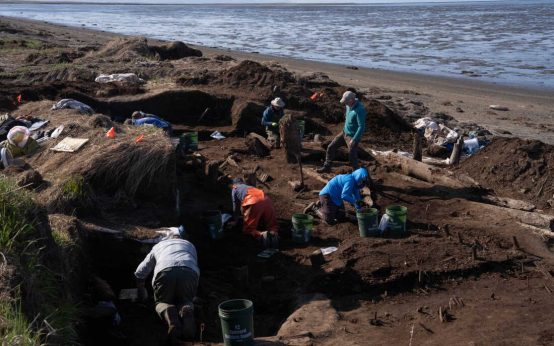 Urgent Archaeological Efforts in Quinhagak Stay Ahead of Erosion
 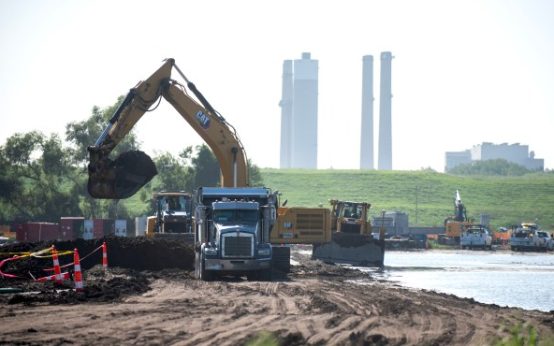 Concerns Rise Over NIPSCO Permit In Jasper County
  Reader Reactions on Grizzlies and Data Centers