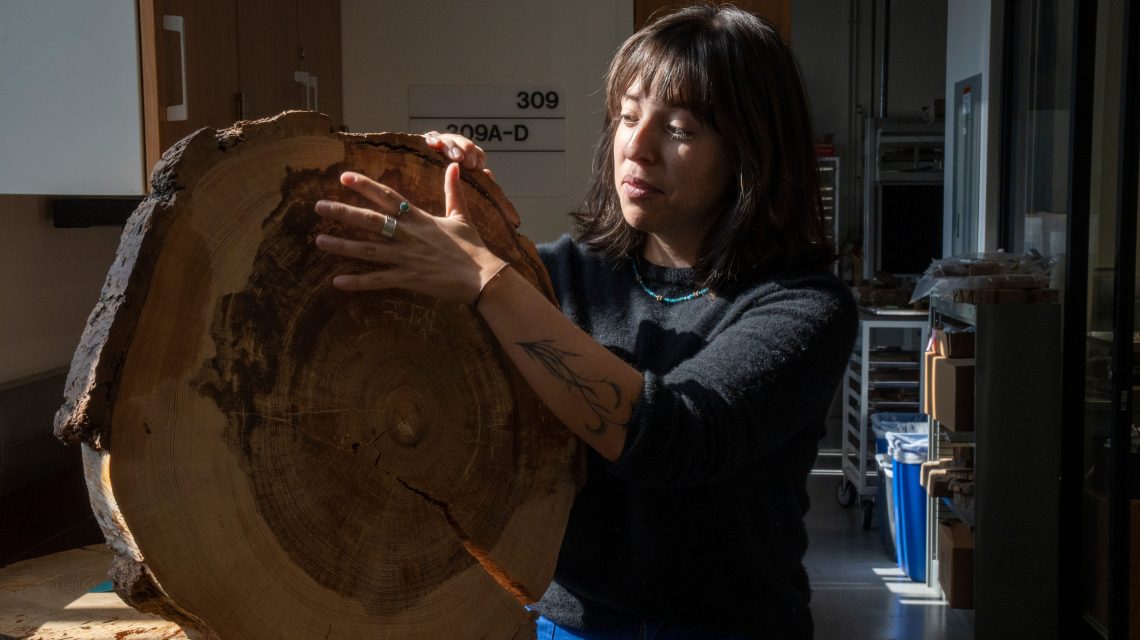
Tree cores extracted from some of the world’s oldest trees have expanded our records of past weather. As we navigate the 2026 hurricane season with a strong El Niño potentially altering global weather patterns, trees will continue documenting these changes. Tree scientists find the evidence within tree rings revealing past climate events to be fascinating. These rings offer insights into not only a tree’s age but also the storms, droughts, and wildfires it endured.
In regions such as Alaska, Arizona, and across the globe, tree scientists are diligently building a comprehensive data collection. This collection chronicles past natural disasters and provides potential insights into future patterns. Narrow tree cores, about the width of a pencil, extracted from ancient trees, help extend records of past weather events far beyond what modern satellite imagery can show. The width, density, and spacing of tree rings in cross-sections document floods, droughts, and hurricane occurrences.
As the nation marks its 250th anniversary, tree scientist Nicole Davi reflects on living trees that have been around since 1776 and the stories they hold. Known as ‘witness trees,’ Davi, a professor at William Paterson University and adjunct scientist in the Tree-Ring Laboratory at the Lamont-Doherty Earth Observatory, emphasizes their vital role in chronicling history.
Identifying the Right Trees
Venturing into the forest is an aspect Valerie Trouet treasures in her work, especially in isolated mountainous regions. Discovering ancient trees in such pristine environments is an unparalleled experience. Trouet, a professor in the Laboratory of Tree-Ring Research at the University of Arizona, shares the excitement of encountering rings that narrate centuries-old stories. Her book, “Tree Story,” published in 2020, delves into these adventures.
Researchers target specific regions for tree studies based on the questions they seek to answer. For drought research, for instance, regions where growth depends heavily on moisture prove crucial. The U.S. Southwest exemplifies this, where trees grow extensively during wet years but show limited growth in dry periods. The rings in these dry years appear narrow.
Under a microscope, core samples from trees sensitive to temperature changes can reveal evidence of historic volcanic eruptions. Patterns of reduced growth due to blocked sunlight and cooling are clearly visible, illustrating impacts from regions as vast as Mongolia to Canada and Alaska. Trees from boreal forests, which grow slowly, are of particular interest to scientists examining climate trends.
Building Historical Records
Utilizing tree ring data to explore events like El Niño bridges the gap in understanding our climate history before the advent of satellite technology. With a limited number of El Niño cycles in modern data, broadening the data set by including tree cores from various regions affected by El Niño improves analysis of these climatic phenomena.
Tree rings not only provide evidence of past hurricane impacts but also insights into recent storms. For instance, studies using tree rings showed how Hurricane Harvey’s intense flooding in Texas influenced tree growth and accentuated the intensification of rainstorms. Observations indicate tree growth declines in the year following a hurricane, with evident damage such as leaf and limb loss captured in their rings.
In coastal areas like New York and New Jersey, Davi discovered hurricane evidence in aged, resilient trees. Historical records from these trees reveal the infrequency of major hurricanes, highlighting the value of an extensive record in understanding hurricane occurrences.
Researchers also utilize tree data to examine wildfire patterns in regions like the Pacific Northwest during El Niño years and the Southwest during La Niña years. Tree rings provide clarity on the breadth and prevalence of historical wildfires.
Trees continue to record events that demonstrate their resilience to weather challenges. Davi expresses anticipation about future insights trees might unveil regarding events shaping our histories.
For further inquiries, Dinah Voyles Pulver, a national correspondent for USA TODAY, covers topics on climate change, weather, and the environment. Contact her at [email protected] or on social platforms via @dinahvp on Bluesky or X, or dinahvp.77 on Signal.
 Ice Age Mastodon Tooth Unearthed in California Creek
  EPA Dismantles Greenhouse Gas Rules, Causing Concern
  The Unique Challenges of the Pumpkin Toadlet
  How Battery Innovations Transform Renewable Energy
  Data Centers Stir Controversy in Texas Amid Growth Boom
  Urgent Archaeological Efforts in Quinhagak Stay Ahead of Erosion