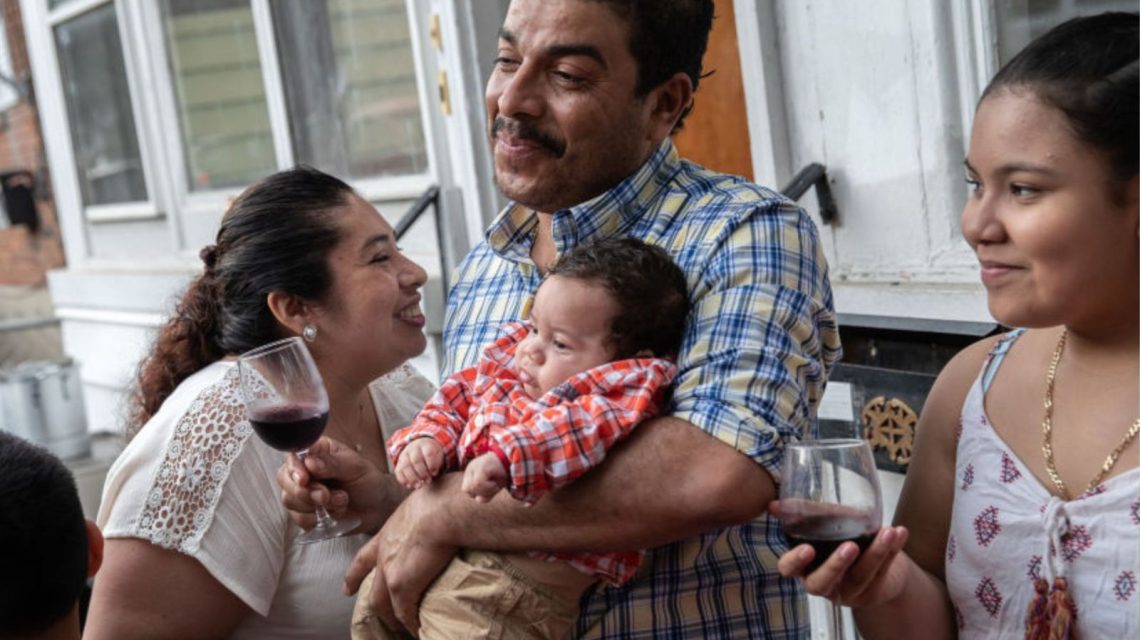
The Supreme Court is nearing the end of its term, with a dozen opinions yet to be released. One significant case involves President Donald Trump’s executive order aimed at limiting birthright citizenship.
Understanding the Birthright Citizenship Lawsuit
Shortly after beginning his second term, Trump signed an executive order titled ‘Protecting the Meaning and Value of American Citizenship.’ This order seeks to deny automatic citizenship to children born in the U.S. if their parents are neither American citizens nor lawful permanent residents.
Birthright citizenship is entrenched in the U.S., supported by Section 1 of the 14th Amendment, which asserts: ‘All persons born or naturalized in the United States, and subject to the jurisdiction thereof, are citizens of the United States and of the State wherein they reside.’ The administration contends that ‘subject to the jurisdiction thereof’ excludes children of undocumented immigrants and certain visa holders. Federal courts have blocked Trump’s executive order, preventing its implementation.
The matter reached the Supreme Court as Trump v. Barbara, a case that heard arguments earlier this year. Trump has criticized the Supreme Court in social media posts, predicting unfavorable outcomes on birthright citizenship.
‘A negative ruling on Birthright Citizenship, on top of the recent Supreme Court Tariff catastrophe, is not Economically sustainable for the United States of America!’ Trump posted on Truth Social in May. In April, he remarked, ‘If they [the Supreme Court] rule against our Country on Birthright Citizenship, which they probably will, it will be even worse, if that’s possible. It will cost America massive amounts of money but, more importantly, it will cost America its DIGNITY!’
Anticipated Timeline for Supreme Court’s Decision
The Supreme Court usually finalizes its opinions by late June or early July before its summer recess. It is uncertain if the birthright citizenship case will be part of the upcoming announcements scheduled for Thursday at 10 a.m. EST. The decision is expected no later than early July.
Global Perspectives on Birthright Citizenship
Trump frequently claimed the U.S. is the sole nation providing birthright citizenship, which is inaccurate. According to the CIA World Factbook, about 30 countries do so, including many in the Americas. Nations like Mexico, Argentina, Brazil, Chile, and others offer forms of birthright citizenship.
In contrast, most European, Asian, and African nations follow jus sanguinis, granting citizenship based on ancestry or combining ancestry and territorial criteria. Countries such as Germany and France may confer citizenship under specific conditions. Countries like Japan, China, and Saudi Arabia traditionally do not provide automatic citizenship based on birth within their borders.
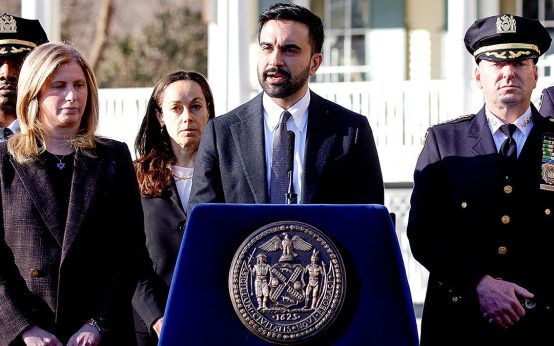 New York City Mayor Stands Firm on NYPD Commissioner Amid Controversy
  Bass and Raman Clash in Final Debate Before Election
  Analyzing the L.A. Mayoral Debate: Key Takeaways
 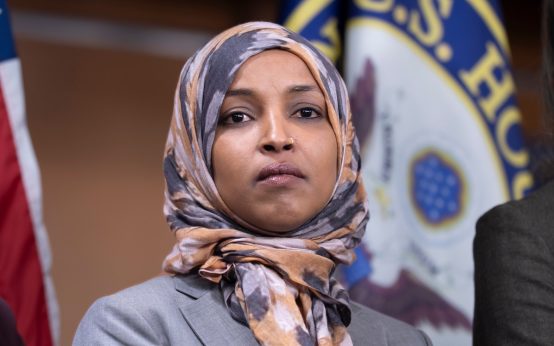 Federal Investigations and Political Tensions Surround Ilhan Omar
  Chevalier’s Remarks on ICE Shooting Spark Debate
 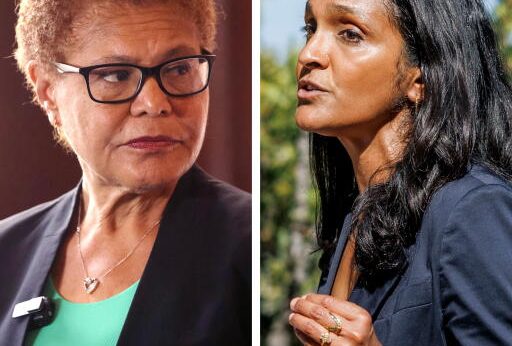 L.A. Mayoral Debate: Bass vs. Raman