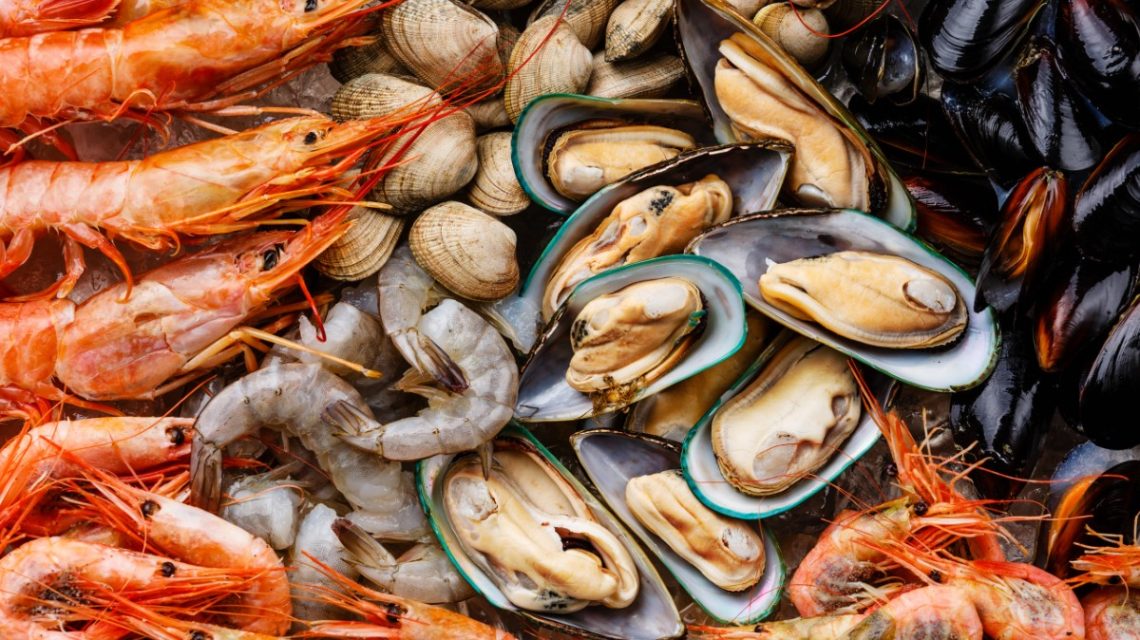
The U.S. Fish and Wildlife Service (FWS) has implemented a significant change in the definition of “shellfish.” The long-standing requirement for species under this classification to have an external shell has been removed. This regulatory update, published on June 23 in the Federal Register, modifies the language in the Code of Federal Regulations to better reflect contemporary scientific understanding and industry standards. As a result, squid, cuttlefish, octopus, and other cephalopods are now included within the regulatory definition of shellfish. This redefinition aims to resolve ambiguities in classification that have previously led to inconsistent treatment of mollusks and similar species at U.S. ports of entry. The updated definition will officially take effect on July 23, 2026.
What the Rule Changed
Previously, federal regulations defined shellfish as “any species of mollusk having a shell.” This requirement was deemed outdated and inconsistent with current biological classification. The revised definition now recognizes shellfish as aquatic invertebrates within the phylum Mollusca. This includes species such as oysters, clams, squid, and octopus, along with crustaceans like lobster, shrimp, and crab. The key modification is the removal of the phrase “having a shell.” This alteration allows the inclusion of cephalopods, which may have internal, reduced, or no external shells, thereby reducing regulatory confusion at U.S. ports and in wildlife trade enforcement.
Why It Matters for Trade and Regulation
Prior definitions led to inconsistent treatment of cephalopod shipments, complicating enforcement of import and export laws. Industry groups have advocated for this change in recent years. The U.S. Small Business Administration’s Office of Advocacy highlighted the difficulties faced by squid harvesters due to the ambiguous classification, leading them to bear unnecessary regulatory and financial burdens. U.S. businesses engaged in squid exports and imports incur various fees and costs, including a $93 base inspection fee for each squid shipment and a $100 license, among others. The Office noted that smaller businesses struggle more than larger ones to absorb these costs, recommending collaboration between NOAA and FWS to reclassify squid as either “shellfish” or “fishery products” to eliminate duplicated regulations.
The Mid-Atlantic Fishery Management Council also pushed for this change in 2020, emphasizing the redundancy and costliness of licensing and inspection requirements imposed by FWS oversight on U.S. squid producers. They noted that nearly all other U.S. commercial fishery products are exempt from these regulations, which are primarily aimed at preventing unauthorized trade of endangered wildlife. The Council recommended reclassification to exclude squid from USFWS inspections and fees.
What It Means for People With Allergies
Though the change is regulatory, not medical, the rule acknowledges the clinical treatment of cephalopods. Squid, octopus, and cuttlefish are frequently listed among foods linked to shellfish allergies in medical literature, despite lacking external shells. For those with shellfish allergies, the update does not introduce new risks but affirms existing medical knowledge. The rule may help alleviate labeling and trade terminology confusion, clarifying that these species are part of the shellfish category from a risk and classification viewpoint.
 Communities Continuing Recovery from Hurricane Helene Explored through Graphic Novel
  Fat Bear Week 2026 Highlights: Meet the Competitors
  Annual Fat Bear Week Begins at Katmai National Park
  Understanding Hurricane Development
  California Prepares for El Niño-Fueled Storms with Emergency Declaration
  California’s Growing EV Adoption: Challenges and Benefits