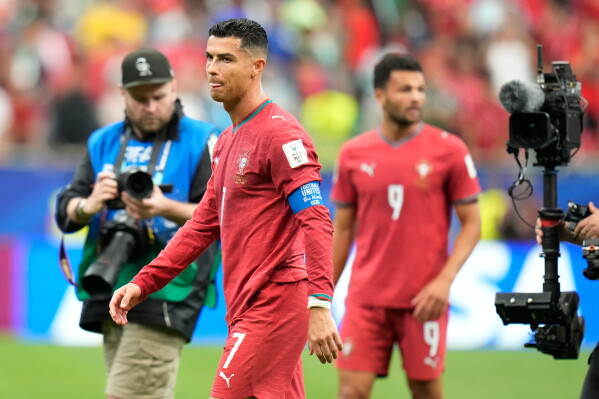
The World Cup in Guadalajara, Mexico has seen a remarkable increase in goals, making it one of the highest-scoring tournaments in history. Compared to previous World Cups, there has been nearly a 25% rise in scoring.
Reasons Behind the Surge in Goals
One factor contributing to the higher scores is the new ball designed by FIFA. This ball features deep seams for optimal in-flight stability. Players and coaches note its high velocity, making it harder for goalkeepers to save. Additionally, the ball’s grip improves performance in wet or humid conditions.
“This ball is as fast as a cannonball. I think today and the last couple of days, you saw if you kick the ball in the right position, it’s extremely difficult to save,” said Austria coach Ralf Rangnick.
Games have extended due to longer stoppage times. Hydration breaks, introduced this year, allow for more scoring chances. The tournament’s expansion to 48 teams has slightly widened the talent gap. Colombia coach Néstor Lorenzo highlighted better protection for attackers, contrasting with previous decades when rough play was common.
Notable Scoring Statistics
In the first 40 games, fans saw 121 goals, many from well-known international players. Premier League players have been the most prolific, contributing over half of the goals. The English Premier League, along with the leagues in Germany and Spain, led the scoring.
A notable match over the weekend was between the Netherlands and Sweden, with all six goals scored by Premier League players. Gabriel Martinelli of Brazil commented on the World Cup’s intensity compared to the Premier League, appreciating the tournament’s high-quality matches.
Clubs Producing Top Scorers
Clubs like Real Madrid, Inter Miami, and Liverpool have seen their players scoring significantly. Lionel Messi from Inter Miami scored five goals in two games. English clubs contributed nearly 30 goals, while German league players scored 16, and players from the Spanish league added 11 more. French and Italian leagues contributed seven and five goals respectively. MLS players scored eight times, with contributions from players like Petar Musa, Matías Galarza, and Finn Surman.
There were 200 club-level players from England, nearly double the 109 players from Germany as announced in the official squad releases. Real Madrid players, including Kylian Mbappé and Vinícius Júnior, added seven goals in total. Liverpool players like Cody Gapko and Mohamed Salah increased their club’s tally. Bayern Munich had four goals thanks to players like Harry Kane and Jamal Musiala. Manchester City, with 19 players called up, has goals from Erling Haaland.
Overall Scoring Averages
With 121 goals from 88 players in 40 games, there is an average of three goals per game. Only three matches ended 0-0, and eight goals were own goals. The current tournament is on track to surpass the record of 172 goals set in Qatar 2022. This edition features 104 matches, compared to 64 in 2022, setting it on pace for nearly 194 goals.
This scoring trend continues beyond the World Cup, with the Champions League setting high averages of 3.27 and 3.47 goals per game in the 2024-2025 and 2025-2026 seasons respectively.
 The New York Knicks Face Decisions as Championship Camp Begins
  Caleb Williams Avoids Major Injury, Chicago Bears Relieved
 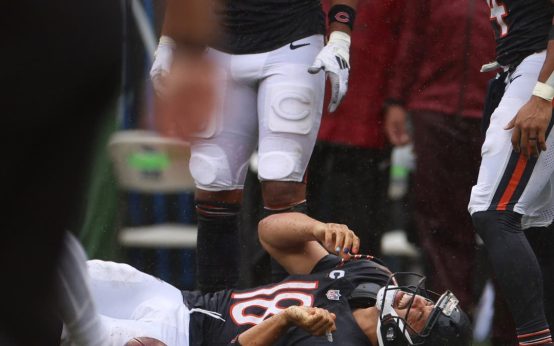 Caleb Williams Injury Update: Chicago Bears Quarterback Escapes Major Setback
  Bettors Reflect on Recent Plays and Monday Night Football
  Chicago Blackhawks’ Rookie Roman Kantserov Tackles Shortened Training Camp
  Owen Crouch’s Breakout Moment for Jacobs