
Prime Minister Keir Starmer of Britain declared his resignation on Monday. He acknowledged a rebellion within his party and accepted the challenge to his leadership.
Mr. Starmer will remain as prime minister until a new party leader is chosen by September. He chose not to fight to keep the role he assumed nearly two years ago. This decision paves the way for Britain’s seventh prime minister in a decade, marking ongoing political instability since the 2016 Brexit vote.
In a brief statement outside No. 10 Downing Street, Mr. Starmer voiced his emotions. He remarked, “The question my party is asking now is whether I am best placed to lead us into the next general election.” He continued to say he accepted his party’s decision “with good grace.” He informed His Majesty the King of his decision.
The anticipated successor to Mr. Starmer is Andy Burnham, who won a special election last week. Mr. Burnham, a former mayor of Greater Manchester, gained considerable support in the Makerfield district, securing almost 55% of the vote.
Mr. Starmer started as prime minister in 2024 when Labour achieved a significant parliamentary majority, ending 14 years of Conservative governance. Despite the victory, Labour’s share of 34% was the lowest on record, leading analysts to term it a “loveless landslide.”
In his remarks, Mr. Starmer cited improvements in the economy, healthcare investments, military spending, and reduced illegal immigration as key achievements. He emphasized, “change promised, fought for, and delivered by a Labour government.”
Nevertheless, Mr. Starmer’s time in office appeared marked by declining political support. He often seemed weak and indecisive, struggling to maintain control over his own party. Mr. Starmer initially vowed to resist any leadership challenge, but he eventually recognized the political reality of his situation.
“I will do everything I can to ensure an orderly handover of power,” he said. “I will also give my successor my full and unequivocal support, knowing that they will inherit a Britain that is far stronger and fairer than the one I inherited two years ago.”
Mr. Starmer grappled with political challenges from early in his tenure. A sluggish economy reduced his popularity. His opponents often highlighted his tendency to backtrack on policies under pressure from critics, the public, and the media.
This year, Mr. Starmer’s political standing was further damaged by his decision to appoint Peter Mandelson as ambassador to the United States, despite Mr. Mandelson’s association with convicted sex offender Jeffrey Epstein.
The tipping point came with the significant Labour losses in English local elections and the Scottish and Welsh Parliaments in May. Over 1,400 Labour candidates lost their council seats, with many voters blaming Mr. Starmer for their decision.
The Labour Party’s internal conflicts offer opportunities for its political rivals as a leadership contest begins. Nigel Farage, leader of Reform U.K., a right-wing populist party, is calling for a general election.
Mr. Farage stated on social media, “Reform demands an election, and we are ready.” He questioned Labour’s choice to simply replace one professional politician with another.
Andy Burnham has yet to respond publicly to Starmer’s announcement. Starmer has requested that the Labour Party initiate the process to replace him as leader on July 9. Although this might slow Burnham’s momentum, it provides him time to refine his agenda.
Reactions to Starmer’s resignation are pouring in. Maryam Eslamdoust, leader of the rail and transport union, supported Starmer’s decision, remarking, “The Labour Party now has an opportunity to pivot to policies this country and working people desperately need.”
Former U.S. President Donald Trump weighed in, criticizing Starmer regarding immigration and energy policies on TruthSocial.
Financial markets remain stable following Starmer’s resignation plans. The pound has slightly declined but has recovered from earlier lows.
European Commission President Ursula von der Leyen praised Starmer for strengthening security and relations with the EU, saying, “It can take many leaders years to grow into the statesman you became in just two years.”
Currently, Labour’s main contenders to succeed Starmer are men. Despite its progressive identity, Labour has never had a permanent female leader. In contrast, Britain’s three female prime ministers were Conservatives.
Starmer’s resignation raises questions about Britain’s foreign policy outlook. The leading candidates lack significant foreign policy experience required to navigate current global unrest.
Analysts at Deutsche Bank note that Starmer’s resignation coincides with the 10-year anniversary of the Brexit vote. Political turmoil since 2016 highlights challenges for incumbents who face financial realities that impact their electoral success.
Attention now turns to Burnham’s next steps. Options include negotiating with potential challenger Wes Streeting or pursuing an open leadership contest.
In his speech, Starmer declared he accepted his colleagues’ desire for new leadership “with good grace.” He also defended his achievements, emphasizing progress in economics, health care, and social policies.
Starmer’s resignation is part of the volatile political landscape post-Brexit. His announcement marks another chapter in Britain’s rapid cycle of leadership changes.
The exact timing of Starmer’s departure remains uncertain. He intends for nominations to open on July 9, with a new leader elected by September. If Burnham stands uncontested, he might assume the role as early as July.
The news is a significant development. Less than two years ago, Starmer secured a majority victory for Labour. Now, he prepares to leave Downing Street soon.
Starmer expressed rare emotion, crediting his family for their support and promising to dedicate his future to them.
Starmer concluded his announcement by stating he prioritized his love for the country in his decisions, already having informed King Charles III of his resignation.
The announcement sets the timeline for Starmer’s departure amid leadership pressures.
Starmer’s resignation as Labour’s leader marks a pivotal moment. His address emphasized his contributions to the party and government’s goals.
 Israeli Leader’s Upcoming U.N. Assembly Speech Marked by Controversy
  Republicans Call for Quick Resolution to Iran Conflict
  United States Secures Arctic Defense Pact
  Senator Warren Seeks to Restrict Private Equity in Restaurant Chains
 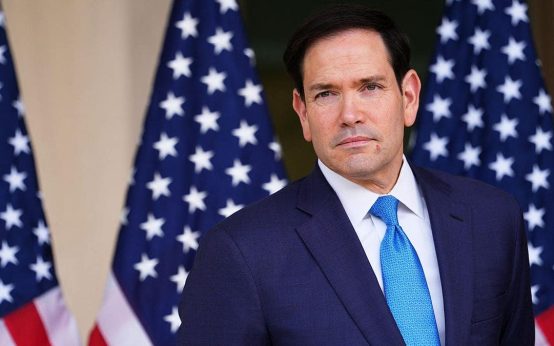 Marco Rubio’s Expanding Role in Trump Administration
 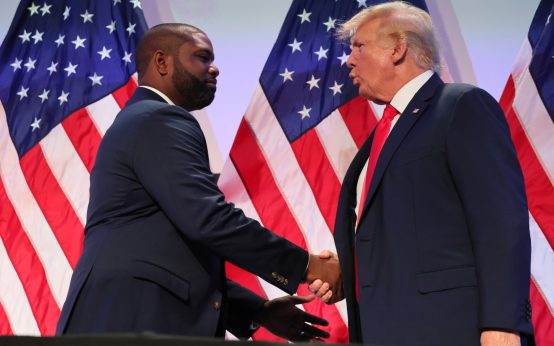 Byron Donalds Adjusts Campaign Strategy as Florida Governor Race Intensifies