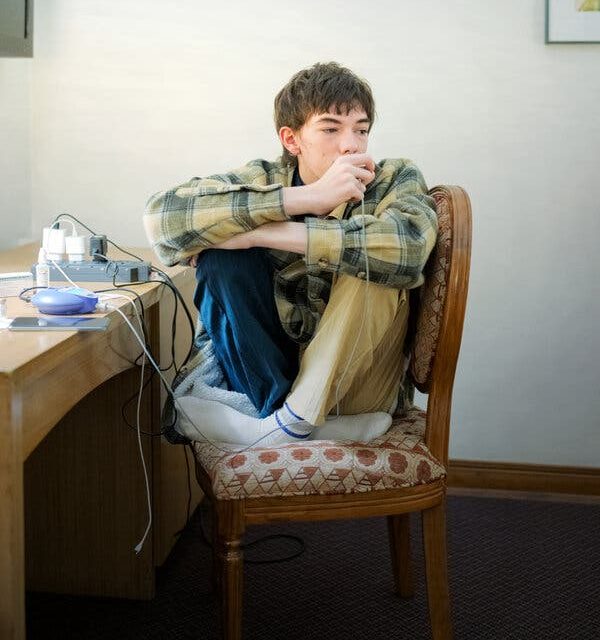
Josua Lottering stepped out into the dense air of Dhaka, Bangladesh, immediately succumbing to a fit of coughing. His cystic fibrosis severely limits his lung capacity, and the combination of humidity and pollution was challenging. Despite this, Josua felt a sense of achievement. He had traveled all the way from the Western Cape in South Africa to Bangladesh, together with his mother, to purchase a year-long supply of a game-changing cystic fibrosis medication, which has dramatically improved the lives of patients across North America and Europe.
The drug, Trikafta, has been manufactured by Vertex Pharmaceuticals, based in Boston. It enables individuals with cystic fibrosis to breathe more comfortably and extends their lifespan. In the United States, a year’s worth of Trikafta is priced at around $346,000. Vertex holds a monopoly over this and similar drugs, and the sale of Trikafta has generated $49 billion since its introduction in 2019.
However, Vertex has not made the medication available in numerous low-income nations and has actively resisted attempts to produce more affordable generic alternatives—a common strategy among pharmaceutical companies to maintain high pricing in affluent markets. Recently, a firm in Bangladesh has circumvented this by reverse engineering Trikafta. Utilizing a patent law loophole, they are marketing their version, named Triko, at a much-reduced cost compared to Vertex’s original.
Last week, Josua and his mother were among a handful of cystic fibrosis sufferers and their families who traveled to Dhaka. They were eager to secure the first batches of Triko being produced by Beximco Pharmaceuticals.