
The coastal waters around Cape Town, South Africa, were well-known for being home to numerous great white sharks. However, about a decade ago, these predators started vanishing mysteriously, leaving scientists and conservationists puzzled.
Renowned photographer Chris Fallows once witnessed between 250 to 300 great white sharks annually. He described the sight as unforgettable — sharks leaping majestically from the water. Reports from as recently as 2010 highlighted large numbers of tourists visiting for close encounters with these creatures.
But sightings declined significantly, and now it’s difficult to spot even a single great white shark. This drastic change sparked scientific inquiries. Marine biologist Alison Kock, from South African National Parks, analyzed smaller shark carcasses with peculiar incisions and concluded that the marks didn’t appear human-made. Further diving expeditions led Kock to discover orcas as the prime suspects.
Orcas, or killer whales, started being observed in the same territories. In 2015, Kock and her team confirmed orca activity through necropsy findings. Orcas targeted shark livers, which are rich in calories, sparking the belief that they were responsible for the shark decline. This predator-prey dynamic was unexpected in South African waters, despite being observed elsewhere like California and Australia.
Alison Kock: “They’re learning all the time. It’s hard to understand how smart these animals are.”
Whale-watching tour operator David Hurwitz was pivotal in identifying two unique orcas, named Port and Starboard, responsible for these shark attacks. These orcas, distinguished by their collapsed dorsal fins, hunted sharks solo, unlike typical pod behavior, and inspired awe rather than alarm.
A debate ensued among experts. While Kock affirmed the impact of orcas, others like Enrico Gennari were skeptical, pointing to human factors. Gennari and Fallows pinpointed commercial fishing practices as detrimental, reducing the smaller shark populations that great whites traditionally fed upon. The use of shark nets and hooks further endangered these predators.
There’s a pressing call for alternative conservation methods. Gennari advocates for non-lethal protection measures such as magnetic fields or updated net designs.
Chris Fallows: “If we don’t address controllable factors, there’s no hope for conservation.”
Historically, South Africa led in shark conservation, being the first to protect great whites in 1991. However, Gennari expressed concerns that those efforts haven’t succeeded and warned about the potential extinction of these iconic sharks from South African waters.
Despite mixed public sentiment towards great whites, they play a crucial role in oceanic ecosystems. Conservation success stories like humpback whales, which have rebounded due to protective efforts, demonstrate the potential effectiveness of conservation strategies.
By shifting focus to viable solutions, there’s hope for restoring balance in marine environments. Chris Fallows stresses the health of oceans directly impacts human welfare. As efforts to safeguard marine life continue globally, understanding human-related impacts and learning from successful initiatives remain key in conserving significant species.
 Fire Amoeba Discovery Challenges Limits of Complex Organisms
  Impact of Sleep Types on Disease Risk
  Ice Age Mastodon Tooth Unearthed in California Creek
 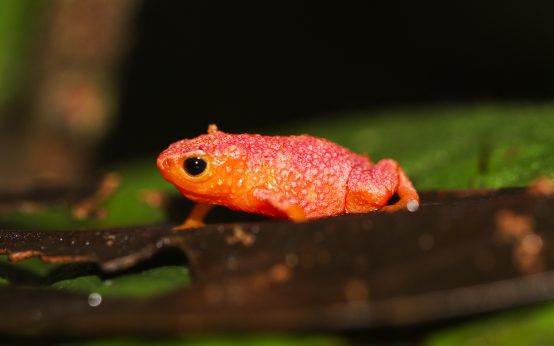 The Unique Challenges of the Pumpkin Toadlet
 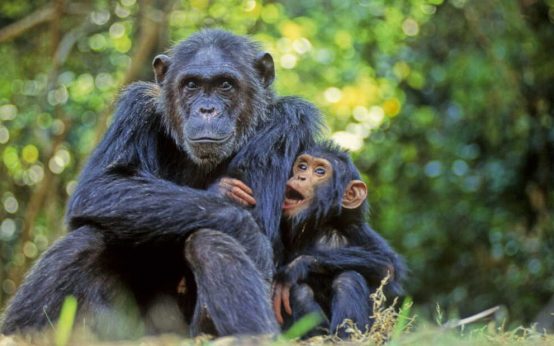 Animal Self-Medication Insights
  Carlo Rovelli’s Perspective on Physics and Ultimate Reality