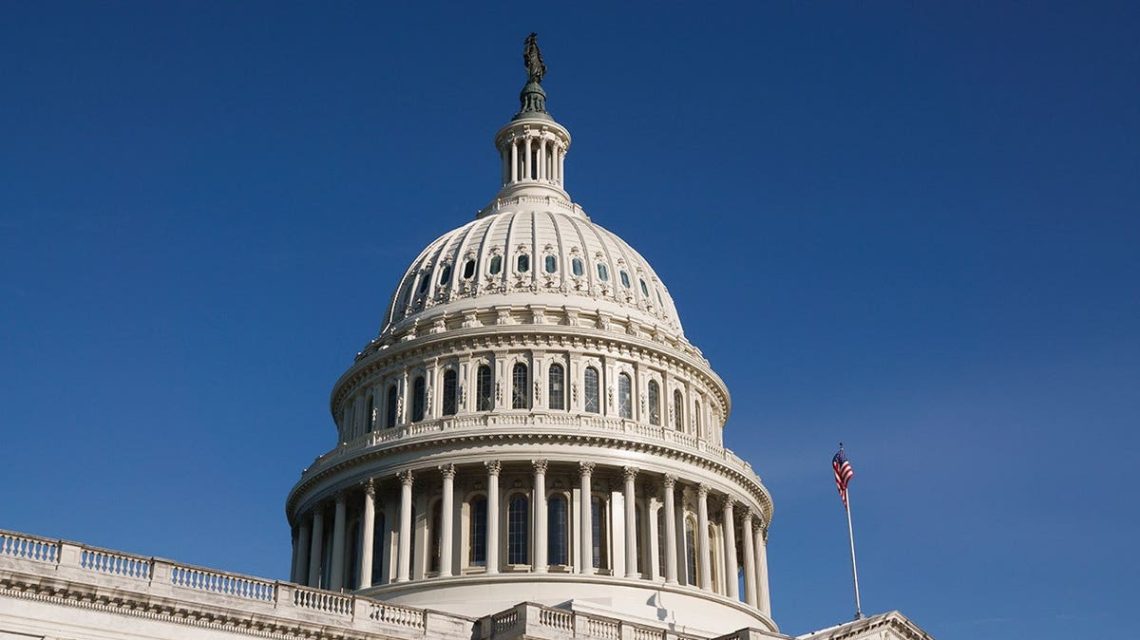
The Senate is gearing up to discuss a bipartisan bill that could reshape college sports. Legislators aim to establish national standards for Name, Image, and Likeness (NIL) compensation and address the issue of frequent athlete transfers.
Senators Ted Cruz, Maria Cantwell, Tammy Baldwin, and Cory Booker argue that federal intervention is needed as the NCAA struggles to manage the situation. The bipartisan proposal seeks to create a unified framework for NIL payments and limit athlete transfers to one within a five-year period, impacting college athletics significantly.
Senator Cruz emphasized the critical state of college sports, asserting that without quick action, the existing system might collapse. Senator Cantwell highlighted the need for stability and predictability, noting that smaller programs could struggle if larger schools outbid them for top players.
Former Alabama coach Nick Saban pointed out the current chaos caused by numerous players entering the transfer portal yearly, with little regulation of agents. The proposed legislation aims to address these concerns while safeguarding student-athletes from exploitative contracts.
However, not all lawmakers are on board. Senator Booker, a former college athlete, criticizes the NCAA’s past failures in protecting athletes. He argues against trusting them with implementing changes. Senator Tommy Tuberville, a former head coach, also opposes federal involvement, fearing it complicates college sports more than necessary.
Tuberville believes that allowing Congress to dictate athlete earnings sets a dangerous precedent, yet he acknowledges the urgency due to the volatile state of college sports.
As Congress debates the bill, concerns arise about how it might affect media rights and fan access to games. More streaming options could lead to viewing complications and increased costs for fans. Senators like Amy Klobuchar express these concerns, mentioning ongoing frustrations from constituents about accessing sports content.
The House of Representatives previously attempted to regulate college sports without success, with bills failing to gather the necessary votes. Now, the Senate faces a similar challenge with this new proposal. They must balance legislative priorities, including other pressing national issues.
Despite these challenges, the risk of a mega-conference or powerful individual programs like those in the SEC or Big Ten developing independent broadcast platforms continues to loom. The situation remains dire, with growing influences from betting scandals and media rights complicating matters further.
The Senate’s upcoming debate will determine the future path of college sports as they attempt to address these complex issues with unified legislation.
 Trump Criticizes Supreme Court in Missouri Redistricting Dispute
  Senator John Fetterman’s Humorous Gaffe at Texas Tribune Festival
  California Enacts New Industrial Regulations Following Fire
  Kentucky Governor Andy Beshear Defends Transgender Policies Amid Criticism
  Senator Fetterman Critiques Democratic Party’s Stance on Israel
  Trump Attends Presidents Cup Amid Divided Reactions