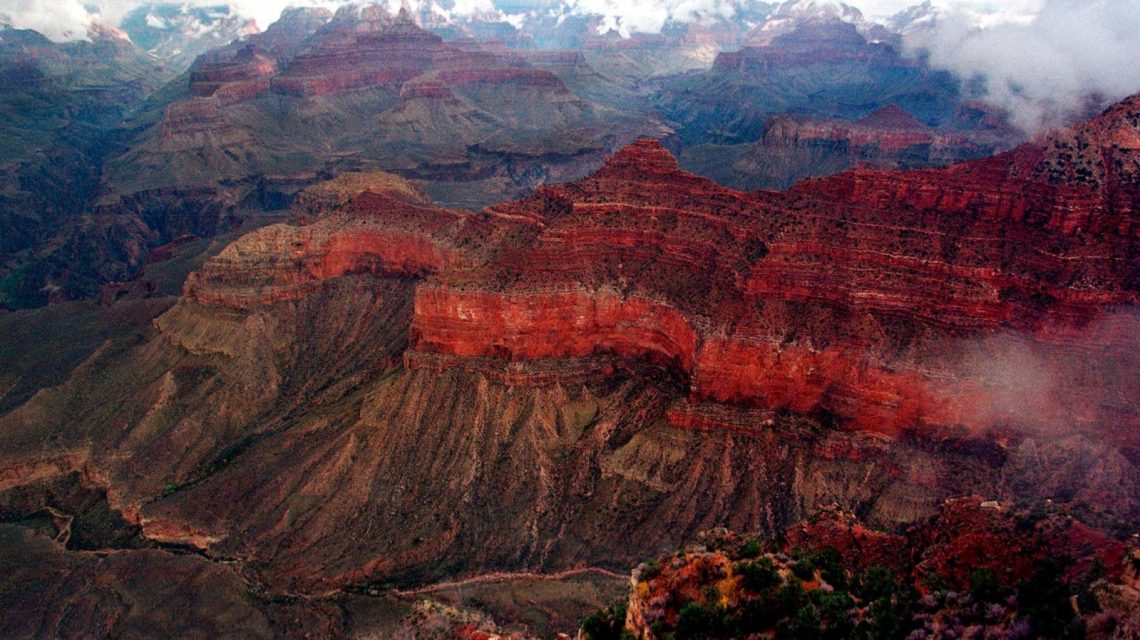
Grand Canyon National Park visitors are cautioned about extreme temperatures expected early next week. The National Weather Service (NWS) has issued an extreme heat watch for midday Monday through Tuesday, predicting temperatures exceeding 110 degrees Fahrenheit (43 degrees Celsius) in lower areas such as Phantom Ranch.
Reasons for Concern
This warning follows two tragic events on June 12 and June 16. Three hikers, including a 72-year-old man and two others aged 67 and 68, died due to heat-related illnesses. These recent fatalities are linked to a surge of heat-related incidents within the park’s inner canyon.
What You Need to Know
The National Park Service highlights the increased danger of hiking during midday when temperatures peak. Inner canyon temperatures can be 20 to 25 degrees hotter than those at the rim. Officials warn that such heat is more hazardous than visitors might anticipate.
The first victim became ill on June 12 while hiking the South Kaibab Trail and died before rescue teams could reach him. On June 16, a 67-year-old man and a 68-year-old woman were found dead on the North Kaibab Trail. These incidents reflect the difficulty and risks of hiking in extreme heat.
Despite rapid emergency responses, including aerial support, rescue personnel couldn’t save the hikers. Their bodies were taken to the Coconino County Medical Examiner’s Office, with investigations into the deaths ongoing.
The Heat Intensifies Within the Canyon
The extreme heat warning underscores the dangers visitors face during peak summer conditions. Inner canyon temperatures can exceed 109 degrees Fahrenheit, even in shaded spots. Visitors often underestimate the risks since the descent begins in cooler conditions. However, as they move deeper, temperatures rise significantly, complicating the ascent.
Justin Johndrow, a meteorologist from the National Weather Service in Flagstaff, Arizona, commented on the region nearing its hottest period before cooler monsoon conditions appear later. Authorities advise against hiking between 10 a.m. and 4 p.m., urging visitors to carry sufficient water and plan their trips carefully.
This warning coincides with the western United States experiencing above-average temperatures, increasing wildfire risks due to prolonged dry conditions, high temperatures, and low humidity.
Grand Canyon National Park, attracting millions annually, warns that extreme heat can rapidly become life-threatening, even for seasoned hikers, during such conditions.
Recognizing Heat Exhaustion and Heat Stroke
Understanding heat-related illnesses is crucial for safety. Heat exhaustion and heat stroke are severe conditions that require immediate attention.
This article contains reporting from the Associated Press.
 Challenges Loom Over Colorado River’s Water Levels
  Trump’s Executive Order Targets Mosquito and Tick Control
  Suncor v. Boulder: Understanding the Supreme Court Case and Its Implications
  Hawaii Faces Challenges from Record-setting El Niño and Hurricanes
  Efforts to Restrict Voter Registration Funding Trigger Concerns for Nonprofits
  News Outlets Fight White House Ban in Federal Court