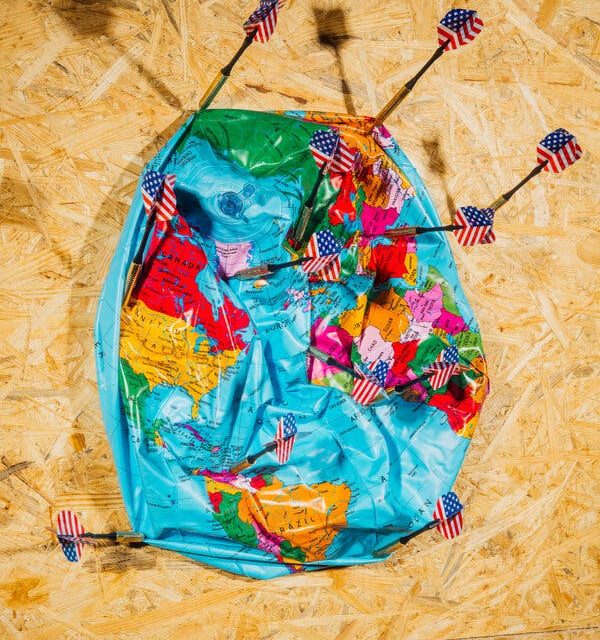
As the war in Iran seems to be nearing a fragile conclusion, many Americans ponder why it has achieved so little.
A middle power like Iran, facing geopolitical isolation and economic distress due to years of sanctions and widespread protests, has managed to resist a global superpower that invested $29 billion, ending up in a weaker position.
The U.S. Strategy
The United States, with President Trump and Israel as its only allies, believed its military superiority would easily subdue Iran. The administration did not seek United Nations Security Council approval per the United Nations Charter, rendering the war illegal and alienating traditional allies. Regional consultations were bypassed, exposing those partners to direct threats.
President Trump misjudged the situation; dropping bombs was not enough. Iran retaliated by illegally threatening the Strait of Hormuz and launching drones and missiles against neighbors. Attempts to gain broader support came too late, as even NATO allies resisted joining an illegal campaign that also harmed their economies.
Global Reactions
Long-time U.S. allies distanced themselves from the conflict. Nations including Spain, France, Italy, Switzerland, and Britain restricted U.S. military use of airspace and bases. Spain denied airspace and base access related to the Iran conflict. France refused overflight permissions for planes carrying military supplies to Israel. Italy and Switzerland imposed similar restrictions.
Although Britain debated assistance, it ultimately agreed to support only defensive operations. Prime Minister Keir Starmer stated, “We are not getting involved in offensive action that the United States and Israel are taking.”
Lessons and Implications
The war in Iran illustrates a crucial lesson: A powerful nation loses its impact when acting unilaterally. This is fundamental to understanding President Trump’s global strategy issues. America became great not solely through unilateral actions, but by establishing international institutions reflecting its values and interests which attracted others to join.
The United Nations exemplifies this. During World War II, the State Department drafted the initial Charter under Secretary of State Sumner Welles. The intent was to maintain peace to prevent future global conflicts. The Charter prohibited territorial expansion and the use of force. However, recent wars by the Trump administration, including those in Iran, Venezuela, and the Caribbean, violate the Charter drafted by the United States.
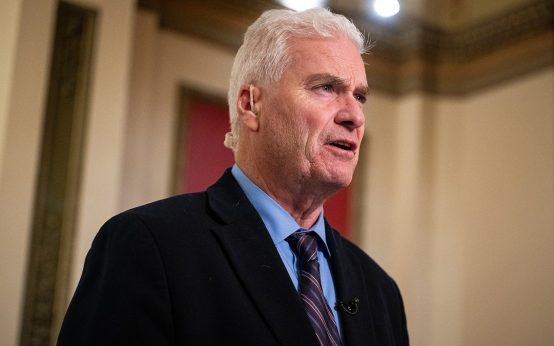 Political Strategies for the Upcoming Midterm Elections
  Trump Considers Diesel Export Ban Amid Rising Fuel Prices
 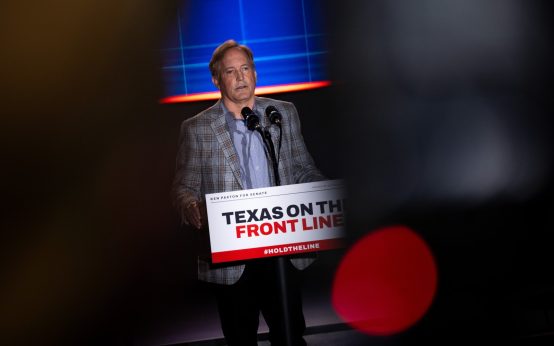 Texas Senate Race: Talarico Takes Lead in Youth Vote
 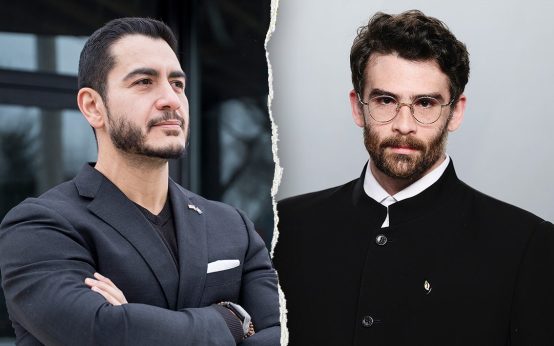 Criticism Arises Over Michigan Senate Nominee’s Association with Streamer
  Homeland Security Takes Action Against Voter Fraud
  Iowa Senate Election: Turek Leads in Polls Amid Economic Concerns