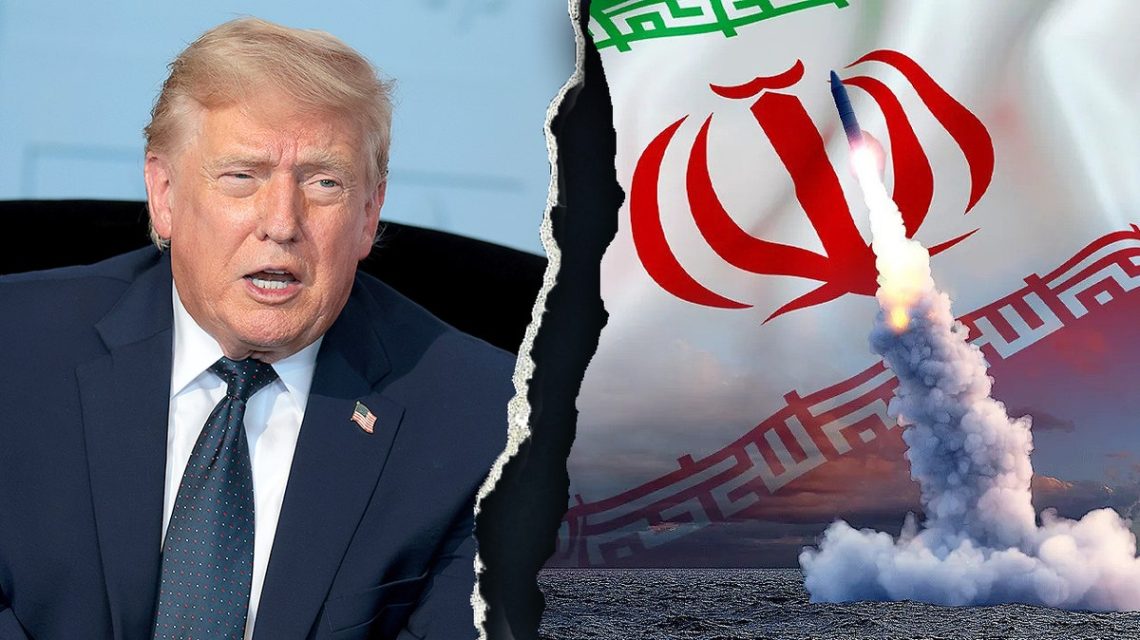
Rep. Rich McCormick, a Republican from Georgia, recently expressed his apprehension regarding the ongoing Iran nuclear negotiations. He stated his strong distrust for the Iranian government, aligning with President Trump’s stance by calling the agreement an ‘unconditional surrender’. His concerns center on the possibility that unfrozen assets could bolster Iran’s military capabilities. McCormick emphasized Iran’s history of hostility and advocated for a change in its regime.
President Trump’s new Iran framework has attracted caution from nuclear experts who argue it may allow Tehran too much leeway concerning its uranium stockpile. They insist inspectors must first accurately locate, secure, and verify the material. The structure of the agreement, as outlined in the U.S.-Iran memorandum of understanding (MOU), specifies minimum standards for dealing with enriched uranium, such as ‘downblending’, under International Atomic Energy Agency (IAEA) supervision. Despite not explicitly stating that Iran will maintain a civilian nuclear program, the MOU indicates discussions will ensue regarding enrichment related to Iran’s nuclear needs.
Unfettered verification is everything,” Chuck DeVore, Chief National Initiatives Officer at the Texas Public Policy Foundation, stated, emphasizing that in-person inspections are irreplaceable.
Concerns persist as the MOU has been signed, yet succeeding discussions aimed at beginning technical negotiations in Switzerland were delayed, leaving significant nuclear details incomplete. As the agreement enters a critical 60-day period for negotiating a final deal, experts underline that meaningful IAEA supervision requires comprehensive access to Iran’s enriched uranium stockpile.
A recent IAEA report highlighted limited visibility into Iran’s declared nuclear program following last year’s strikes. Apart from one inspection, the report noted the agency has not received relevant information from Iran nor gained access to sites for direct verification.
A senior U.S. administration official noted that the MOU obligates Iran to affirm it will not acquire or develop nuclear weapons, marking a critical initial step under Iran’s new Supreme Leader. The official added that productive discussions have occurred on several fronts, forming the foundation for quick progress now that the MOU is established.
Vice President JD Vance articulated that the success of the deal relies on Iran’s commitment to its promises. These promises include stopping the enrichment process and permitting inspectors to eliminate highly enriched uranium.
Andrea Stricker, deputy director of the Foundation for Defense of Democracies’ Nonproliferation Program, emphasized the necessity of recovering and protecting Iran’s enriched uranium stockpile. Without a comprehensive dismantling and destruction of Iran’s nuclear capabilities, the pledges could prove meaningless. She noted the potential for the stockpile to provide enough weapons-grade material for multiple nuclear weapons, if further enriched.
Chuck DeVore noted different factors influencing Iran’s weapons capacity and stressed that on-site downblending, subject to verification, would prevent further enrichment of Iran’s enriched uranium. He suggested Iran lacks the facilities for processing weapons-grade uranium due to last year’s strikes.
DeVore, referencing his experience working on Cold War-era nuclear agreements, advocated for avoiding flaws in past deals like the JCPOA. The key factor for any agreement is unrestricted on-site verification, as limitations could undermine its effectiveness.
 Public Confidence in the Supreme Court at Record Lows
  Federal Authorities Arrest California Lawmaker’s Aide for Visa Overstay
 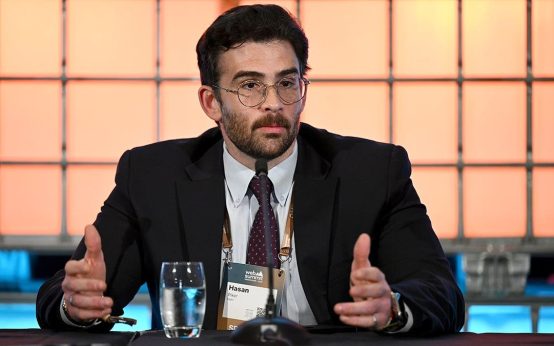 Hasan Piker Addresses Controversial Comments and Political Involvement
 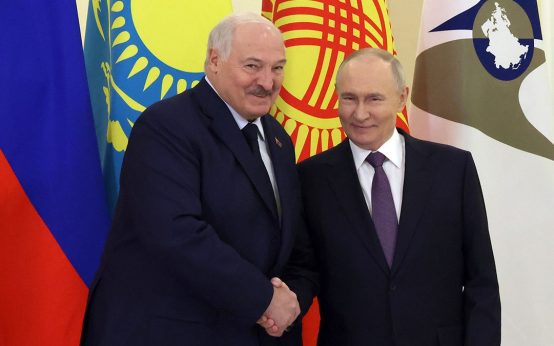 Lukashenko and Putin Share Light Moments While Strengthening Ties
 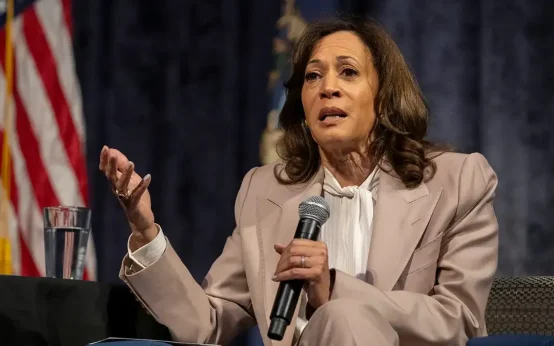 Kamala Harris on Possible 2028 Run Highlights Midterm Importance
  Lawmakers Urge End to U.S. Military’s Drug Boat Strike Campaign