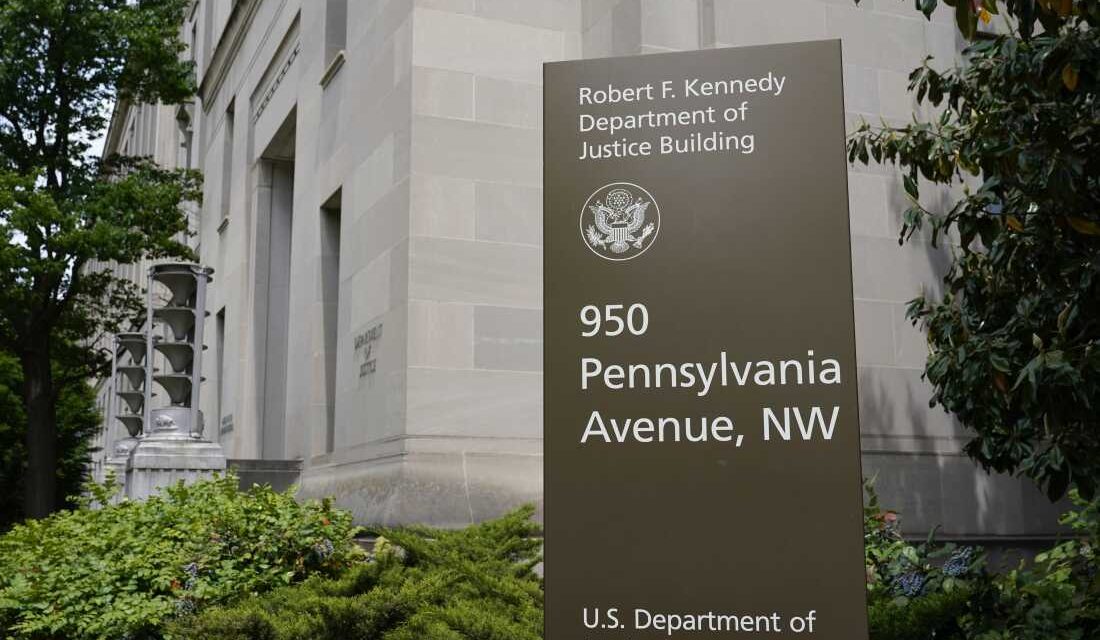
The Robert F. Kennedy Department of Justice building in Washington D.C. is where critical legal decisions impacting Americans are made. Recently, the Justice Department released a memo that has stirred concern among disability advocates and families. This memo questions long-standing civil rights protections for Americans with disabilities.
An opinion from the Office of Legal Counsel suggests that states may not be required to provide in-home or community-based care to disabled individuals. These services are vital for many, allowing them to live, work, and be part of their communities.
Alison Barkoff, a law and policy professor at George Washington University, emphasizes the gravity of this change. She states that the government appears to be indicating that people with disabilities do not have a guaranteed right to participate in their communities, a significant shift from prior understanding.
There is concern that without federal mandates, states may reduce these services, potentially leading to a return of practices that segregate disabled individuals into nursing homes or other institutions. The American Association of People with Disabilities warned of the possibility of reverting to a past era of institutionalization, isolating people with disabilities.
The memo does not alter the law, but its interpretation contradicts the common understanding of disability rights related legislations like Section 504 of the Rehabilitation Act and Title II of the Americans with Disabilities Act. The Olmstead v. L.C. case in 1999 established that states must provide community-integrated services to individuals with disabilities. The new memo challenges this established interpretation.
Lanora Pettit, deputy assistant attorney general, argues that federal law does not impose an ‘integration mandate’ requiring states to offer these services. Pettit’s interpretation contends that Olmstead’s decision does not dictate how states should justify institutionalization.
Barkoff emphasizes the long-standing U.S. position since 1977 that federal law mandates integration, ensuring services are provided in the most appropriate settings. She points out decades of enforcement by various administrations against states overly relying on segregated settings. Institutionalization limits personal freedom and choices for those affected.
The arrival of this memo coincides with the Texas v. Kennedy case. The memo aligns with the plaintiffs in the lawsuit, challenging the integration mandate. The Justice Department’s new stance might impact federal enforcement of disability rights.
This move appears to relate to an executive order by President Trump, issued in July 2025, aiming to make policing homelessness easier. The administration advocated for involuntary institutionalization as a means to restore public order.
The Cicero Institute has been supportive of efforts to institutionalize the homeless. However, existing federal laws requiring community services pose obstacles to large-scale institutionalization. Barkoff argues the Olmstead decision aids in providing housing and services to the homeless.
The Justice Department memo arrives amidst political changes, including cuts to Medicaid funding, which provides crucial support for disabled Americans. Legal experts note that states may cut services funded by Medicaid channeling efforts toward institutional care, though it is more expensive.
Further changes proposed by the Trump administration involve shifting federal management of special education programs, inciting fears among disabilities advocates about rollback of protections.
 Investigation Initiated Following Gage Park Woman’s Death Due to Apparent Domestic Battery
  Supreme Court to Review Home Spirit Distilling Ban
  Advocating for Clean Slate Act to Remove Employment Barriers
  No Stopping the Canal Street Counterfeit Market
  NYC Mayor Calls for End to ICE Enforcement After Shooting
  California Couple Accused of Surrogate Abuse and Surveillance