
In the early 1990s, the Gila monster, a desert lizard, caught the attention of a physician-scientist named John Eng. These lizards can survive for months without food while maintaining stable blood sugar levels. At a Veterans Affairs hospital, Dr. Eng and a colleague investigated the lizard’s venom. They found a molecule that mimicked a human gut hormone but had a longer-lasting effect.
This molecule’s synthetic version eventually became the first of the GLP-1 drugs. Known widely today through names like Ozempic and Wegovy, these drugs are changing diabetes and obesity treatment approaches. There are also encouraging results in treating heart disease and other conditions. The potential is vast, with the ability to save tens of thousands of lives annually. Remarkably, Dr. Eng’s pivotal discovery required minimal financial resources.
However, the support system vital for transforming such discoveries into medical breakthroughs is under threat. In 2025, the Trump administration imposed a freeze on billions in research grants. Courts later mandated that much of this frozen funding be released, and proposed funding cuts were rejected by Congress. Yet, the administration retains substantial control over financial decisions. In the past 18 months, funding allocations for research grants have decreased nearly each month.
As Congress deliberates the budget for the coming year, there is pressure for even deeper cuts. A rule proposed last month mandates that federal grants align with the president’s policy goals and be granted only if approved by political appointees. If implemented, this could result in further reductions in grant awards.
The consequence is fewer opportunities for aspiring scientists. Last year, major research institutions reduced fall admissions, impacting students who would have formed the next wave of scientists. Rachael Sirianni, a cancer researcher, highlighted on NPR the hurdles in securing funding for a promising childhood brain tumor drug combination.
Without support, unique scientific questions may remain unexplored. Such inquiries advance medical knowledge.
The discovery processes that gave us technologies like rapamycin and CRISPR are examples of innovation birthed from exploring unconventional questions. In a recent case, CRISPR technology corrected a genetic disorder in a newborn, offering him a chance at life.
 President Trump Warns of Escalating War with Iran at UN Assembly
  Tariffs and Their Impact on Everyday Products
 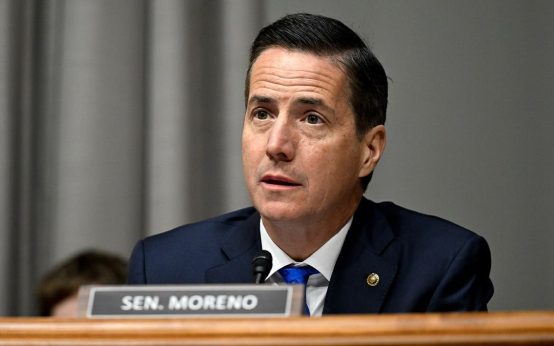 Senator Criticizes Drug Policy After Ohio Tragedy
  Israeli Leader’s Upcoming U.N. Assembly Speech Marked by Controversy
  Readers’ Views on Social Security Reform and Education
  Republicans Call for Quick Resolution to Iran Conflict