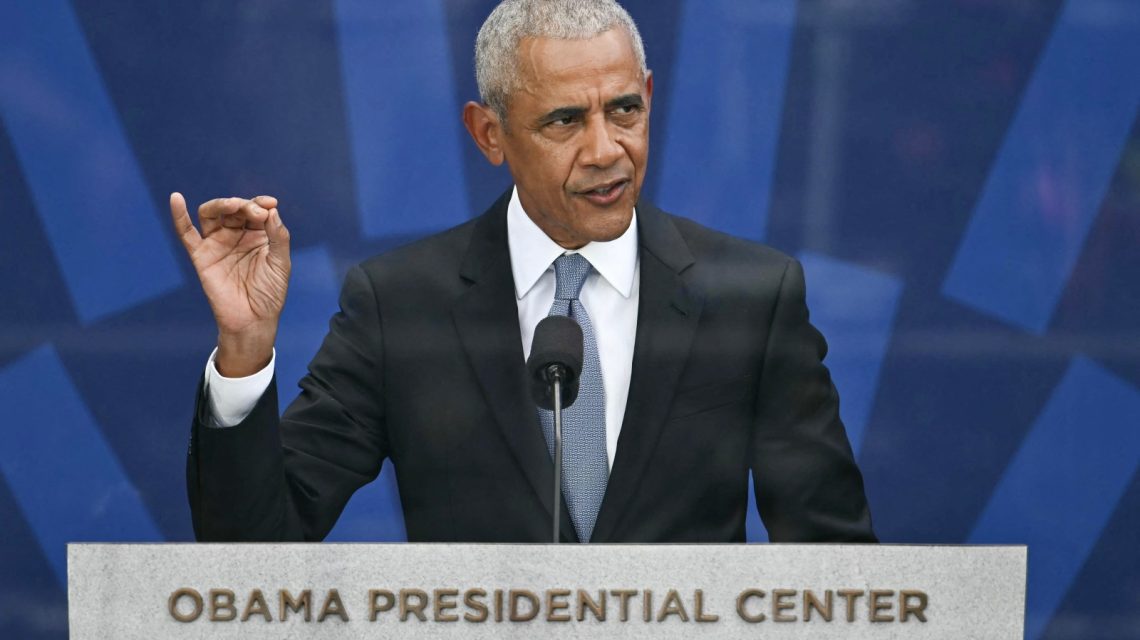
Former President Barack Obama expressed satisfaction at President Donald Trump’s success in achieving a ceasefire with Iran. During an interview with NBC’s Today program, Obama highlighted the ceasefire as a positive development but questioned the value of the war that preceded it. He noted concerns about whether the military conflict justified its cost, signaling unease about America’s current standing despite months of military engagements.
Obama urged caution, emphasizing that the United States might be in a weaker position post-conflict. He reflected on the resources expended and the strain these efforts have put on the military. As Trump aims to leverage the ceasefire to enter broader negotiations with Tehran, Obama’s careful evaluation suggests a critical view of the war’s necessity and results.
Ceasefire: Symbol of Hope and Debate
Obama’s remarks mark his most comprehensive comments on the conflict since tensions escalated between the United States, Israel, and Iran. The conversation around whether the conflict was warranted and if the results differing from diplomatic measures taken during Obama’s presidency adds layers to the discussion.
Obama commended the ceasefire as a step forward but contemplated whether the United States is in a stronger position now than before initiating war efforts. The conflict has sparked ongoing debates among policymakers and analysts regarding the clarity of victory.
The Conflict’s Worth Questioned
The former president noted billions spent on a war effort that might leave the nation’s position markedly unaltered, or possibly even weaker. His comments followed debates among experts evaluating the outcome of the conflict and its implications for America’s strategic standing.
Trump, however, hailed the war efforts as successful. On Friday, he highlighted the degradation of Iran’s military capabilities as a triumph.
Military and Strategic Analysis
Experts remain divided over the strategic outcomes. Some argue Iran faced significant military setbacks, most notably diminished military assets. James Stavridis, a retired U.S. Navy admiral, points out the lack of visible significant results for the United States despite victories.
Conversely, observers like Mark Cancian from the Center for Strategic and International Studies suggest the U.S. and its allies are in a stronger position with extensive strikes on Iran, arguing Tehran’s concession to return to negotiations exemplifies political success.
Spotlight on Iran Nuclear Deal
Obama’s insights also revive focus on the 2015 Iran nuclear agreement, the Joint Comprehensive Plan of Action (JCPOA). His administration helped negotiate this accord, which imposed restrictions on Iran’s nuclear activities in exchange for sanctions relief. After Trump’s withdrawal from the agreement in 2018, Iran expanded its nuclear program.
Obama stressed that the issues under current negotiation were addressed within the JCPOA framework. He questioned the likelihood of achieving more favorable terms than those in the original agreement.
Republican Response
Republicans show mixed reactions towards Trump’s strategy. Figures like Senator Bill Cassidy criticize the strategy as flawed, worrying about its impact on long-term nuclear constraint. Meanwhile, Senator Lindsey Graham voiced support, urging continued diplomatic efforts.
The ceasefire holds, but concerns remain about the future of Iran’s nuclear program, sanctions relief, and sustainable peace. The dynamic geopolitical scenario poses challenges and defines ongoing diplomatic efforts.
 US Embassies Warn Americans After Houthi Missile Attack
 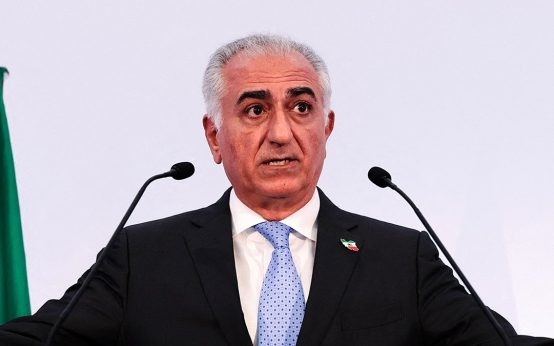 Understanding Iran’s Political Landscape Amid Ongoing Conflict
 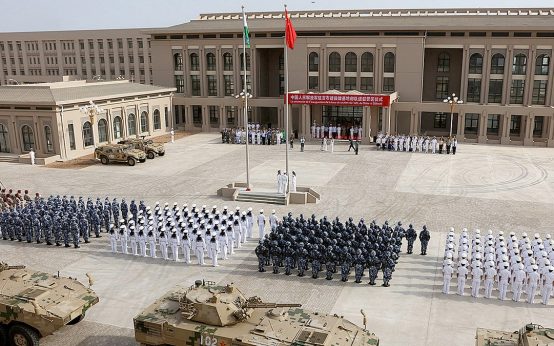 China’s Surveillance Expansion in Djibouti Sparks Concerns
  Trump’s Strategy to Lower Prescription Drug Prices
 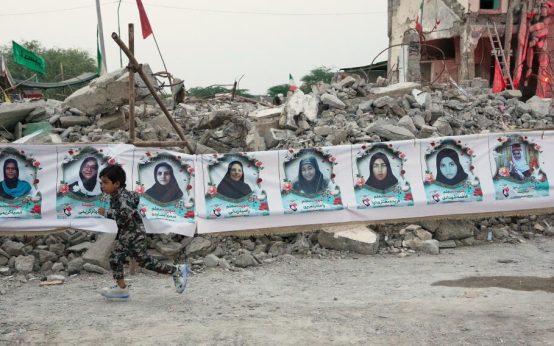 Pentagon Investigation Reveals U.S. Responsibility in Deadly Iranian School Strike
  Ten Lions Found Dead in Suspected Poisoning at Ngorongoro Conservation Area