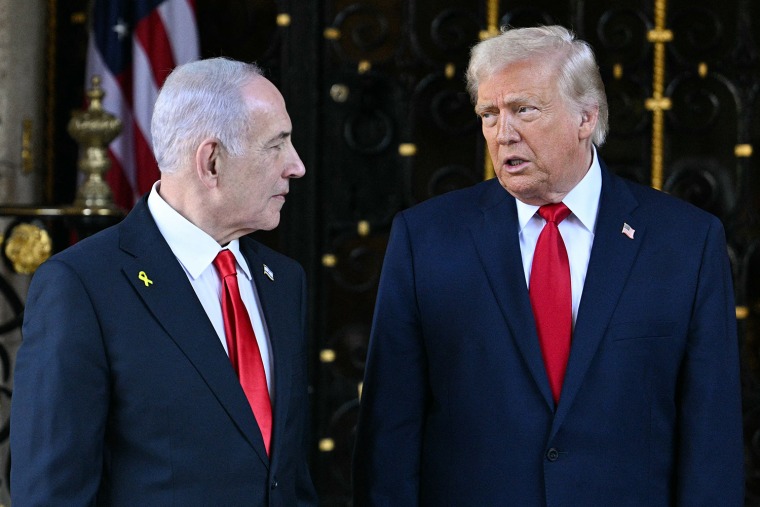
June 17, 2026. TEL AVIV, Israel. Recent developments highlight increasing strain in the relationship between the United States and Israel. An Israeli government official revealed to NBC News that the Israeli government had not received a memorandum of understanding (MOU) aimed at ending the conflict with Iran. This revelation contests President Donald Trump’s earlier statement that Israel had been given a copy of the document.
Prime Minister Benjamin Netanyahu, facing decisive elections by October’s end, finds himself hindered by Israel’s exclusion from these negotiations. The deal framework, disclosed by a senior U.S. official, suggests a substantial rift in U.S.-Israeli diplomacy.
Trump’s frustration with Netanyahu has intensified, particularly due to Israeli actions in Lebanon. Despite Trump’s earlier support, he recently criticized Netanyahu’s strategy against Iran-backed Hezbollah. Trump’s remarks at the G7 summit emphasized the humanitarian toll, saying, “Too many people have been killed.” He cautioned against indiscriminate violence, suggesting more measured actions.
Netanyahu remains silent on Trump’s direct criticisms. Simultaneously, Israeli public opinion and political rivals scrutinize his leadership. With a U.S.-Iran draft agreement imminent, domestic pressures mount. A survey conducted by the Israeli Democracy Institute indicates 57.5% of Israelis doubt the proposed framework aligns with national security interests.
Netanyahu’s political adversaries, including former Prime Minister Ehud Barak, indict his leadership. Barak accuses Netanyahu of impairing Israel’s standing, calling Iran’s strengthening a “strategic responsibility” of Netanyahu. Yair Lapid, a forthcoming electoral opponent, critiques the framework as a major foreign policy failure.
In public defenses, Netanyahu justifies the conflict as a necessary measure against Iran. He emphasizes thwarting an existential threat, though admits not reviewing the draft agreement. “We saved the state of Israel from annihilation,” he states, reiterating the Iranian nuclear risk.
While tensions with Trump appear obvious, Netanyahu minimizes personal disagreements. “There are also cases in which we see less eye to eye,” he suggests. Addressing critiques, Netanyahu reaffirms his dedication to Israel’s security.
Future Israeli participation in negotiations remains uncertain, especially with talks scheduled in Geneva. Iran’s Foreign Minister, Abbas Aragchi, contends that Israeli operations in Lebanon violate the MOU. Although northern Israel has been relatively calm following Trump’s announcement, confrontations persist in southern Lebanon with Hezbollah.
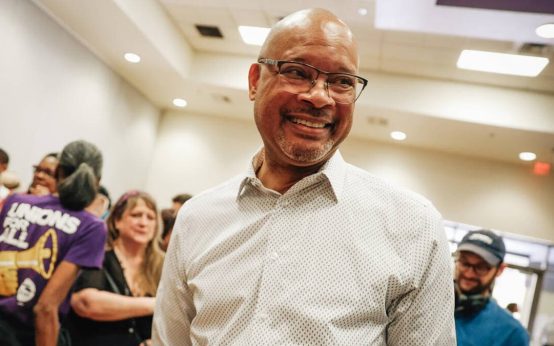 Nevada Attorney General Faces Questions Over Clemency Bid
  Concerns Raised Over Canadian Assisted-Dying Program
 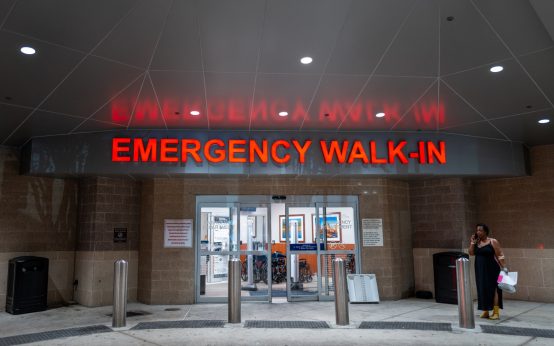 Trump Administration’s Crackdown on ACA Coverage
 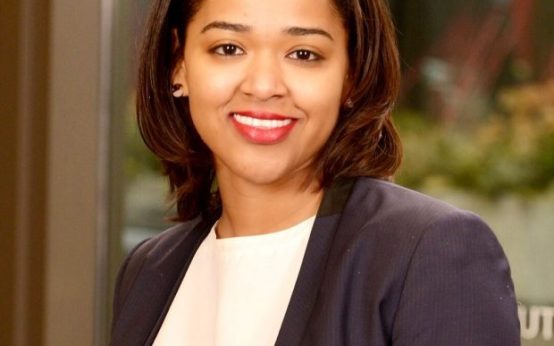 Shakeup in Mayor Johnson’s Administration with Key Retirements and Appointments
 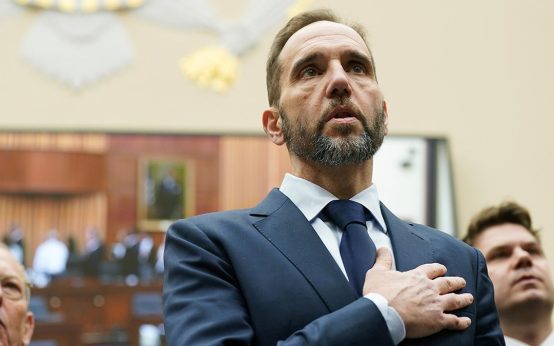 House Republicans Challenge DOJ Over Smith Investigation
 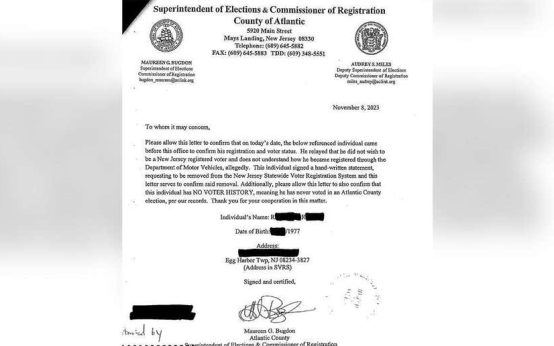 RNC Sues New Jersey Over Voter Roll Transparency