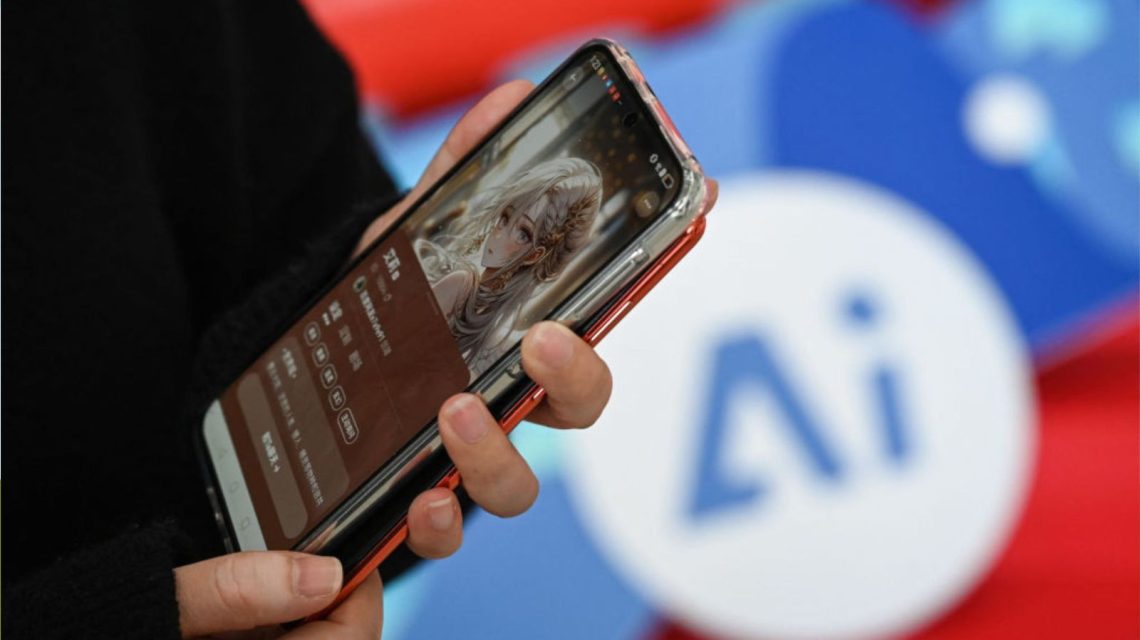
Artificial intelligence is reshaping the dating landscape in the U.S., with therapists voicing concerns about its effects on human connection and intimacy. AI companions, often called ‘AI girlfriends’ or ‘AI partners’, offer a form of connection that removes many emotional risks inherent in real relationships.
A study by Vantage Point Counseling reveals that 28.16% of U.S. adults report having had at least one intimate or romantic relationship with an AI, with over half engaging in some form of relationship with an AI system. For the younger generation, this trend poses significant concerns, according to therapists.
AI partners provide a fantasy or narrative of reality that isn’t grounded in healthy interpersonal connections, says Alexandra Cromer, licensed professional counselor with Thriveworks.
Why It Matters
AI romance may signal a shift in how people experience connection and their expectations from relationships. AI companions are designed to be responsive and emotionally available, which can feel satisfying in the short term. Therapists warn this may distort expectations of real partners, who have their own needs and boundaries.
What to Know
The appeal of AI partners is the illusion of connection without human unpredictability. According to Dr. Michael Salas from Vantage Point Counseling, AI partners give people a sense of connection without the fear of rejection.
AI interactions promise immediate responses, consistent validation, and attention, offering a unique control over personality and tone. These relationships minimize risks of rejection or conflict, unlike human relationships.
The one-sided nature of AI relationships doesn’t require anything from the user, says Cromer. This sets unrealistic standards.
A Shift in Dating Expectations
AI partners might feel easier but can complicate real-life connections. Salas notes that dating in the real world can become difficult when compared to customizable AI interactions.
Human relationships involve mismatched expectations and emotional discomfort. These experiences are essential for building relational skills. Exposure to frictionless relationships might reshape younger users’ approach to intimacy.
Comparing real partners to systems designed for perfect responses can make real intimacy appear flawed, says Salas.
Not Just a Single-Person Trend
AI romance is not limited to those who are lonely. The Vantage Point study shows that people in committed relationships also explore AI intimacy. In the study, up to 53.34% of those in AI relationships were also in successful committed relationships with humans.
This raises questions for couples about maintaining emotional or sexual intimacy transparency.
Teens and AI Relationships
The shift is significant among younger generations. Another Vantage Point poll shows 72% of U.S. teens have used an AI companion, with one in three using them for social interaction, emotional support, or romantic conversations.
Therapists argue that while AI can provide comfort, it may limit opportunities to develop real-world social skills.
AI can become a substitute for human connection, impacting social skills development, says Cromer.
As AI companions advance, the concern isn’t whether people can bond with technology, but whether human relationships can compete with a system that never argues, rejects, or demands understanding.
This might increase self-criticism and drive beauty and emotional standards to unrealistic extremes, Cromer warns.
What Happens Next
AI companion platforms continue to grow, engaging millions of users in friendship and romance. Driscoll points out that a society outsourcing connection becomes harder to engage and retain, and potentially lonelier than metrics show.
 Parallels Between ‘Threads’ and AI Fears
  AI as a Modern Charismatic Entity
  Concerns Rise Over AI Agents Targeting Websites for Information
  Reducing Ultra-Processed Foods Can Enhance Mental Health
  FAA Investigates Software Glitch in Boeing 737 Max Jets
  Protecting Your Finances from Cyber Threats